

Safeguarding the Digital Storefront: Unmasking Silent Breaches and Building Next-Generation E-Commerce Security

By Christopher Jones, Solutions Architect at Woo
Executive Overview
In the modern digital economy, cybersecurity breaches rarely announce themselves with dramatic, cinematic page crashes or sudden ransom demands blaring across a hijacked browser window. As high-profile security incidents—such as the recent customer account breach suffered by retail giant The North Face—demonstrate, contemporary cyberattacks are designed to operate in the shadows. Threat actors routinely bypass perimeter defenses by leveraging stolen credentials, quietly infiltrating customer accounts, and executing automated card-testing schemes that masquerade as everyday background noise.
For e-commerce merchants operating on platforms like WooCommerce, this evolution in threat methodology presents a profound operational challenge. When an attack unfolds incrementally—a slight bump in failed payment transactions here, a cluster of unusual customer service tickets there, and zero downtime registered on operational dashboards—fragmented internal teams often fail to connect the dots. Support teams monitor tickets, operations staff track fulfillment, and external agencies watch server uptime. Most organizations lack a unified vantage point capable of synthesizing these disparate signals into a coherent picture of an active security incident.

This investigative report examines the anatomy of silent e-commerce breaches, evaluates the structural blind spots that leave mid-sized and enterprise online stores vulnerable, and outlines an authoritative roadmap for establishing baseline operational metrics. Furthermore, we explore advanced monitoring integrations—ranging from real-time activity logging and dedicated anti-fraud shields to enterprise application monitoring tools—designed to detect anomalies before minor irregularities escalate into catastrophic enterprise failures.
Detailed Chronology: How Modern Breaches Unfold in the Shadows
To understand how modern threat actors compromise e-commerce ecosystems, security analysts must abandon the outdated paradigm of the blunt-force cyberattack. Today’s breaches follow a calculated, multi-stage lifecycle engineered to evade detection by legacy security tools.
Phase 1: Reconnaissance and Credential Stuffing
Long before any unauthorized transaction takes place, bad actors harvest vast databases of compromised username and password combinations from third-party data breaches. Using automated botnets, attackers execute high-speed credential-stuffing campaigns against online storefront login portals. Because these requests mimic legitimate user behavior—utilizing distributed IP addresses and valid user-agent strings—they frequently evade standard Web Application Firewall (WAF) rate-limiting rules.
Phase 2: Micro-Exploitation and Card Testing
Once inside a compromised customer account or operating via compromised API endpoints, malicious actors pivot to monetization. This frequently manifests as card-testing rings: automated scripts that submit small-dollar transactions across the storefront to verify the validity of stolen credit card numbers.
To individual departments, these actions appear innocuous:
- The Finance/Operations Team notes a slight, isolated uptick in payment gateway authorization failures.
- The Customer Support Desk receives a trickle of confused inquiries regarding password resets or unfamiliar account activity.
- The Hosting Agency reports uninterrupted server availability and stable CPU utilization metrics.
Because these indicators remain siloed, the attack registers as statistical variance rather than a coordinated cyber assault.
Phase 3: Lateral Movement and Privilege Escalation
If left unchecked, attackers leverage unauthorized access to probe for deeper system vulnerabilities. This may include targeting outdated plugins, misconfigured administrative user roles, or insecure API endpoints. By establishing persistence within the WordPress or WooCommerce dashboard, malicious actors can inject malicious scripts, skim payment details at checkout, or export customer databases for future exploitation.
Supporting Context & Metrics: Establishing Storefront Baselines
The single most effective defense against silent breaches is an intimate, data-driven understanding of "normal" store operations. Without a baseline metric, identifying anomalies is a matter of pure guesswork. Merchants must systematically audit and document key performance indicators (KPIs) to recognize when standard operations deviate into hostile territory.
Critical Operational Baselines to Document
- Average Daily Order Volume: Track peak and off-peak transaction numbers to identify sudden, unexplained surges or drop-offs.
- Typical Refund and Chargeback Rates: Establish a historical percentage threshold for returned goods and disputed transactions.
- Failed Payment Frequency: Monitor the baseline ratio of declined credit card authorizations to successful checkouts. Sudden spikes often indicate automated fraud testing.
- Average Order Value (AOV): Unusually high or exceptionally low average order values can signal bot-driven manipulation or inventory exploitation.
- Admin User Accounts and Active Plugins: Maintain a cryptographically verified inventory of every administrative-level user and installed extension on the site. Unvouched plugins or ghost admin accounts are prime indicators of compromise.
Interrogating the Dashboard: What the Data Reveals
Even within standard content management system (CMS) dashboards, vital forensic clues present themselves to the trained eye. Store administrators must regularly examine the following areas:
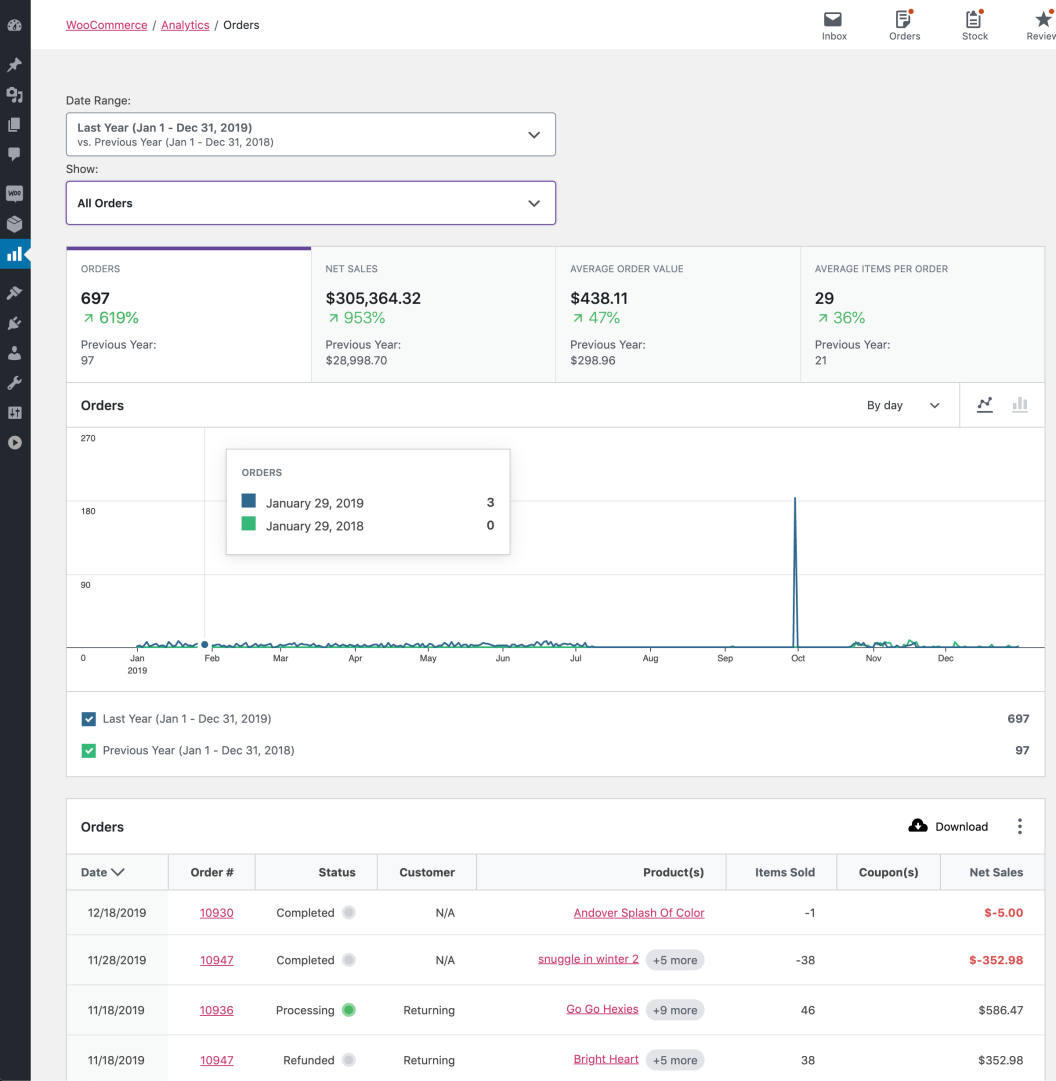
- WooCommerce Analytics Orders Report: By navigating to Analytics → Orders, store managers can review chronological sales data, identifying abnormal transaction frequencies originating from specific geographic regions or customer segments.
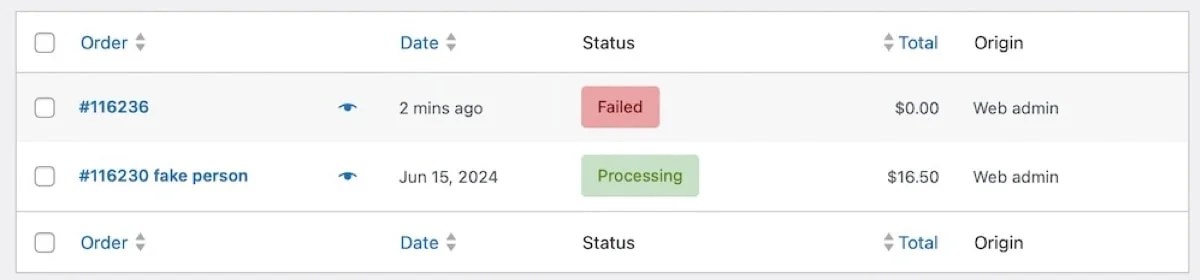
- Order History Logs: Scrutinize orders marked as "Failed" or "Pending Payment." A sudden accumulation of failed orders utilizing varying billing addresses with identical shipping destinations is a hallmark of automated fraud.
- User Role Management: Regularly audit the Users section of the WordPress dashboard. Look for newly created administrator accounts, unauthorized password changes for existing staff, or elevation of customer accounts to editorial or administrative privileges.
Official Industry Insights & Expert Perspectives
Industry leaders and technical architects emphasize that technical countermeasures must be coupled with cultural and architectural vigilance. Christopher Jones, Solutions Architect at Woo, notes that security must be approached holistically rather than as an isolated plugin installation.
"Support watches tickets, ops watches orders, your agency watches uptime. A card-testing run looks like background noise in each of those views—a few odd tickets, a bump in failed payments, nothing on the uptime chart—and only looks like an attack when someone sees all three at once. Most teams have no one positioned to see all three at once."
According to security analysts, relying solely on payment gateway fraud protections is no longer sufficient. While platforms like WooPayments and Stripe feature built-in machine learning models to catch unauthorized charges, sophisticated attackers continually adapt their techniques to bypass baseline gateway filters. Consequently, merchants are urged to deploy dedicated, multi-layered defense architectures that extend visibility beyond the core shopping cart application.
Advanced Threat Mitigation & Security Tooling
To bridge the visibility gap and transition from reactive troubleshooting to proactive defense, merchants must integrate specialized security ecosystems that correlate data across multiple channels.
+-----------------------------------------------------------------+
                 UNIFIED SECURITY ECOSYSTEM ARCHITECTURE
+-----------------------------------------------------------------+
       |                                   |
       v                                   v
+-----------------------+       +-----------------------+
| Jetpack Activity Log  |       | Anti-Fraud Shield     |
| Real-time tracking of |       | Advanced risk scoring |
| all site modifications|       | beyond payment gateway|
+-----------------------+       +-----------------------+
       |                                   |
       +-----------------+-----------------+
                         |
                         v
       +-----------------------------------+
       | Datadog / Enterprise Monitoring   |
       | Multichannel data centralization  |
       +-----------------------------------+
1. Jetpack Security and Activity Logging
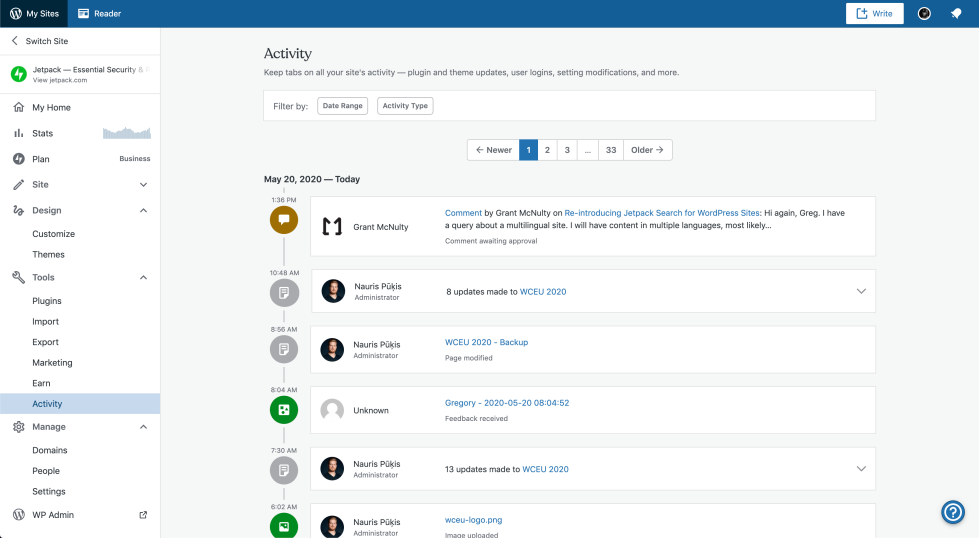
Deploying tools such as Jetpack Security provides real-time security alerts paired with a granular activity log. This system maintains an immutable audit trail, tracking every configuration change, file modification, user login, and plugin update. Having actionable visibility into who did what and when eliminates ambiguity during forensic investigations.
2. Specialized Anti-Fraud Extensions
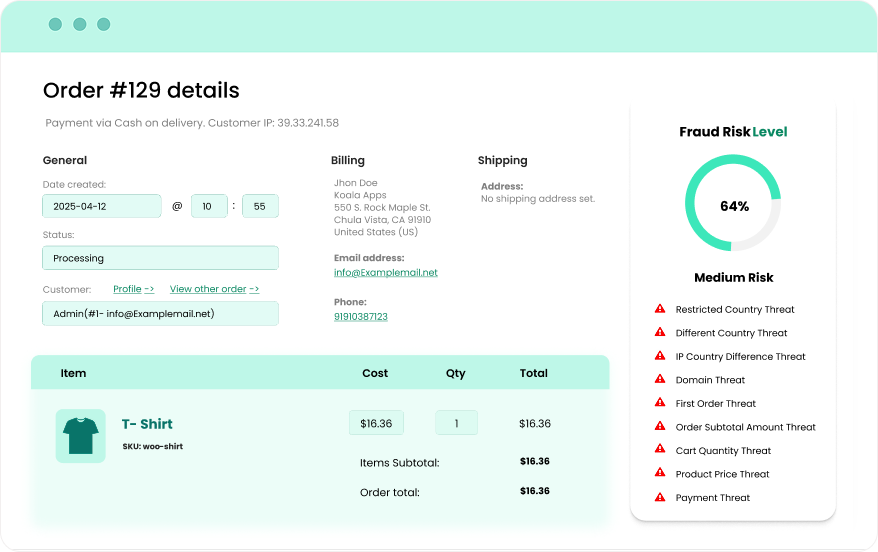
Integrating solutions like Anti-Fraud Shield for WooCommerce empowers merchants to evaluate incoming orders against custom-tailored risk factors—such as proxy detection, velocity checks, and geographic mismatches. These tools flag high-risk transactions before fulfillment occurs, protecting the business from costly chargebacks and fraudulent inventory drain.
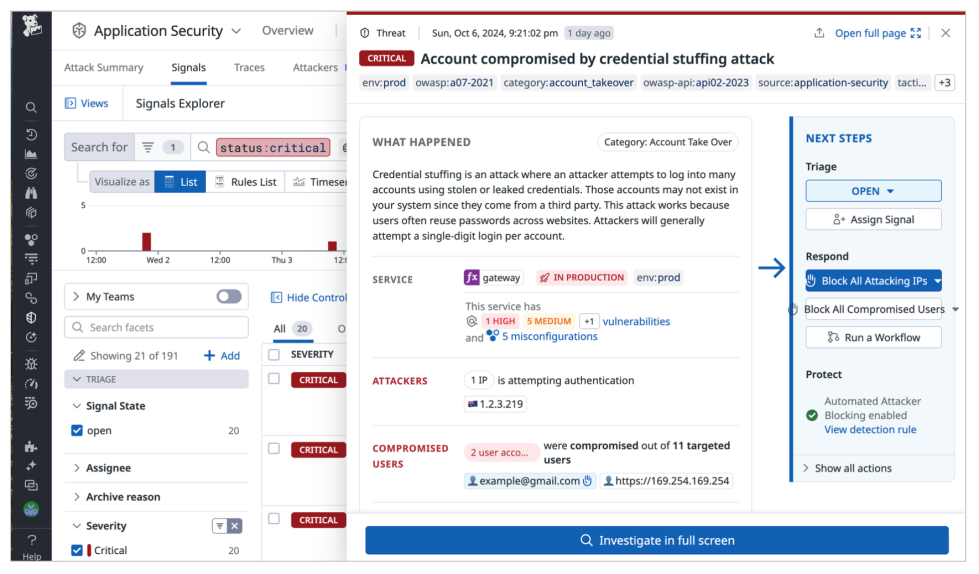
3. Enterprise Application Monitoring (Datadog)
For high-volume or multichannel merchants operating across diverse marketplaces, solutions like Datadog offer centralized application performance and security monitoring. By aggregating logs from hosting environments, content delivery networks (CDNs), payment processors, and e-commerce applications into a single pane of glass, technical teams gain enterprise-grade visibility that transcends basic platform boundaries.
4. Hosting-Level Vulnerability Scanning
Modern managed e-commerce hosting providers frequently incorporate automated malware scanning and vulnerability patching directly into their server dashboards. Merchants should leverage these native monitoring utilities to receive instant notifications regarding out-of-date software components or compromised core files.
Future Outlook: Building a Resilient E-Commerce Posture
As artificial intelligence and automated threat tools continue to evolve, cybercriminals will increasingly target the human and operational seams of online retail businesses. The distinction between a secure e-commerce store and a compromised one will no longer rely solely on the strength of a firewall, but on the organization’s ability to synthesize disparate operational signals into immediate defensive action.

In the immediate term, merchants can drastically reduce their risk profile by executing fundamental hygiene protocols: enforcing multi-factor authentication (MFA) across all administrative accounts, instituting the principle of least privilege for user roles, and conducting weekly audits of financial and operational baselines.
Security alerts matter immensely, but they rarely arrive with a flashing red warning siren. By cultivating organizational awareness, deploying cross-functional monitoring tools, and establishing rigorous baseline metrics, merchants can unmask silent threats in the shadows and safeguard their digital storefronts against the next generation of cyber threats.
What do you feel about this post?

Like

Love

Happy

Haha

Sad

Angry