

The Digital Publishing Paradox: Decoding the Realities of Monetizing a Blog in the Modern Era

Executive Overview
The debate surrounding digital publishing—specifically, whether an individual can turn a personal website into a viable, profit-generating enterprise—continues to polarize aspiring creators. On one side of the digital landscape lies a relentless stream of hype: viral marketing pitches promising overnight riches, instantaneous lifestyle design, and seven-figure windfalls born from minimal keyboard input. Conversely, cynics dismiss the entire industry as an echo chamber of modern-day snake-oil salesmen, arguing that anyone claiming to make a full-time living from online writing is either perpetrating a scam or surviving solely by selling "how to make money" guides to unsuspecting novices.
The truth, as seasoned industry veterans attest, resides comfortably between these two extremes. Monetizing a digital publication is entirely possible, yet it is profoundly misunderstood. It is neither a guaranteed get-rich-quick scheme nor an impossible endeavor reserved for internet magicians. Transitioning a creative outlet into a lucrative business requires a rare combination of grit, sustained creative output, and strategic commercial savvy. Far from being restricted to the "make money online" niche, profitable creators span a diverse ecosystem of everyday topics—ranging from woodworking and health to simple living and digital photography.
This deep-dive investigation examines the structural realities of digital publishing, analyzing hard data from creator surveys, examining the non-linear trajectories of successful entrepreneurs, and dismantling the myths that continue to plague the modern creator economy.
Detailed Chronology: The Evolution of Professional Blogging
To understand where the modern creator economy stands today, it is essential to trace the historical trajectory of digital publishing from its humble origins as an online diary medium to its current status as a recognized multi-billion-dollar industry.
Phase One: The Dawn of the Diary Web (Early 2000s)
In the early 2000s, web publishing was largely technical and decentralized. Platforms were rudimentary, and monetization models were virtually non-existent for the average creator. Early adopters entered a wide-open digital frontier. Many pioneers who launched sites during this period did so out of personal passion rather than commercial intent. Because the digital landscape was sparsely populated, those who published consistently managed to capture early audience share simply by being present at the right place and time.
Phase Two: The Rise of Contextual Advertising and Networks (Mid-to-Late 2000s)
As programmatic advertising platforms—most notably Google AdSense—matured, the commercial potential of digital content came into sharp focus. Creators realized that web traffic could be directly translated into micro-transactions through banner ads and text links. This era birthed the first wave of professional publishing networks. Early pioneers began experimenting with affiliate marketing, realizing that recommendations could yield commissions. However, the prevailing wisdom remained tied to advertising volume: traffic was king, and raw page views dictated financial survival.
Phase Three: Diversification and the Product Economy (2010s)
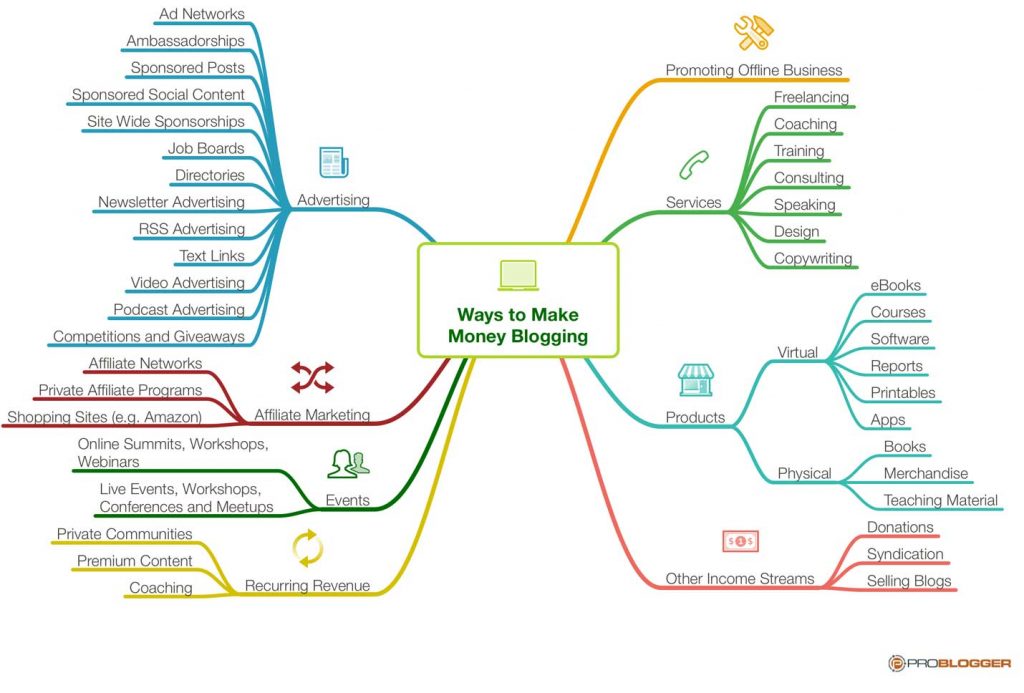
As ad rates fluctuated and programmatic networks became saturated, relying solely on display ads proved volatile. Creators began to professionalize, shifting away from generalized ad-supported models toward direct-to-consumer digital products. E-books, premium video courses, membership sites, and private communities emerged as dominant monetization vectors. Simultaneously, personal branding took center stage. Creators discovered that trust was their highest-value asset, enabling them to monetize through sponsored partnerships, consulting, speaking engagements, and offline business integrations.
Phase Four: The Modern Creator Economy (Present Day)
Today, digital publishing is recognized as a legitimate pillar of the broader creator economy. The barriers to entry have vanished; anyone can spin up a content-managed site in minutes. However, this democratization has introduced unprecedented noise. The modern era requires creators to operate less like casual diarists and more like multifaceted media companies. Success today is rarely defined by a single revenue stream; instead, sustainable operations rely on diversified portfolios combining affiliate revenue, digital assets, brand sponsorships, and audience-backed crowdfunding models.

Supporting Context & Metrics: Unpacking the Data
The romanticized narrative of effortless digital income often collapses when confronted with empirical data. Broad surveys of independent publishers consistently reveal a sobering financial distribution.
The Income Distribution Reality
An extensive survey of over 1,500 active digital creators reveals a stark income disparity. While a small percentage of publishers achieve remarkable financial success, the majority experience modest returns, particularly in the formative stages of their digital journey:
- Zero Earnings: Approximately 10% of respondents attempting to monetize their platforms generate zero revenue.
- Micro-Earnings: 28% of aspiring creators earn less than the equivalent of 30 cents per day.
- Hobbiest Income: A cumulative 63% of publishers bring in less than $3.50 per day.
- Part-Time Viability: Roughly 9% of creators achieve monthly revenues exceeding $1,000, representing a viable part-time income or supplemental household stream.
- The Elite Tier: Just 4% of surveyed creators cross the $10,000 monthly threshold, translating into six-figure annual revenues.
It is crucial to contextualize these statistics: roughly half of the survey respondents had been publishing for less than two years. When analysts isolate the top-earning tier—those clearing over $10,000 monthly—a clear correlation emerges regarding longevity. Approximately 85% of these high-earning creators have been operating their platforms for four years or more. Virtually all remaining top earners had maintained consistent publishing schedules for at least three years.
The Myth of the "Single Formula"
Marketing products frequently promote standardized blueprints or step-by-step formulas guaranteed to yield financial success in digital publishing. Industry veterans, however, unanimously reject the existence of a universal formula.
Every successful full-time creator has forged a distinct, non-linear path. While structural similarities exist—such as a commitment to high-value content and audience engagement—individual personalities, unique niches, and accidental discoveries dictate commercial outcomes. A lifestyle creator writing about home organization monetizes through a vastly different funnel than a specialized technical writer or a photography educator.
Official Insights: The Anatomy of Profitable Niches
A persistent critique within the digital business sphere is that the only individuals successfully monetizing web content are those who sell "how-to" courses on making money online. Empirical evidence shatters this assumption.
Data from professional publishing events and creator summits highlight thriving enterprises operating within decidedly conventional, everyday niches:
- Health and Wellness: Publishers focusing on holistic wellbeing, fitness, and nutrition frequently build highly lucrative independent media platforms by leveraging affiliate partnerships with wellness brands, physical product recommendations, and digital coaching programs.
- Simple Living and Domestic Arts: Creators documenting intentional living, minimalism, and family management generate sustainable incomes through sponsored content, physical book publishing deals, and curated digital resource libraries.
- Specialized Craftsmanship: Niche artisanal topics, such as woodworking and specialized DIY crafts, prove exceptionally profitable. Creators in these spaces often outpace generic business-advice sites by combining high-ticket affiliate links for tools and machinery with premium instructional blueprints and video masterclasses.
- Visual Arts and Photography: Educational platforms dedicated to technical skills—such as digital photography—frequently rank among the highest-earning independent sites. By combining display advertising with proprietary digital presets, e-books, and workshops, these creators build robust, multi-stream enterprises.
None of these successful publishers rely on teaching others how to make money online. Instead, their financial viability stems from solving genuine consumer problems, offering deep domain expertise, and building authentic trust within targeted communities.
Future Outlook: What It Takes to Succeed in the Next Decade
As artificial intelligence transforms the content landscape and search engine algorithms continuously evolve, the playbook for building a profitable digital publication is shifting. The era of churning out generic, low-effort articles optimized solely for search engine scrapers is coming to a definitive end.
Future viability rests upon four foundational pillars:
1. Relentless Work Ethic and Active Execution
The characterization of digital publishing as a fully "passive income stream" is a dangerous misconception. Sustaining a modern digital enterprise requires active, daily management. Creators must continually adapt to shifting technical requirements, monitor business metrics, innovate new product offerings, and engage directly with their audiences. Passivity is the enemy of digital longevity.
2. Uncompromising Content Quality and Originality
In an internet saturated with commoditized information, mediocre content holds zero commercial value. Future success belongs exclusively to creators who produce original, highly authoritative, and deeply helpful material. Platforms must offer a distinct perspective that algorithms and automated tools cannot replicate.
3. Audience Trust and Brand Equity
Building a profitable publication requires time because it requires trust. An audience will not purchase recommendations, digital products, or sponsored offerings from a faceless entity lacking credibility. Cultivating deep reader engagement and establishing a resilient brand reputation remain the ultimate competitive advantages.
4. Diversified Monetization Architecture
Relying on a single income stream—such as programmatic display advertising—leaves a digital publication vulnerable to algorithmic updates and macroeconomic advertising shifts. Successful future-proofed creators will continue to build diverse monetization matrices, blending audience-funded models (memberships, premium newsletters, crowdfunding) with high-value affiliate partnerships and direct product sales.
Conclusion
Can you truly make money through digital publishing? The answer remains an unequivocal yes. However, prospective creators must enter the space with clear eyes. Financial viability is reserved for those who view content creation not as a get-rich-quick lottery ticket, but as a long-term media business built on the pillars of endurance, strategic adaptability, and relentless hard work.
What do you feel about this post?

Like

Love

Happy

Haha

Sad

Angry