

The Living Room Takeover: What YouTube’s Pivot to Connected TVs Means for Content Marketers

Executive Overview
YouTube has made its ultimate strategic destination crystal clear: the living room television. As connected TV (CTV) adoption accelerates globally, the world’s leading video-sharing platform is aggressively shifting its infrastructure, monetization tools, and discovery algorithms away from mobile-first mechanics toward a cinematic, couch-based viewing experience. For content creators, brands, and digital marketers, this transition demands a fundamental reevaluation of channel strategy.
Gone are the days when a rushed smartphone upload and a hastily cropped thumbnail could reliably capture an audience. Today’s YouTube viewers are watching on 65-inch displays, coming off high-production streaming marathons, and engaging in multi-device habits. To thrive in this new era, marketers must master long-form episodic storytelling, optimize for next-generation AI voice search, and adapt to newly minted analytics like "Unique Reach." Co-created by digital media expert Liron Segev alongside Michael Stelzner and Jerry Potter, this comprehensive guide explores the structural shifts, technical optimizations, and e-commerce integrations required to future-proof your video strategy on the big screen.
Detailed Chronology: The Evolution of YouTube on the Big Screen
The transformation of YouTube from a desktop and mobile curiosity into a dominant living room staple did not happen overnight. Understanding this chronological evolution helps marketers contextualize why platform rules are changing so rapidly today.

- The Mobile-First Foundation (2010–2018): For over a decade, YouTube’s ecosystem was engineered around the smartphone and desktop computer. Success was defined by rapid, highly edited, short-form content designed to capture fleeting attention spans during commutes or work breaks. Production values were secondary to immediate value delivery.
- The Smart TV Inflection Point (2019–2022): Connected TV hardware sales surged, and smart TV apps became standard. YouTube steadily logged more viewing hours on television sets than on mobile devices in key demographic brackets. Despite this, marketers continued to produce content through a mobile lens, ignoring the stark contrast in viewer psychology.
- The Cinematic Push and Infrastructure Overhaul (2023–Present): Recognizing that the living room is the primary battleground for entertainment dominance, YouTube rolled out a series of aggressive updates. These included expanding thumbnail upload limits to 50MB (enabling 4K resolution), deploying AI-driven upscaling features for sub-1080p uploads, and integrating advanced voice search through the Gemini-powered "Ask YouTube" feature.
- The Commerce Integration (2026 and Beyond): Most recently, YouTube introduced "Buy with Google Pay" functionality directly to connected TVs. This allows users to complete multi-step purchases using only their TV remotes, transforming passive viewing into immediate, frictionless transactions.
Supporting Context & Metrics: The Psychology of the Couch Audience
Why does the shift to television change the rules of marketing? It all comes down to audience psychology.
When a user watches a video on a mobile device while crammed into a subway car, their expectations for cinematic quality are low. They tolerate shaky footage, subpar audio, and chaotic editing. However, when that same user finishes a pristine, high-budget documentary on Netflix and flicks over to YouTube on a 65-inch screen, their brain unconsciously applies that exact same production standard.
Liron Segev points out that meeting this higher standard does not require sterile, Hollywood-level perfection—in fact, authenticity remains paramount, especially as AI generates an ocean of over-polished digital content. Instead, quality on TV is about environmental awareness. The single biggest mistake marketers make is failing to view their own content from a couch perspective. Creators routinely review their work on compact laptop displays or smartphones, missing the visual compression issues, awkward framing, and missed branding opportunities that glare under living room conditions.
Low-Hanging Fruit: Banners, Thumbnails, and Delivery
Marketers can immediately capture television optimization gains by addressing three core elements:

- Reclaiming Channel Banners: On mobile and desktop, channel banners are heavily cropped. On a television display, however, YouTube reveals additional vertical space at the top and bottom. Marketers should utilize YouTube’s official dimension guidelines to ensure their branding scales gracefully across all formats while embedding exclusive promotional messaging or secondary branding within the TV-only display zones.
- Upgrading Thumbnails for 4K: While YouTube’s expansion of the thumbnail file size limit to 50MB allows for stunning 4K assets, a higher-resolution version of a cluttered, confusing thumbnail remains fundamentally ineffective. The cardinal rule of thumb design endures: clean layouts, contrasting colors, and minimal text are essential for catching a viewer’s eye across a living room.
- Delivering on the Promise Immediately: Television viewers have zero patience for drawn-out channel introductions or prolonged housekeeping announcements. Whatever the title and thumbnail promise, the video must deliver that exact value within the opening moments. Furthermore, because AI-driven search models crawl transcripts heavily, front-loading the core answer within the first 100 words aligns human satisfaction with algorithmic discovery.
Official Statements and Industry Insights: Episodic Content and Unique Reach
To capture the modern couch audience, creators must pivot away from isolated, standalone "how-to" videos toward long-form, episodic content that encourages binge-watching.
Embracing the "Infotainment" Model
Where old-school YouTube demanded aggressive trimming to keep runtime under five minutes, TV viewing rewards a relaxed, conversational pace. A 10-minute runtime is now the baseline for TV-optimized content. Liron Segev champions the "infotainment" approach—content that educates while making the viewer feel as though they are casually hanging out with the creator.
Crucially, this format embraces human imperfections. Moments that traditional editors would slice out—such as a genuine laugh, a stumble over words, or a spontaneous behind-the-scenes interaction—contribute significantly to authenticity. Even mainstream television productions, such as America’s Got Talent, have shifted toward raw, unscripted backstage footage, mirroring the expectations set by digital creators.
To maintain engagement among distracted viewers who are often multitasking with a smartphone in hand while the TV plays in the background, creators must incorporate re-hooks. These are natural, periodic verbal transitions—such as, "We’ve just covered Part A; let’s dive into Part B now"—that gently pull wandering attention back to the screen without feeling condescending.

Demystifying the Unique Reach Metric
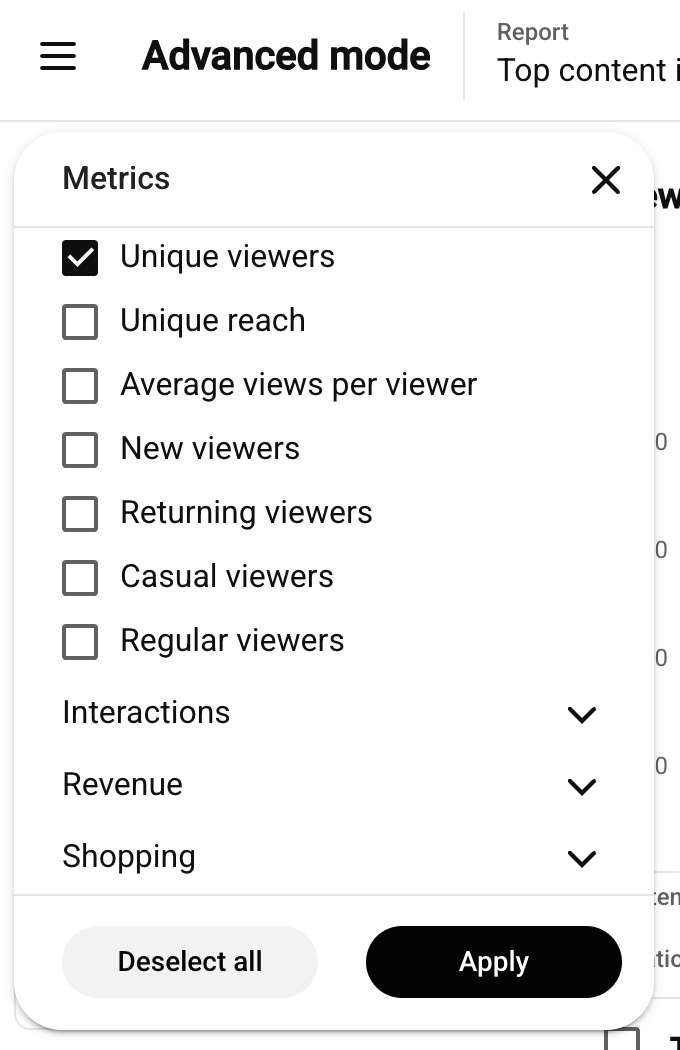
To help brands evaluate the true scale of television audiences, YouTube introduced Unique Reach. Unlike traditional unique viewer metrics, which count only individual logged-in accounts, Unique Reach models the total number of people estimated to be watching a video—accounting for co-viewers gathered around a shared living room screen.
Utilizing signals like time of day, device profiles, demographics, and video genres, Unique Reach operates similarly to traditional Nielsen television ratings.
- For Creators and Media Sellers: A higher Unique Reach figure validates the broader cultural footprint of a channel, providing strong leverage when negotiating brand sponsorships and reporting comprehensive impressions to corporate partners.
- For Brands and Sponsors: Caution is advised. If a sponsored video records 5,000 baseline views but 15,000 in Unique Reach, brands should celebrate the expanded household exposure without tripling their sponsorship fees. Baseline view counts should remain the financial anchor, with Unique Reach serving as a powerful supplementary indicator of group engagement.
Future Outlook: AI-Powered Search, Voice Discovery, and TV Commerce
Looking ahead, the intersection of artificial intelligence and living room hardware will completely redefine how audiences interact with video content.
The Rise of "Ask YouTube" and Voice Discovery
YouTube is expanding its Gemini-powered chatbot, Ask YouTube, directly to smart TVs, streaming devices, and gaming consoles. Viewers can now use their remote control microphones to ask complex questions, request summaries, and search within videos without ever touching a phone.
Because Gemini is a multimodal vision model capable of processing both audio transcripts and on-screen visuals (such as lower-thirds, graphical overlays, and text blocks), content optimization must evolve. Creators should weave natural-language phrases into their scripts—phrasing that mirrors how humans actually query AI tools.
Furthermore, because AI synthesizes answers instantly, creators must position themselves as authoritative sources of original data, proprietary insights, and personal experience. As Jerry Potter notes, while AI overviews can occasionally reduce raw view counts by answering questions upfront, brands that become the cited authority will generate higher-intent conversions, phone calls, and loyal customers.
Frictionless E-Commerce in the Living Room
The deployment of Buy with Google Pay on connected TVs removes the historical friction that plagued television advertising. Viewers can now purchase products featured in ads or tagged shopping videos with just two clicks of their remote.
With over 35 billion hours of shopping-related content consumed on YouTube—a massive share of which occurs in the living room—the platform is transforming into a transactional marketplace. While high-ticket consulting packages and complex masterminds will still require traditional multi-step sales funnels, physical goods, merchandise, and affiliate products are primed for instant living room conversion.

Conclusion
The migration of YouTube to the living room television is not a temporary trend; it is a permanent structural shift in how digital media is consumed, measured, and monetized. Marketers who cling to mobile-centric production habits, cluttered thumbnails, and brief runtimes risk becoming invisible to the couch-based consumer.
By aligning content strategies with cinematic quality expectations, building long-form episodic narratives, optimizing for multimodal AI discovery, and embracing living room e-commerce features, forward-thinking brands can secure an unmatched competitive advantage in the new era of television advertising.
What do you feel about this post?

Like

Love

Happy

Haha

Sad

Angry