By the Tech & E-Commerce Desk Published in partnership with open-source industry analysis
Executive Overview
In the fast-paced ecosystem of digital commerce, technical debt is the silent killer of growth. For platforms powering millions of online storefronts, keeping pace with merchant demands while maintaining structural integrity is an uphill battle. Now, the team behind WooCommerce—the ubiquitous open-source e-commerce platform built on WordPress—is taking a drastic, highly transparent step to address this exact challenge.
In a major strategic pivot, the WooCommerce leadership team has announced that the vast majority of its product and engineering divisions will pivot away from major new feature development for an entire quarter. Instead, for the next three months, hundreds of developers and product managers will dedicate themselves exclusively to a massive housekeeping effort: streamlining, optimizing, and thoroughly modernizing the WooCommerce core plugin.
At the onset of this initiative, the official WooCommerce GitHub repository presented a daunting picture: more than 2,300 open issues and 500 open pull requests. These represent years of accumulated bug reports, user friction points, and enhancement suggestions submitted directly by merchants, developers, and digital agencies.
By hitting pause on flashy new rollouts to tackle this extensive backlog head-on, WooCommerce is betting that a more stable, performant foundation will ultimately accelerate long-term growth. Crucially, critical tracks like WooPayments and Woo AI will continue to evolve in parallel. However, the clear message from leadership is that the core infrastructure must be stabilized if the platform is to support the next generation of online commerce.
Detailed Chronology: Anatomy of a Backlog
To understand why a major e-commerce platform would voluntarily halt new initiatives for 90 days, one must trace how open-source technical backlogs accumulate.
The Weight of Community-Driven Growth
WooCommerce’s superpower—and historical engine of growth—has always been its deeply engaged community. Merchants run stores on it, third-party developers build extensions that hook into it, and designers craft bespoke themes that render content through its architecture. Yet, this decentralized model also means that feedback enters the ecosystem at a staggering volume.
Over the years, bugs, feature requests, and edge-case operational friction points trickled into the GitHub repository faster than the core team could systematically triage them. While patches were deployed and major version upgrades rolled out regularly, the sheer velocity of modern web development left behind a massive tail of unaddressed community tickets. Many of these originated from everyday store owners who encountered unexpected roadblocks—ranging from subtle checkout glitches to missing developer hooks—and took the time to document them meticulously.
The Turning Point
Recognizing that the backlog had grown faster than the team’s historical capacity to process it, leadership initiated a comprehensive audit. Rather than quietly archiving old tickets or letting them languish in digital purgatory, the engineering leadership issued a directive: every single open issue and pull request must be re-reviewed by a product specialist.
Under this rigorous review process, every item in the multi-thousand-ticket backlog is receiving a manual assessment, a direct response from the team, and a definitive classification. Items are being slated for immediate remediation, scheduled into upcoming micro-releases, or formally closed with transparent explanations.
This public-facing accountability marks a distinct cultural shift in how major tech platforms handle technical debt. By doing this "in the open," WooCommerce is inviting developers and merchants to watch the clean-up happen live, comment on closed tickets if they feel a decision was premature, and directly influence the triage process.
Supporting Context & Metrics: Why the Core Matters
Why risk slowing down feature velocity for an entire quarter? The answer lies in the deeply interconnected architecture of modern web infrastructure.
WooCommerce does not exist in a vacuum; it sits squarely at the center of a massive software supply chain.
Extensions: Third-party plugins rely on core hooks, filters, and APIs to function. When the core is bloated or erratic, extension developers spend disproportionate hours maintaining compatibility patches.
Themes: Modern block-based themes render dynamic content directly via WooCommerce APIs. Core stability guarantees smoother frontend performance and fewer broken layouts during platform updates.
Hosting & Scale: E-commerce demands high database efficiency. Optimizing core database queries and reducing execution overhead directly translates to faster page load times, higher conversion rates, and lower hosting bills for merchants.
By investing 90 days of concentrated engineering power into this foundational layer, the platform is creating a force multiplier. Every future feature shipped after this quarter will inherit a cleaner, more robust, and more predictable environment.
Integrating Deeply with WordPress
A secondary pillar guiding this initiative is the relationship between WooCommerce and its parent platform, WordPress. Historically, e-commerce solutions sometimes feel like bolted-on software operating independently of the content management system that houses them.
WooCommerce leadership is actively shifting away from this siloed mindset. By working closely alongside core WordPress engineering teams, the project is focusing heavily on making WooCommerce and WordPress feel like a single, unified product. This involves aligning user experiences, streamlining editor interactions, and ensuring that managing products feels just as native as publishing blog posts or managing pages.
Targeted Focus Areas
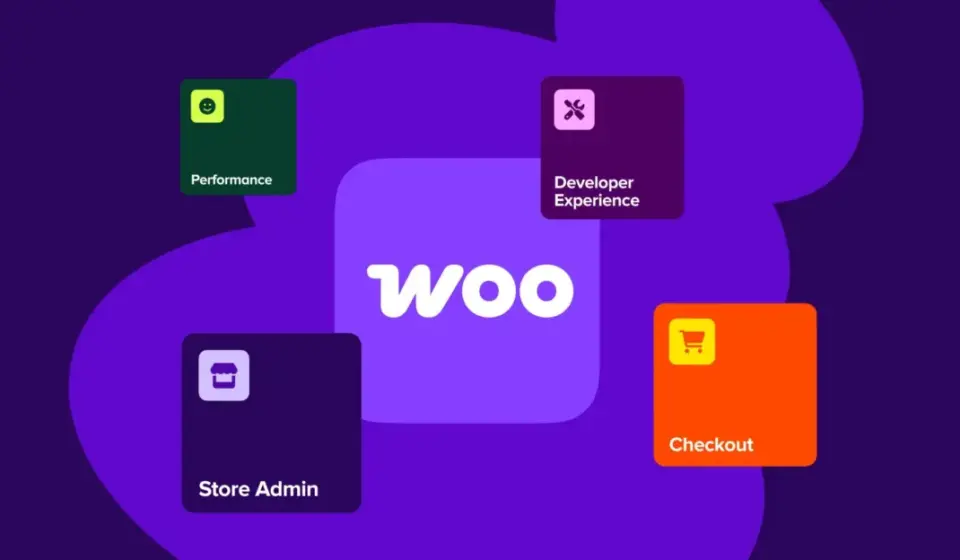
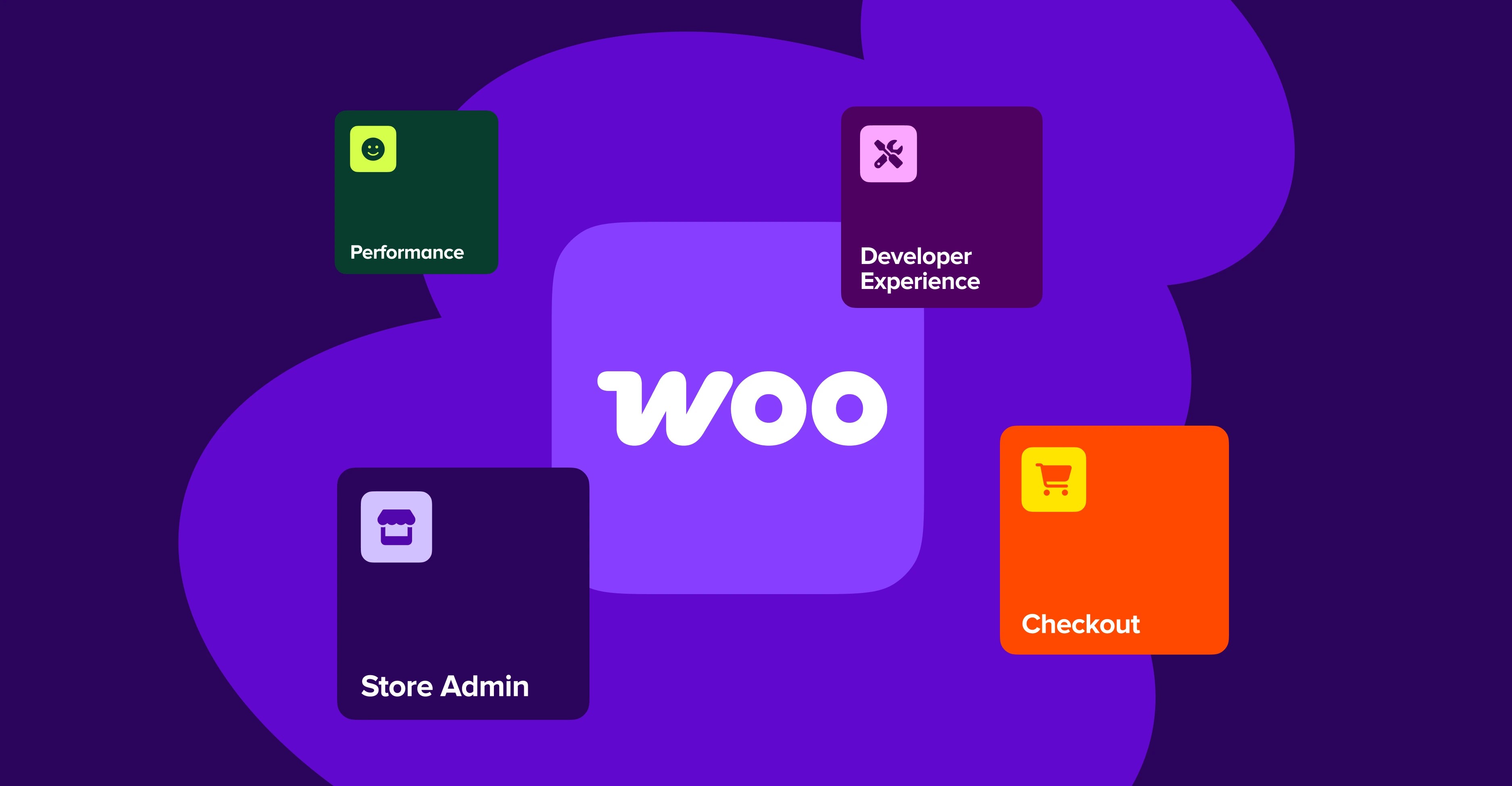
While the exact grouping of feedback spans multiple engineering disciplines, customer and developer insights have helped cluster the ongoing work into four core operational buckets:
Performance & Scalability: Trimming database bloat and optimizing query speeds for high-traffic stores.
Developer Experience: Cleaning up APIs, enhancing documentation, and refining action/filter hooks to make extension building frictionless.
Checkout & Reliability: Hardening the core transaction pipeline to ensure bulletproof reliability during peak traffic events like Black Friday.
WordPress Alignment: Deepening native integrations with the WordPress Block Editor and site-building paradigms.
Official Statements & Leadership Insights
The initiative is being spearheaded by Beau Lebens, Artistic Director and overall Lead for WooCommerce at Automattic. With over 25 years of experience building web-scale systems—including more than a decade at Automattic contributing to WordPress.com, Jetpack, and WooCommerce—Lebens brings a veteran perspective to the necessity of structural maintenance.
In an open statement to the community, Lebens emphasized that the massive backlog is not merely a collection of administrative inconveniences, but rather a blueprint gifted by the platform’s user base:
"That backlog is, in a real sense, a to-do list this community wrote for us. And we haven’t moved it forward fast enough. We’re now re-reviewing every item on it. Each issue gets a look from a product person and gets a response…"
Lebens underscored the strategic rationale behind pausing major new initiatives, explaining that time invested at the core level pays dividends across the entire software ecosystem:
"WooCommerce sits in the middle of everything. Your store runs on it, your extensions hook into it, your theme renders content from it. Time invested here pays off across the entire platform, setting us up to ship what comes next faster and with more confidence."
Addressing potential concerns regarding parallel developments, leadership has confirmed that vital commercial and technological advancements will not stall entirely. Work on WooPayments—the platform’s native payment gateway solution—and Woo AI initiatives will continue concurrently, with separate update cycles communicating their progress independently.
Lebens also issued a direct call to action for the developer community and merchants who have lived with minor platform grievances for years:
"If something in WooCommerce has been irking you for years—a bug, a workflow, a missing hook—now is a great time to file it or bump it. WooCommerce was built by this community. Over the next few months, your feedback will accelerate it even more."
Future Outlook: What This Means for Merchants and Developers
As the three-month sprint progresses, the open-source community will serve as both witness and jury.
What Merchants Can Expect
For the everyday store owner, day-to-day operations will largely remain stable, but the downstream effects of this clean-up will soon become palpable. Store administrators can anticipate:
Fewer mysterious bugs and conflicts following routine plugin updates.
Snappier backend loading times when managing large inventories or high volumes of customer orders.
A tighter, more intuitive publishing experience as WooCommerce styling and functionality merge more seamlessly with the broader WordPress dashboard.
What Developers Can Expect
For agencies, freelance developers, and plugin authors, this initiative is a welcome relief. Technical debt in open-source software often forces developers to write complex workaround code. A refined WooCommerce core means:
Cleaner documentation and more reliable API endpoints.
Predictable behavior from hooks and filters, minimizing the maintenance overhead for third-party extensions.
A transparent venue via GitHub where developer contributions are actively acknowledged, triaged, and addressed rather than lost in a sea of unread notifications.
Conclusion: A New Standard for Open-Source Transparency
By throwing open the doors and inviting the world to watch their internal cleanup operation, WooCommerce is setting a high bar for open-source project management. Software maintenance is often unglamorous work—devoid of the marketing buzz generated by new feature rollouts or flashy AI integrations. Yet, it is precisely this unglamorous engineering rigor that separates ephemeral software projects from enduring, enterprise-grade digital infrastructure.
Over the next three months, as the GitHub repository shifts from a sprawling backlog of thousands of unresolved tickets into a streamlined engine of efficiency, WooCommerce will test a compelling hypothesis: that listening intensely to your community, acknowledging past delays, and investing heavily in your foundations is the absolute best way to build for the future.