
The Ultimate Lead Generation Playbook: 13 Proven Strategies to Transform Website Visitors into Revenue

Executive Overview
In the modern digital economy, growth is inextricably linked to pipeline velocity. More leads equate to a larger pool of potential customers, which ultimately drives recurring revenue and scales market share. However, with infinite digital channels vying for consumer attention, building a reliable lead generation engine can feel exceptionally daunting for marketers, founders, and agency leaders alike.
Where do you begin? The core objective of an effective lead generation framework is to eliminate ambiguity. By establishing a systematic approach to attracting, capturing, and converting traffic, businesses can build sustainable growth engines. Authored by Josh Gallant, founder of organic growth firm Backstage SEO, a definitive strategy framework has emerged to help marketers parse through the noise. This report details 13 high-impact lead generation strategies, outlines the foundational prerequisites required before executing any campaign, and provides a comparative analysis of inbound versus outbound marketing models.

Defining Lead Generation: The Gateway to the Sales Funnel
At its core, lead generation encompasses the methodologies, tactics, and systems used to attract prospective buyers to a business and capture their contact information. It acts as the critical bridge between top-of-funnel brand awareness and bottom-of-funnel sales conversions.
Before deploying tactics, organizations must understand the two primary categories governing customer acquisition: Inbound Marketing and Outbound Marketing. Deciding which approach suits a business best is rarely a binary choice; rather, it depends heavily on target markets, product complexity, average deal size, and available capital resources.
Inbound vs. Outbound: A Comparative Analysis
Inbound Marketing
Inbound marketing focuses on pulling prospective customers toward a brand by creating valuable, educational, and entertaining content. Core channels include search engine optimization (SEO), blogging, organic social media, and permission-based email marketing.

- Advantages: Builds long-term brand equity, fosters high trust, delivers compounding organic traffic, and typically yields lower cost-per-acquisition (CPA) over time.
- Disadvantages: Requires significant upfront time and resource investment; results are rarely immediate.
Outbound Marketing
Outbound marketing involves proactively pushing messages out to targeted lists of prospective buyers through cold email outreach, direct mail, telemarketing, and paid advertising.
- Advantages: Delivers rapid visibility, provides predictable pipeline velocity, and allows for precise speed-to-market testing.
- Disadvantages: Can suffer from ad fatigue, spam filters, higher acquisition costs, and lower initial trust factors compared to inbound channels.
Ultimately, market leaders rarely rely on a single channel. The most resilient lead generation frameworks combine the long-term compounding benefits of inbound marketing with the immediate pipeline injections provided by outbound execution.
The Non-Negotiable Prerequisite: Defining Your Ideal Customer Profile (ICP)
Tactics matter, but execution without precision is a recipe for wasted ad spend and burned lists. Before investing a single dollar into software, ad campaigns, or content creation, organizations must execute one fundamental prerequisite: Defining the target market and the ideal buyer persona.

Saying "our target market is everyone" is a fast track to marketing failure. Building a precise audience profile requires a two-step framework:
- Defining the Market: Analyze industry verticals, geographic constraints, company size (SMB vs. enterprise), maturity stages, and macroeconomic conditions impacting your potential buyers.
- Defining the Buyer: Map out specific job titles, daily pain points, key performance indicators (KPIs), purchasing authority, preferred communication channels, and common objections.
By clarifying the "who" before detailing the "what," brands ensure they do not deploy strategies that work universally in theory but fail miserably in specific industry contexts.
13 High-Impact Lead Generation Strategies for Modern Marketers
With a clearly defined target audience established, organizations can implement a diversified mix of conversion methodologies. Here are 13 proven strategies designed to turn casual visitors into high-value leads.

1. Create Conversion-Optimized Landing Pages
The cornerstone of modern inbound marketing is the dedicated landing page. Unlike homepages—which serve multiple navigation goals—a landing page has a single, singular objective: converting visitors through a lead generation form.
Using platforms like Unbounce, marketers can deploy drag-and-drop landing page builders integrated seamlessly into their tech stack. High-converting landing pages feature compelling value propositions, minimal friction in form design, clear calls to action (CTAs), and robust social proof.
2. Build an Inbound Content Marketing System
Content marketing involves producing and distributing educational and entertaining assets—such as deep-dive articles, whitepapers, and videos—that draw prospects to a website. To transform content into a true lead-generation mechanism, every piece must tie back to a conversion pathway, such as a gated resource or newsletter signup.
3. Capitalize on Search Engine Optimization (SEO)
SEO ensures that your website, blog posts, and landing pages rank prominently when prospects actively search for solutions on Google or Bing. By targeting high-intent keywords, businesses capture buyers at the exact moment they are looking to solve a pain point, driving sustainable, high-quality organic traffic.

4. Execute Targeted Cold Email Outreach Campaigns
Cold email remains a powerful outbound engine when executed with surgical precision. Rather than employing a "spray and pray" approach, top-performing sales teams leverage intent signals—such as executive job changes or recent funding rounds—to reach out to best-fit prospects with hyper-personalized offers at the right moment.
5. Deploy Non-Intrusive Popups and Sticky Bars
Site-wide conversion tools like sticky bars and exit-intent popups ensure that lead magnet offers are visible to every visitor, regardless of which page they land on. When timed correctly and paired with compelling offers (such as checklists, templates, or discounts), these tools dramatically lift overall site conversion rates.
6. Leverage Social Media Marketing (Organic and Paid)
Social media platforms offer massive built-in audiences. While organic social relies on algorithm-friendly discovery feeds and authentic brand storytelling, paid social campaigns allow hyper-targeted demographic and behavioral segmentation to capture prospects where they spend their digital lives.

7. Run Pay-Per-Click (PPC) Advertising Campaigns
PPC advertising—via Google Ads or social channels—places a brand directly at the top of search results or feeds instantly. By bidding on high-intent keywords and directing traffic to optimized landing pages, businesses can generate qualified leads within hours of campaign launch.
8. Host Webinars and Live Educational Events
Virtual workshops and masterclasses require a time commitment from prospects, which naturally filters out low-intent lookers. Attendees who invest 30 to 60 minutes into an educational session represent high-intent leads who are primed for sales conversations.
9. Implement Customer Referral Programs
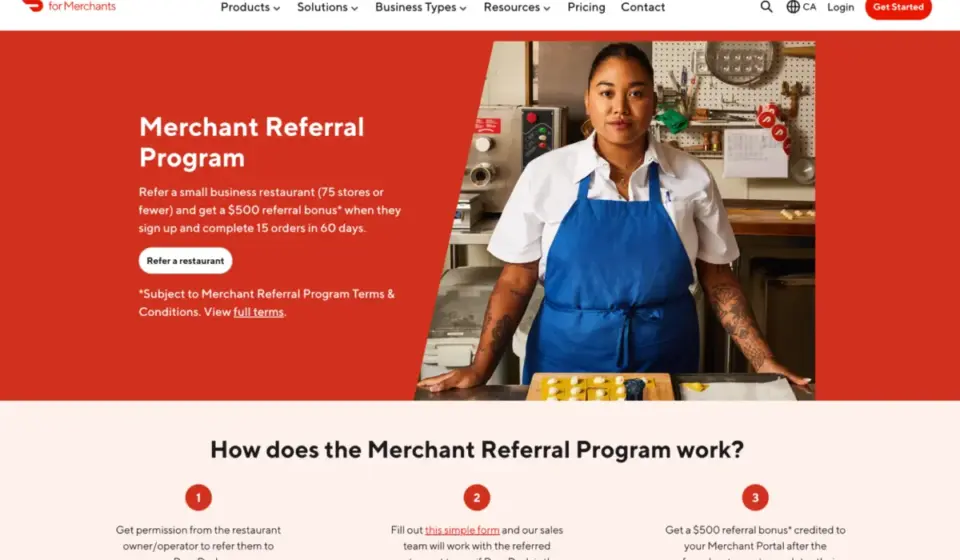
Word-of-mouth marketing remains the most trusted form of customer acquisition. By establishing structured referral programs that incentivize current users with financial bonuses, discounts, or exclusive perks, brands turn satisfied clients into active brand advocates.

10. Partner with Niche Creators and Influencers
Influencer marketing is no longer restricted to mega-celebrities. Across industries, micro-influencers and specialized creators on YouTube, LinkedIn, and TikTok command highly engaged niche audiences. Partnering with these creators allows brands to borrow trust and reach new target demographics efficiently.
11. Execute Retargeting Ad Campaigns
Not every visitor converts on their first touchpoint. Retargeting campaigns allow marketers to serve tailored ads to users who visited high-value pages (such as pricing or product features) but left without filling out a form, effectively winning back high-intent prospects.
12. Offer Frictionless Free Trials and Product Demos
Much like offering samples at a grocery store, providing hands-on access via free software trials or interactive product demos lowers the perceived risk of purchasing. This strategy lets prospects experience product value firsthand before committing financially.

13. Deploy Interactive Quizzes and Diagnostic Tools
People love personalized insights. Interactive quizzes—reminiscent of popular personality assessments—engage prospects by asking a few targeted questions in exchange for customized results, capturing valuable contact information while gathering zero-party data.
Supporting Metrics & Future Outlook
To ensure the long-term viability of these 13 strategies, marketing leaders must continuously monitor core performance indicators:
- Cost Per Lead (CPL): Tracking acquisition efficiency across channels.
- Lead-to-Customer Conversion Rate: Measuring overall pipeline quality.
- Customer Lifetime Value (LTV) vs. Customer Acquisition Cost (CAC): Ensuring sustainable unit economics.
Future Outlook: As data privacy regulations tighten and third-party cookies phase out, the future of lead generation will rely heavily on zero-party data collection (via quizzes and interactive tools), hyper-targeted intent signals, and authentic brand-consumer relationships built through high-value inbound content. Organizations that balance the immediate wins of outbound execution with the compounding trust of inbound strategies will dominate their respective markets.