Monetizing Mastery: How Experts Are Packaging Hard-Won Expertise Into Profitable, AI-Powered Software

Executive Overview
In an era where large language models can instantly draft a marketing strategy, write a pitch deck, or summarize complex market trends in seconds, raw knowledge has effectively been commoditized. Anyone can log into ChatGPT and prompt their way to a generic baseline of competence. However, generic AI outputs share a fatal flaw: they lack the tactical nuance, contextual wisdom, and battle-tested frameworks of a seasoned practitioner who has spent years refining what actually works.
This realization has sparked a seismic shift in the digital business landscape. Industry experts, consultants, and course creators are moving away from traditional information products—such as passive digital courses and static PDF workbooks—and pivoting toward "expert-backed AI tools." By embedding their proprietary methodologies, workflows, and decision-making logic directly into AI-driven ecosystems, modern entrepreneurs are transforming their intellectual property into scalable, subscription-generating software assets.
Co-created by strategist Kelly Sinclair and Michael Stelzner, recent insights from the AI Explored podcast illuminate this paradigm shift. According to data cited from a 2025 Thinkific study, traditional digital course completion rates languish between a dismal 10% and 20%. Yet, when interactive AI-powered tools are integrated into the curriculum, completion rates skyrocket to an unprecedented 70% to 80%. This article investigates how modern experts are identifying monetization opportunities, structuring their tools using the rigorous IPO framework, navigating the build-versus-buy implementation spectrum, and successfully turning what they know into high-ticket digital assets.
Detailed Chronology: The Evolution From Passive Courses to Active AI Implementation
To understand why expert-backed AI has become the gold standard of productization, one must examine how the digital knowledge economy has evolved over the past decade.
Phase 1: The Era of Information Abundance and Passive Consumption
For years, the standard playbook for scaling expertise relied on the information product model: ebooks, membership sites, and self-paced video courses. These products were built on a foundational premise—that if you teach people how to think, they will naturally figure out how to execute.
Unfortunately, reality proved otherwise. As the digital marketplace flooded with content, buyers suffered from severe implementation fatigue. While consumers eagerly purchased courses, they consistently stalled when faced with the dreaded blank page. The friction between acquiring theoretical knowledge and executing tactical tasks proved insurmountable for the average buyer, resulting in the notorious 10% to 20% completion rates. The market needed a mechanism that bridged the chasm between education and execution.
Phase 2: The Commoditization of Generic AI
When consumer-facing generative AI tools exploded into the mainstream, many creators panicked, fearing that free AI tools would devalue their proprietary frameworks. Anyone could now ask an LLM to generate a foundational marketing plan or a content calendar.
However, a critical market gap quickly emerged. While generic AI can produce a plausible first draft of almost anything, users lacked the contextual compass required to validate whether the output was actually effective. Generic tools lacked the specialized heuristics, regulatory constraints, and industry-specific guardrails that only real-world professionals possess.
Phase 3: The Rise of "Bot Squads" and Implementation-First Products
Recognizing this vacuum, forward-thinking strategists began packaging their methodologies into interconnected suites of AI tools, affectionately termed "bot squads." Rather than teaching clients how to write a pitch over a six-week module, experts began deploying AI workflows that executed the pitch-writing process for them, using the expert’s proprietary logic.

This evolution redefined the digital product ecosystem. Instead of selling a one-time course that clients rarely finish, modern experts can now offer subscription-based access to customized AI ecosystems. Clients happily maintain their subscriptions because the tools drastically reduce administrative friction, while experts transition from answering repetitive foundational questions to delivering high-level, high-ticket strategic coaching.
Supporting Context & Metrics: Diagnosing Where AI Delivers Maximum Value
For practitioners looking to transition their expertise into software, the primary challenge is identifying where in their existing product suite an AI tool will generate the highest return on investment. According to Kelly Sinclair, four distinct diagnostic questions help uncover these high-impact opportunities by targeting specific friction points in the client journey.
+--------------------------------------------------------------------------+
                       THE 4 DIAGNOSTIC FRICTION POINTS
+-----------------------+--------------------------------------------------+
| Repetition            | Clients repeatedly ask the same foundational     |
|                       | questions.                                       |
+-----------------------+--------------------------------------------------+
| Implementation Gap    | Clients understand the strategy but fail to take |
|                       | action.                                          |
+-----------------------+--------------------------------------------------+
| Skip Zone             | Clients avoid essential steps due to "blank-page |
|                       | syndrome" or perceived effort.                   |
+-----------------------+--------------------------------------------------+
| Confidence Gap        | Clients possess intellectual understanding but   |
|                       | lack the courage to execute.                     |
+-----------------------+--------------------------------------------------+
1. Repetition
The most obvious indicator for automation is repetition. If you find yourself answering the exact same foundational questions on client onboarding calls, Slack channels, or email threads, you have identified a prime candidate for an automated tool. By codifying your answers into an AI workflow, you can deliver customized responses automatically, tailored to each client’s unique business parameters.
2. The Implementation Gap
Often, clients understand a strategic plan intellectually, but when left to their own devices, they simply fail to execute. Sinclair encountered this firsthand in her marketing consultancy: she would build comprehensive visibility strategies for entrepreneurs, only to watch them stall out. AI tools provide the immediate momentum required to bridge the gap between knowing what to do and actually doing it, guiding clients step-by-step through execution.
3. The Skip Zone
Every expert has at least one step in their framework that clients treat as optional, even though it is fundamentally essential to achieving results. This resistance is frequently rooted in "blank-page syndrome"—the psychological paralysis clients experience when facing a massive, unstructured task. By deploying a tool that automatically generates the first draft or initial framework, you eliminate the heavy lift, rendering the objection obsolete.

4. The Confidence Gap
Sometimes the barrier to execution is psychological rather than technical. Clients may understand the steps of a process but suffer from a lack of confidence. An AI tool programmed to provide real-time validation, constructive feedback, and gentle redirection at critical junctures can successfully bridge this confidence gap.
Official Frameworks & Methodologies: The IPO Blueprint
Once an opportunity has been diagnosed, the next challenge is structuring the tool so that it produces reliable, high-quality outputs. To achieve this, practitioners utilize the IPO framework: Input, Process, Output.
The true elegance of the IPO framework is that it creates user-agnostic tools capable of producing highly user-specific results. While the structural process remains identical for every single user, the variables introduced at the input stage dictate a customized, bespoke output.
[ INPUT ]  --->  [ PROCESS ]  --->  [ OUTPUT ]
(Variables)      (Expert IP)      (Deliverable)
1. Input
The input represents the unique data, context, and variables that the customer brings to the tool. This might include a detailed description of their business, target audience demographics, raw research data, or answers to a targeted series of intake questions. The input is the variable that ensures the resulting software asset never produces a generic, cookie-cutter response.
2. Process
The process is the engine room of the software—it is where the expert’s proprietary value and intellectual property truly live. A well-designed process consists of three core components:
- The Defined Goal: A crystal-clear mandate outlining the exact job the tool is hired to do.
- Detailed Instructions: Granular, step-by-step behavioral guidelines governing how the AI should analyze information.
- Training Resources: The foundational lore of the expert, which may include transcripts from coaching calls, proprietary templates, frameworks, worksheets, and examples of gold-standard outputs. The specificity of these training resources directly correlates with the reliability of the tool’s performance.
3. Output
The output is the tangible deliverable handed to the customer. Whether it is a customized messaging document, a targeted media pitch, an operational audit report, or a phased content plan, the desired output must be rigidly defined before any building begins. Knowing the exact nature of the final deliverable retroactively shapes every decision regarding what inputs to collect and what processes to design.
Real-World Case Studies: How Professionals Are Packaging Expertise
To see the IPO framework and bot squad methodology in action, consider three real-world implementations from industry professionals who successfully productized their expertise:
- Michelle (Messaging Strategist with a Doctorate in Communications): Michelle faced a persistent client objection: comprehensive messaging work takes months to complete. To solve this, she built a bot squad named Moxie. Clients conduct foundational voice-of-customer research, feed the raw data into Moxie, and the tool applies Michelle’s doctoral-level methodology to extract key patterns and instantly generate market-ready messaging frameworks.
- Kelly Sinclair (Visibility Strategist): Recognizing that her clients routinely defaulted to low-ROI daily social media posting rather than high-leverage activities like podcast guesting and strategic collaborations, Kelly built Valerie the Visibility Auditor. Valerie ingested weekly client activity logs, evaluated them against an ROI framework, and systematically redirected users toward high-yield visibility channels.
- Nicole (PR Coach and Journalist): Nicole architected a sophisticated three-step bot squad for public relations outreach. The first bot executes an intake process to generate a customized media messaging document. That document automatically feeds into a second bot that scans and identifies niche podcasts matching the client’s specific industry focus (rather than merely selecting top-ranking shows by popularity). Finally, a third bot drafts hyper-personalized media pitches in the client’s authentic voice, drawing directly from the established messaging guide.
Future Outlook: The Build-Versus-Buy Implementation Spectrum
For experts ready to commercialize their frameworks, the final frontier is choosing the appropriate technical vehicle for deployment. The current market offers three distinct pathways, each carrying unique tradeoffs in capability, security, and scalability.
+--------------------------------------------------------------------------+
                         THE BUILD-VERSUS-BUY SPECTRUM
+--------------------+------------------------+----------------------------+
| Approach           | Best Used For          | Core Tradeoff              |
+--------------------+------------------------+----------------------------+
| Custom GPTs        | Proof of concept,      | Siloed workflows, difficult|
|                    | single-step tools      | access revocation.         |
+--------------------+------------------------+----------------------------+
| Claude Skills      | Multi-step workflows,  | Exposes underlying IP in   |
|                    | portable ecosystems    | exportable folders.        |
+--------------------+------------------------+----------------------------+
| Custom Software /  | Standalone SaaS brands,| Requires technical         |
| Vibe Coding        | multi-tenant platforms | infrastructure & oversight.|
+--------------------+------------------------+----------------------------+
1. Custom GPTs
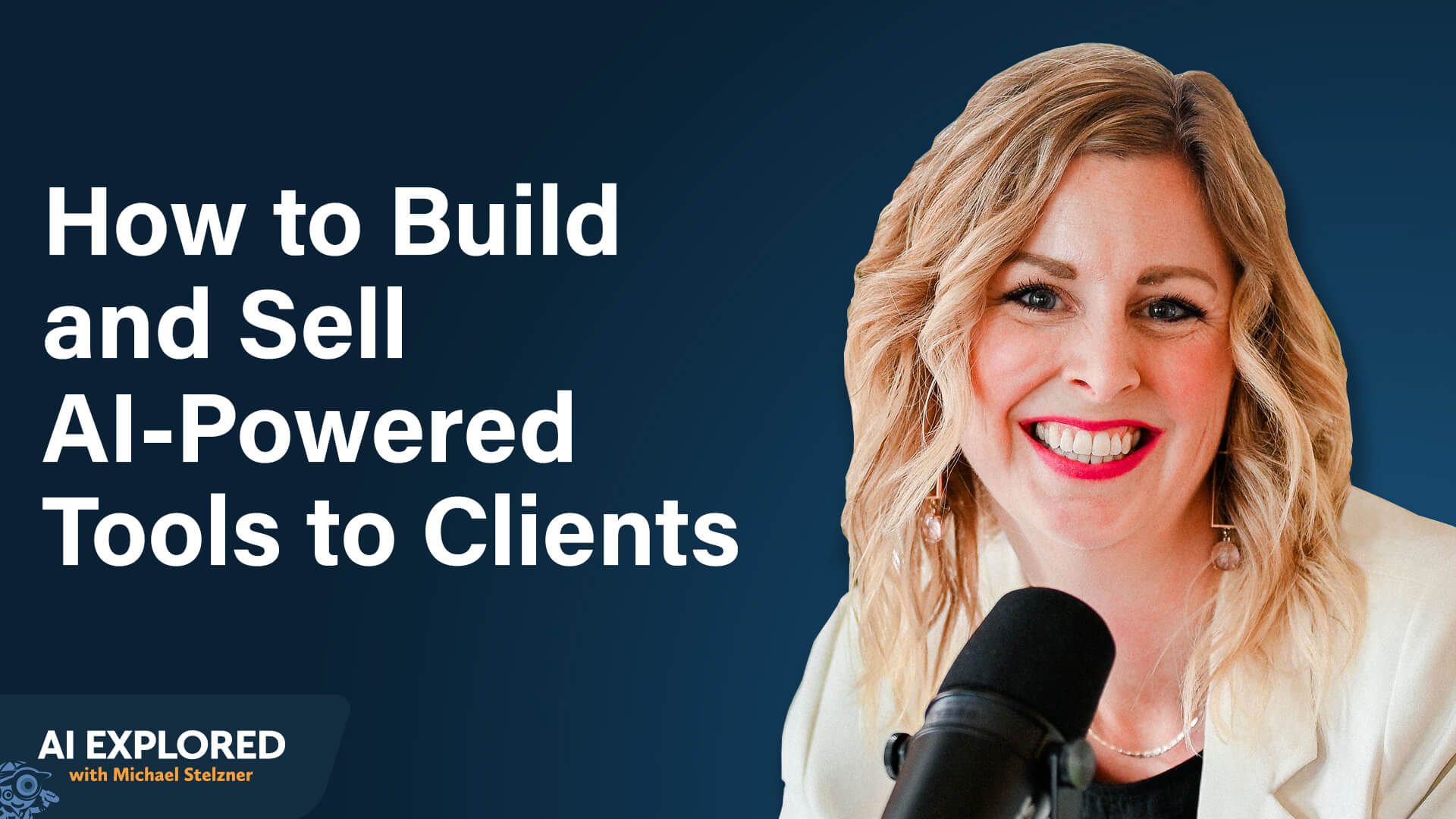
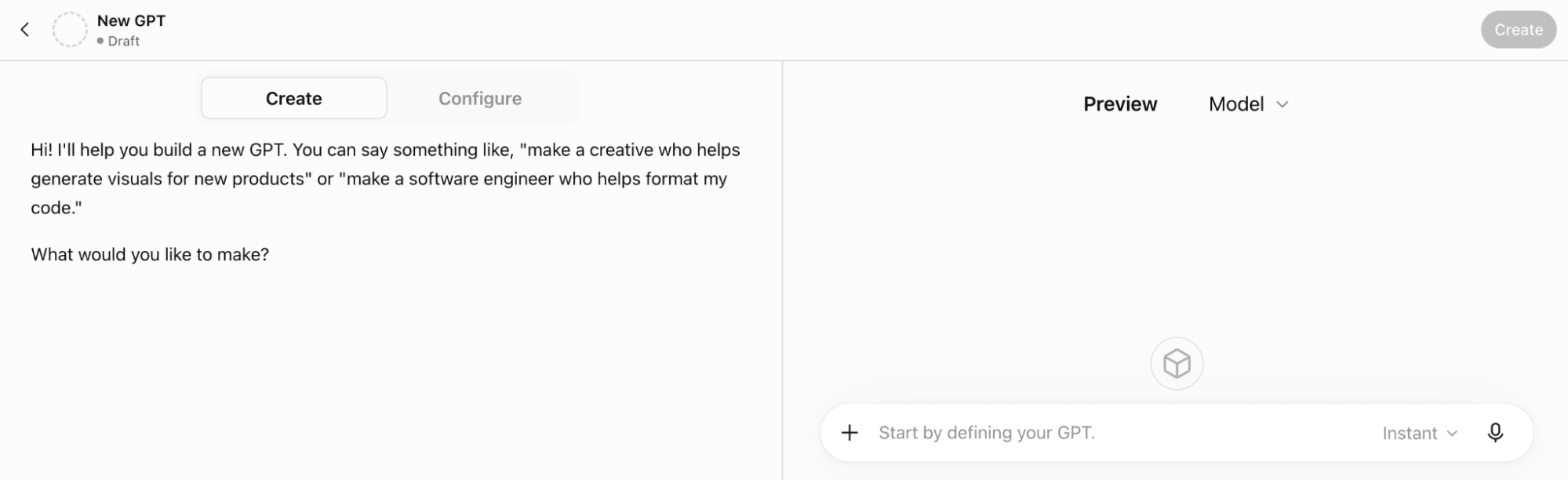
Built directly within ChatGPT, Custom GPTs represent the lowest barrier to entry. Creators can spin them up conversationally by mapping out the IPO framework. However, their limitations are substantial. Custom GPTs are inherently siloed. For multi-step workflows, users are often forced to juggle PDF links, copying and pasting outputs from one GPT into another. Furthermore, access control is notoriously weak; while they can be shared via private links, revoking access when a client leaves a membership program requires cumbersome workarounds like frequent password rotations or manual link updates. They are best utilized as low-stakes proofs of concept.
2. Claude Skills
Representing a significant technical upgrade, Claude Skills enable multi-agent orchestration—allowing several specialized processes to occur seamlessly within a single connected workflow. Moreover, the format is increasingly portable, supported across multiple platform ecosystems. For membership site owners, this model aligns perfectly with recurring subscription revenue, as creators can continuously update skills as their methodology evolves. The primary tradeoff is intellectual property exposure: deploying a skill often involves distributing structured folders of prompts and instructions that technically reveal the creator’s underlying logic.

3. Custom Software via "Vibe Coding"
For entrepreneurs aiming to build standalone applications, modern no-code and AI-assisted coding platforms (such as Lovable, Claude Code, and OpenAI Codex) allow non-technical founders to "vibe code" fully functional software applications. Success at this level depends far more on clear communication, logical organization, and sequential thinking than on computer science expertise. AI generates the code, while the expert provides the architectural vision.
However, running standalone software introduces SaaS-level responsibilities: data isolation, multi-tenancy architecture, strict security compliance, and ongoing user management. Platforms like wAIv (by Gravia Studio) have recently emerged to solve these exact friction points, allowing creators to manage multi-step bot squads, provision client access dashboards, and dynamically route tasks to the most cost-effective Large Language Models (such as leveraging lightweight models for simple intake and frontier models for complex analysis).
Conclusion: The Imperative of Rigorous Testing
As the digital economy transitions from static education to active, AI-driven implementation, experts who cling exclusively to traditional courses risk obsolescence. By diagnosing client friction points, structuring intellectual property through the IPO framework, and selecting the optimal deployment vehicle, modern practitioners can successfully convert what they know into high-value software assets.
Yet, a final caveat remains paramount: rigorous testing. Because generative AI outputs are fundamentally non-deterministic, identical prompts can yield varying results across different sessions. When scaled across dozens or hundreds of clients inputting disparate data, this variability multiplies. Creators must stress-test their tools with a diverse array of realistic user inputs, establishing rigorous guardrails and prompt refinements to ensure that outputs consistently meet professional standards. Those who master this balance will not only command premium pricing in the marketplace but will fundamentally redefine the future of professional service delivery.