In the rapidly shifting landscape of direct-to-consumer (D2C) e-commerce, scaling a business often forces a difficult choice: adapt your operations to fit the rigid workflows of enterprise software platforms, or accept massive financial overhead to maintain your brand’s independence. For UK- and Netherlands-based personal care brand grüum, this dilemma came to a head in 2023. Processing up to 80,000 orders a month with a lean team—including just one full-time developer—the company reached a crucial strategic milestone. They needed to evaluate whether their foundational e-commerce engine, WooCommerce, could support their aggressive growth trajectory, or if a migration to an enterprise-tier proprietary platform was inevitable.
Following a rigorous four-month internal audit, grüum made a definitive choice: they decided to stay right where they were.
This deep-dive investigation explores grüum’s journey from a modest 10-product startup launched in 2016 to an international e-commerce operation handling roughly 300 SKUs. It examines why alternative platforms like Adobe Commerce (Magento) and Shopify Plus failed to meet their operational needs, how open-source architecture preserved their unique subscription and bundling models, and why retaining absolute ownership of customer data remains non-negotiable for modern sustainable brands.
Detailed Chronology: From Garage Startup to Multi-Million-Dollar Enterprise
The Genesis (2016)
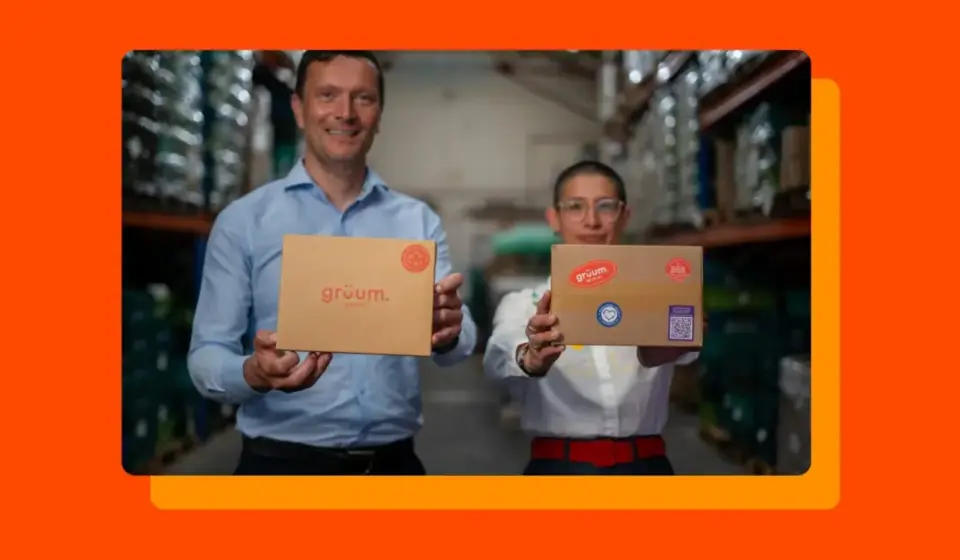
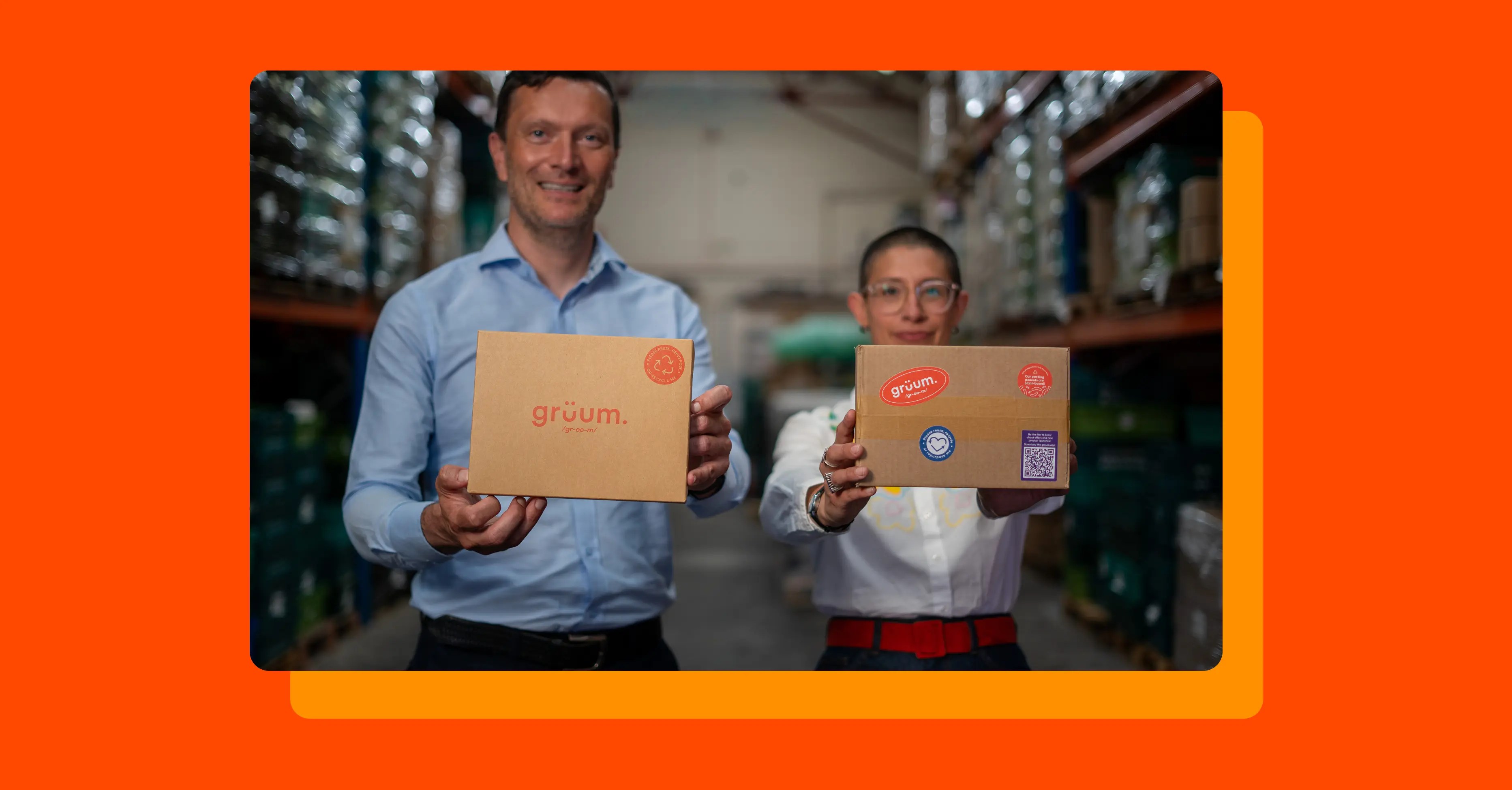
The story of grüum begins in January 2016, when four former colleagues—Simon Leonard, Andy Shaw, Bethanie Sleigh, and George Lagonikas—decided to walk away from traditional corporate employment to build something entirely their own. Operating across the United Kingdom and the Netherlands, the co-founders shared a unified vision: to disrupt the personal care market by cutting out unnecessary chemicals, excess packaging, and misleading marketing.
By September 2016, grüum officially launched with a modest catalog of roughly 10 products. Initially, the brand targeted male skincare and traditional shaving accessories. However, the founders quickly realized that their design philosophy—rooted in minimalism, sustainability, and high utility—appealed to a much broader demographic.
Expanding the Catalog and In-House Manufacturing
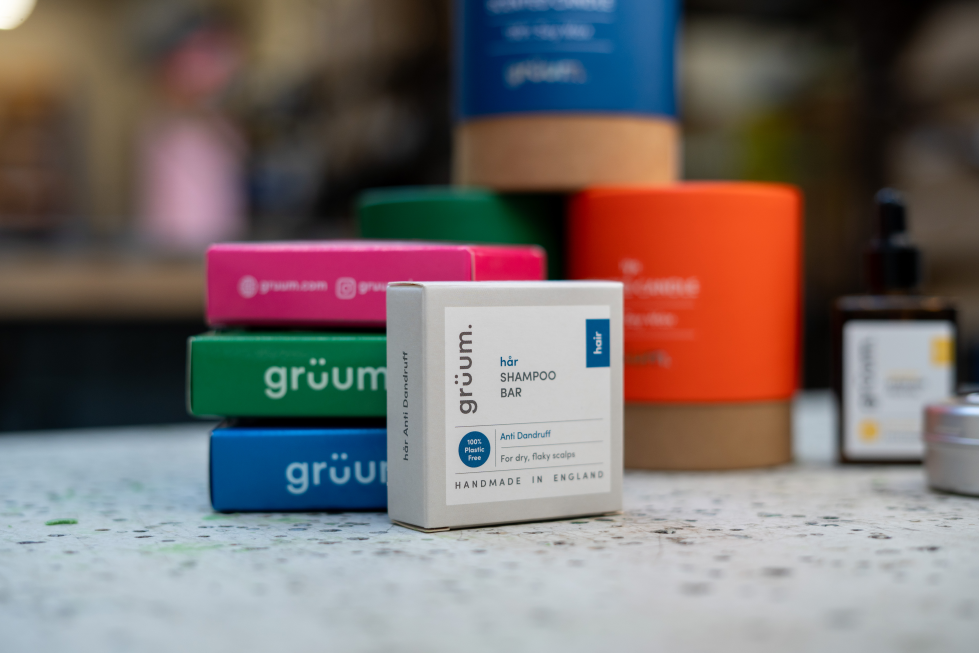
Over the subsequent years, grüum expanded far beyond its initial niche. Today, the brand manufactures an extensive array of skincare, haircare, bodycare, and shaving essentials tailored for all ages and genders. Uniquely, grüum keeps its manufacturing close to home, producing its goods in-house in Stockport, UK.
Central to this operational model is their commitment to cutting-edge product development. Rather than outsourcing formulation to third-party contract manufacturers, grüum employs cosmetic scientists in-house. This allows the team to invent, test, and iterate formulations internally.
This vertical integration has yielded massive commercial successes. Most notably, grüum’s flagship waterless shampoo bar has achieved viral popularity, selling millions of units worldwide and redefining how eco-conscious consumers approach daily hair care.
The 2023 Infrastructure Audit
By 2023, grüum had evolved into a high-volume enterprise. The brand was routinely processing up to 80,000 orders a month. Yet, remarkably, their digital storefront was managed by a remarkably lean technical team: one full-time developer and a part-time QA tester.
As transaction volumes surged, the leadership team initiated a comprehensive audit of their technical stack. They wanted to answer a fundamental question: Is WooCommerce capable of scaling smoothly alongside our long-term ambitions, or will we outgrow it?
After four intensive months of stress-testing alternative software, analyzing cost structures, and mapping out workflow flexibilities, the founders reached an unexpected conclusion in the modern SaaS era: open-source WooCommerce was not a stepping stone to be outgrown—it was the ultimate destination.
Supporting Context & Metrics: The Mechanics of Scale
Managing 80,000 monthly orders across roughly 300 complex SKUs requires an e-commerce platform capable of handling intricate business logic without sacrificing site speed or front-end user experience. For grüum, scale is not merely a matter of transaction volume; it is defined by product configuration flexibility.
Complex Bundling and Subscription Architecture
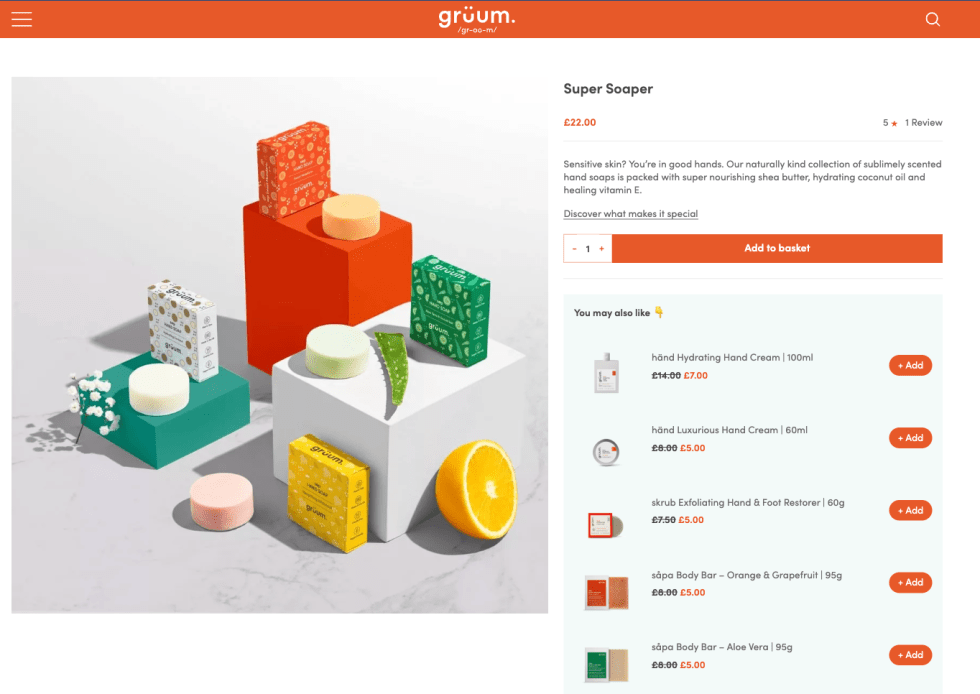
grüum’s product catalog is characterized by creative flexibility. Customers can buy items individually, sign up for automated subscription plans, or purchase highly customized product bundles.
According to co-founder Bethanie Sleigh, the brand utilizes non-traditional product architectures. "We have lots of strange ways we set products up," Sleigh notes. For instance, grüum’s proprietary bundles manage "the contents, the pricing, and stock management" as a single, cohesive configurable unit.
A consumer might purchase a curated soap set, append individual add-on items to the same cart, and enroll specific items into an automated subscription schedule to maximize discounts. This level of transactional customizability is vital for driving Average Order Value (AOV) and Customer Lifetime Value (CLV).
The Subscription Economy and Cost Efficiency
Subscriptions are a pillar of grüum’s business model, currently accounting for 10 percent of total revenue. More importantly, grüum’s customer retention metrics are stellar: the average subscriber remains active on a plan for 30 months.
At this scale, subscription infrastructure costs are make-or-break. Many proprietary Software-as-a-Service (SaaS) platforms impose punitive fee structures, taking a direct percentage cut of every subscription transaction processed through the storefront.
Simon Leonard ran the financial projections for migrating to competitors like Shopify Plus:
"When you’re doing £1 million or £10 million through subscriptions, that soon adds up. You’re instantly shelling out £100,000 a year."
By utilizing WooCommerce Subscriptions, which operates on a predictable flat-fee model, grüum eliminated parasitic revenue-sharing costs. Multiplied across thousands of active subscribers over a 30-month retention cycle, the savings amount to hundreds of thousands of pounds directly reinvested back into research, development, and sustainable sourcing.
Lean Human Resources & Development Velocity
Despite processing enterprise-level volume, grüum operates with an astonishingly small digital team. Day-to-day site administration—including product launches, promotional campaigns, and seasonal updates—is handled entirely by a content team using native WordPress tools.
Using the Gutenberg block editor for dynamic page building, Max Mega Menu for intuitive navigation, and Yoast for search engine optimization (SEO), the content team operates autonomously. They do not require code deployment for marketing initiatives.
Meanwhile, grüum’s development pipeline moves at breakneck speed. The company’s CTO estimated that tasks requiring an entire year of engineering on legacy enterprise architectures could be prototyped, tested, and deployed within a single month on WooCommerce. This unmatched time-to-market agility drastically reduces operational overhead and technical debt.
Official Statements & Platform Comparisons
Why did competing platforms fail grüum’s strict operational audit? The leadership team’s direct experiences with Adobe Commerce and Shopify Plus shed light on the structural limitations of closed ecosystem software.
The Rejection of Adobe Commerce (Magento)
Magento—now Adobe Commerce following its acquisition by software giant Adobe—was the first platform eliminated during the 2023 review.
Adobe Commerce is undeniably powerful, designed explicitly for massive enterprise operations requiring deep customization. However, that power comes with staggering operational overhead. It demands a dedicated, specialized engineering squad dedicated strictly to platform maintenance, security patching, server optimization, and performance tuning.
For grüum, adding a large technical support staff was economically unjustifiable. As Simon Leonard succinctly put it:
"We weren’t going to employ a team of 20 people running our website."
The Limits of Shopify Plus
Shopify Plus presented a different, yet equally restrictive, set of challenges. While celebrated for its out-of-the-box simplicity, Shopify Plus enforces rigid boundaries regarding back-end data architecture and workflow customization.
When grüum attempted to model their unique product bundling and conditional subscription logic within Shopify Plus’s constraints, they hit a brick wall. The platform could not support their specific inventory and pricing structures without forcing fundamental changes to how the company did business.
Simon Leonard contrasted this rigidity with the freedom of open-source software:
"We were going to have to change our business to fit into that business. With WooCommerce, we can make WooCommerce fit around our business and make it work for us. We don’t have to change our principles."
Because WooCommerce is built on an open-source framework, grüum was never boxed in by default configurations. If a specific bundle demanded complex conditional logic, an existing extension could be integrated, or their developer could write a custom script. For businesses with specialized supply chains or product catalogs, this flexibility is the difference between operational harmony and constant friction.
Future Outlook: Data Sovereignty and Independent Growth
As direct-to-consumer brands navigate an increasingly privacy-regulated digital economy, data ownership has emerged as the ultimate competitive moat. Many third-party e-commerce ecosystems obfuscate customer data, gatekeep user behavior analytics, or complicate data portability should a merchant decide to migrate.
grüum views its customer data as sacred intellectual property. With an average subscriber lifespan of 2.5 years (30 months), the brand maintains deep, intimate relationships with its consumer base. Purchase histories, personal skincare preferences, and seasonal buying habits remain securely stored within grüum’s proprietary database—never locked inside a third-party walled garden.
Reflecting on the permanence of their architectural choice, Simon Leonard confirmed:
"If we ever left WooCommerce—I don’t think we will—the data is ours, which is quite different from other subscription platforms. It gives us control over our customers rather than giving them to a third party."
Conclusion: A Blueprint for Sustainable E-Commerce
The case study of grüum challenges the prevailing Silicon Valley myth that high-growth e-commerce brands must eventually graduate to expensive, closed-source SaaS monoliths. By pairing sustainable, in-house manufacturing principles with the infinite extensibility of WooCommerce, grüum has engineered a resilient, cost-effective digital infrastructure.
Processing tens of thousands of monthly orders with a fractional technical footprint proves that when your technology adapts to your business—rather than the other way around—operational efficiency and sustainable growth can coexist without compromise.