Strengthening the Core: Inside WooCommerce’s Ambitious Three-Month Open-Source Overhaul

Executive Overview
In the fast-paced ecosystem of digital commerce, technical debt is an inevitable byproduct of hyper-growth. For open-source platforms powering millions of online businesses, balancing the relentless demand for shiny new features with the unglamorous, foundational work of bug fixing and performance optimization is a perpetual tightrope walk. Today, the team behind WooCommerce—the ubiquitous open-source e-commerce solution built on WordPress—has announced a decisive shift in strategy.
For the next quarter, the vast majority of WooCommerce’s product and engineering firepower will pivot away from major new feature development. Instead, they are locking focus onto a singular, high-stakes objective: the core plugin itself.
Initiated to clear out a massive backlog of community-submitted issues and pull requests, this transparent, open-source campaign—dubbed "Woo Foundations"—aims to re-evaluate every lingering bug, technical bottleneck, and enhancement request currently sitting in their public GitHub repository. With over 2,300 open issues and 500 open pull requests weighing down the platform, leadership has decided that the best way to prepare for the future is to meticulously repair the present.
While core development hunkers down to streamline the engine, critical operations surrounding monetization pathways like WooPayments and artificial intelligence (Woo AI) will continue to evolve in parallel. Ultimately, this three-month sprint represents more than just a routine code clean-up; it is a strategic investment in the foundational architecture of the global web economy, executed entirely in the public eye.
Detailed Chronology: Anatomy of a Backlog and the Road to the Overhaul
To understand the scale of the current endeavor, one must look closely at how the WooCommerce repository has evolved over years of rapid iteration. As WooCommerce expanded to become the underlying infrastructure for a massive share of the world’s top-performing e-commerce stores, its codebase grew exponentially. Extensions hooked into it, customized themes rendered content through it, and third-party developers built entire agencies around its APIs.
However, this explosive growth came with a hidden cost. Over time, the sheer volume of community feedback—submitted by merchants navigating checkout friction, developers wrestling with custom hooks, and agencies scaling multi-million-dollar storefronts—outpaced the engineering team’s bandwidth to resolve them.
When the WooCommerce team formally initiated this strategic pivot, the metrics on their public GitHub repository painted a stark picture:
- Over 2,300 open issues, spanning localized bugs, performance inefficiencies, and feature requests.
- Over 500 open pull requests, representing code contributions from the global developer community waiting for review, integration, or feedback.
Recognizing that this backlog was, in essence, a prioritized to-do list written by the very people who build and run stores every day, leadership resolved to change course. Rather than letting these tickets languish indefinitely, the engineering and product departments have instituted a rigorous triage process. Every single open item is currently being manually reviewed by a product specialist.
Every ticket receives a definitive status update, ensuring that contributors and merchants are no longer left in the dark. Issues are being systematically categorized, addressed, fixed, or archived with transparent reasoning. This intensive review process marks a cultural shift within the project—one that places community-driven feedback at the absolute center of product evolution.
Supporting Context & Metrics: Why the Core Must Come First
In software development, there is an ongoing ideological battle between shipping fast and building sustainably. For a platform as deeply integrated as WooCommerce, architectural stability is paramount. WooCommerce does not exist in a vacuum; it sits at the crossroads of the entire WordPress ecosystem.
The Ripple Effect of Core Stability
Every online store running on WooCommerce relies on the core plugin as its beating heart. When the core is optimized, lightweight, and predictable, the benefits ripple outward across the entire technological stack:
- Third-Party Extensions: Developers building payment gateways, shipping calculators, and inventory management tools can rely on stable hooks and APIs, reducing the frequency of breaking updates.
- Theme Rendering: Frontend designers can build faster, more responsive storefronts without wrestling with legacy code quirks or unexpected database queries.
- Merchant Peace of Mind: Store owners experience fewer checkout interruptions, smoother administrative workflows, and a more reliable day-to-day operating environment.
By pausing major new commercial initiatives for an entire quarter, Automattic and the WooCommerce engineering collective are signaling a profound commitment to long-term health over short-term marketing wins. Time invested in the core today pays compound interest across the platform tomorrow, enabling future releases to ship with significantly higher velocity and confidence.
The WordPress Superpower
A core tenet guiding this multi-month campaign is the deep, symbiotic relationship between WooCommerce and WordPress. The engineering teams are actively leaning into the reality that every WooCommerce store is, fundamentally, a full-fledged WordPress website.
Rather than treating the e-commerce engine and the content management system as separate entities sharing a server, the teams are working in close collaboration with core WordPress contributors to bridge the gap. The goal is to create a unified, frictionless user experience where store management and content publishing feel like facets of a single, coherent product rather than disparate plugins functioning as uncomfortable neighbors.
Official Statements and Strategic Scope
In statements released alongside the launch of the campaign, platform leadership emphasized that transparency is the bedrock of the entire operation. Beau Lebens, Artistic Director and overall Lead for WooCommerce—a veteran systems architect with over 25 years of industry experience, including a decade at Automattic building WordPress.com, Jetpack, and WooCommerce itself—underscored the significance of building in public.

"We just kicked off a large effort, and I want to post about it here because you’re going to see it happen in the open," Lebens noted. He framed the vast GitHub backlog not as an embarrassment of unattended tickets, but as a collaborative roadmap crafted by merchants, developers, and digital agencies who took the time to diagnose and report real-world friction points.
What Stays, What Changes
While the primary engineering corps dives deep into the core plugin backlog, business continuity remains a priority for high-growth sectors of the platform. Management has clarified the operational boundaries for the duration of the three-month sprint:
- The Core Focus: The majority of product and engineering teams are dedicated exclusively to cleaning up, refactoring, and optimizing the core WooCommerce plugin.
- Parallel Innovation: Work on critical, forward-looking features—specifically WooPayments and Woo AI—will continue uninterrupted. These projects represent vital financial and technological frontiers for merchants, and their respective release schedules and updates will be communicated through separate channels.
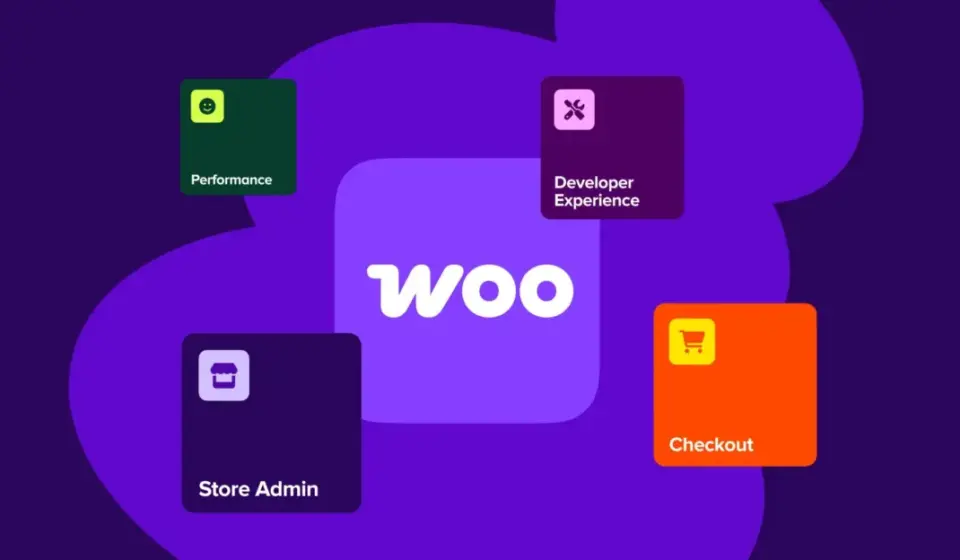
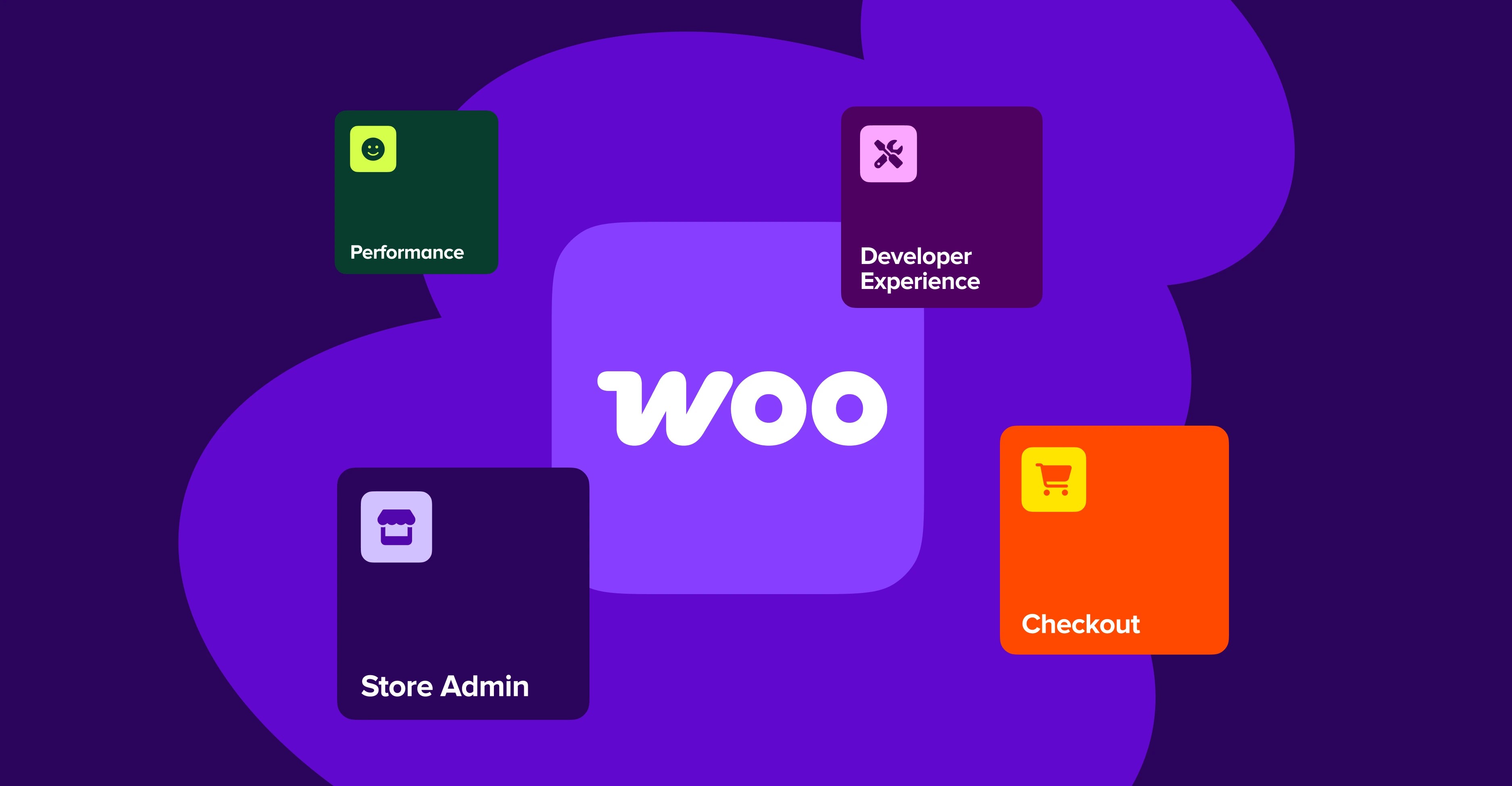
- Customer-Led Groupings: The triage and remediation work are being structured around four distinct functional areas, directly reflecting the pain points most frequently cited by merchants and developers.
Future Outlook: A Community-Driven Horizon
As the three-month campaign unfolds on GitHub, the WooCommerce team has issued an open invitation to the global community. Store owners, freelance developers, and agency leads are encouraged to monitor the repository, track pull requests, and participate in discussions.
For users who have previously submitted bug reports or feature requests that remain open, action is anticipated. If an issue is still active, community members will receive direct updates from the product team. Furthermore, the platform has maintained an open-door policy regarding closed tickets: if a community member believes an issue was prematurely dismissed, they are invited to provide additional context in the comments to prompt a re-evaluation.
A Call to Action for the Ecosystem
For years, digital agencies and independent store owners have occasionally harbored frustrations regarding legacy bugs, cumbersome administrative workflows, or missing developer hooks. Leadership asserts that there has never been a more opportune moment to surface those grievances. By filing new issues or bumping lingering legacy tickets on GitHub, community members have a direct line to influence the immediate trajectory of the software.
WooCommerce was never built in a corporate vacuum; it was forged by a decentralized, passionate community of makers, sellers, and coders. By dedicating an entire quarter to systematically resolving community grievances in plain sight, WooCommerce is not only paying off its technical debt—it is reaffirming the collaborative spirit that made it the world’s leading open-source e-commerce platform in the first place.
As the sprint progresses, the results will be measured not just in closed GitHub tickets, but in the renewed speed, stability, and seamless harmony of millions of online storefronts worldwide.