The Architecture of Modern B2B Marketing: A Comprehensive Analysis of LinkedIn’s AI Transformation, Creator Ecosystem, and Ad Infrastructure

Executive Overview
LinkedIn has undergone a profound structural shift, evolving from a professional networking and resume-hosting repository into a highly sophisticated, AI-driven media engine and Account-Based Marketing (ABM) platform. As B2B buying committees expand and traditional demand-generation playbooks encounter rising acquisition costs and privacy-driven signal loss, LinkedIn’s ecosystem has become central to enterprise growth strategies. With advertising revenues projected to jump from $5.91 billion in 2022 to over $10.35 billion by 2027, the platform continues to capture an increasing share of global enterprise ad spend.
This acceleration is driven by structural updates to LinkedIn’s ad stack, content algorithm, and attribution infrastructure. Key advancements—including generative AI campaign generation, continuous feed re-architecting for Large Language Model (LLM) retrieval, first-party data integrations via the Conversions API (CAPI), and expanded creator monetization programs like BrandLink—reflect a clear imperative: marketers must move past superficial engagement metrics and focus on verified, account-level revenue impact.
This comprehensive analysis examines LinkedIn’s recent technical deployments, algorithmic shifts, and measurement upgrades, providing enterprise leaders and media planners with a strategic roadmap for navigating the modern professional landscape.
Detailed Chronology of Platform Innovations & Feature Deployments
Over the past two years, LinkedIn has systematically upgraded its infrastructure across four primary pillars: campaign automation, attribution intelligence, high-impact ad formats, and creator-driven video distribution.
                                  LINKEDIN PLATFORM EVOLUTION

   CAMPAIGN AUTOMATION             ATTRIBUTION & ANALYTICS           HIGH-IMPACT AD FORMATS            CREATOR & VIDEO ECOSYSTEM
   -------------------             -----------------------           ----------------------            -------------------------
   • Accelerate AI Campaigns       • Companies Hub (ABM)             • First-Impression Ads            • BrandLink Pre-Rolls
   • Auto-Targeting & AI Drafts    • Conversions API (CAPI)          • Reserved Feeds & CTV            • Thought Leader Event Ads
   • Brand Kits & Integrations     • Company Intelligence API        • Frequency Capping (3-30/7d)     • AI Recommended Clips
   • Premium All-in-One (SMB)      • Conversion Lift Testing         • Off-Platform Event Ads          • Collaborative Posts (Up to 5)
1. AI Automation and Content Production Mechanics
To lower the operational friction of asset production and media planning, LinkedIn has embedded generative AI throughout its Campaign Manager toolset.
- Accelerate Campaigns: Designed as an automated campaign objective, Accelerate leverages generative AI to analyze an advertiser’s destination URL, target account lists, and historic assets to automatically assemble targeting parameters, visual creatives, and copy variants. The workflow dramatically condenses launch times while continuously auto-optimizing bid strategies for lead generation and site conversions.
- Draft with AI and Integrated Brand Kits: Within Campaign Manager, advertisers can generate contextually tailored headlines, introductory text, and image pairings utilizing native AI connected directly to asset libraries like Shutterstock. To ensure brand consistency, LinkedIn introduced centralized Brand Kits, enabling teams to lock in corporate logos, brand color palettes, fonts, and visual guidelines that the AI strictly enforces during asset creation.
- Third-Party Creative Integrations: Direct workflow integrations with graphic platforms such as Canva and Adobe Express allow creative teams to build platform-tailored ad units—including carousels, video, and single-image formats—and export them straight into LinkedIn Campaign Manager.
- Premium All-in-One for Small Business: Addressing smaller business operations and solopreneurs, LinkedIn consolidated fragmented toolsets into a single subscription bundle (~$100/month). This offering packages Sales Navigator prospecting, job posting capabilities, post-boosting credits, and AI-assisted messaging into a unified environment.
2. ABM, Attribution, and Data Integration Upgrades
Recognizing that enterprise sales cycles involve multi-member buying committees and lengthy sales pipelines, LinkedIn updated its measurement architecture to address privacy adjustments and signal degradation.
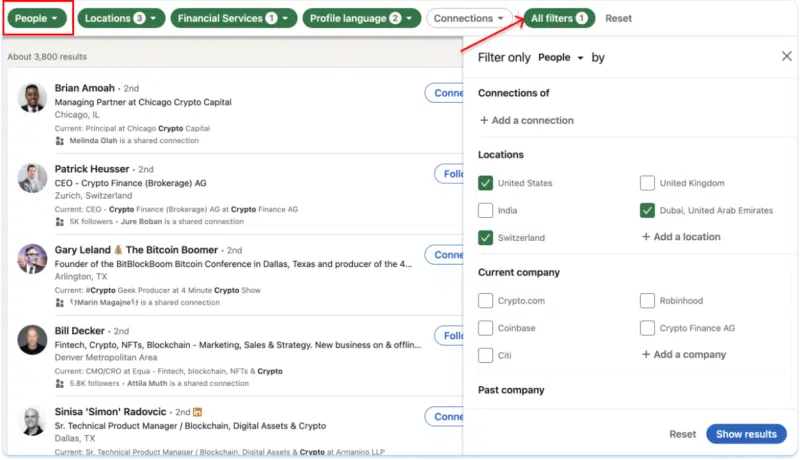
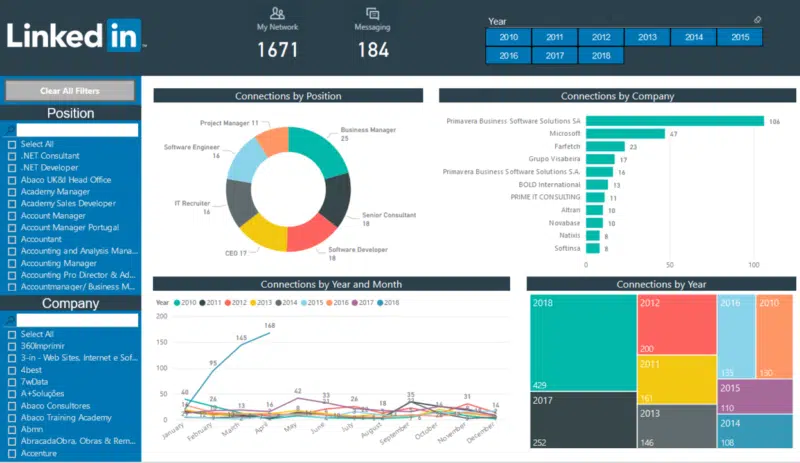
- Companies Hub in Campaign Manager: Serves as a centralized analytics dashboard tracking target accounts across both paid ad touchpoints and organic brand engagement. Marketers can visualize which specific companies are engaging with their content, giving account-based marketing teams clear target signals.
- Conversions API (CAPI) & Server-Side Tracking: By linking an advertiser’s server directly to LinkedIn, CAPI bypasses browser-based tracking limitations, ad blockers, and cookie degradation. This ensures accurate attribution for off-platform conversions, trial signups, and downstream CRM milestones.
- Company Intelligence API: Designed to solve complex enterprise attribution gaps, this API streams LinkedIn campaign interaction data—such as account-level impressions and clicks—directly into third-party analytics platforms (including Channel99, Octane11, Factors.ai, and Dreamdata). Marketers can cross-reference platform engagement directly with CRM pipeline updates to measure true return on ad spend (ROAS).
- Revenue Attribution Reports (RAR) & Company Attribution: By establishing continuous data pipelines with CRM platforms like Salesforce, HubSpot, and Microsoft Dynamics, LinkedIn can match pipeline opportunities and deal values to ad exposure across account groups, quantifying revenue influence over time.
- Incremental Conversion Lift Testing: Advertisers can run scientific hold-out experiments that divide target audiences into exposed and non-exposed groups. This isolates incremental conversions driven explicitly by LinkedIn media from conversions that would have occurred organically.
- Qualified Leads Optimization: Rather than optimizing purely for volume, this feature uses CRM feedback loops—matching at least five qualified lead signals bi-weekly—to adjust ad delivery algorithms toward profiles matching high-intent converted buyers.
3. Inventory Expansion and Advanced Ad Delivery
To give media buyers greater control over ad exposure and brand messaging, LinkedIn released precise delivery controls and opened up premium placements.
- Frequency Capping: Marketers running brand awareness campaigns within Classic Campaign Manager can enforce hard frequency limits between 3 and 30 impressions per member over a rolling 7-day window across the LinkedIn feed, LinkedIn Audience Network, and Connected TV (CTV). This long-requested feature helps prevent creative fatigue and optimizes ad spend.
- First-Impression and Reserved Ads: High-impact brand launches can secure guaranteed placement using First-Impression Ads, which deliver a full-screen vertical video as the first ad a user views on a given day within a target country. Reserved Ads allow marketers to lock in the top slot in member feeds for Thought Leader Ads, Document Ads, and Single-Image formats.
- Connected TV (CTV) Inventory Expansion: Expanding beyond mobile and desktop, LinkedIn CTV Ads deliver video messaging on streaming devices. Key publisher partnerships—including Paramount and technical integrations via VAST tags with Innovid—enable precise account-based targeting on the living room screen.
- Off-Platform Event Ads: Event marketers can extend the reach of LinkedIn Event campaigns beyond the primary app via the LinkedIn Audience Network, maintaining LinkedIn targeting parameters while driving prospective attendees back to native event registration pages.
4. Creator Infrastructure, Video, and Co-Authoring Tools
As professional networking leans heavily into personal branding and authentic domain expertise, LinkedIn has built dedicated features to monetize, scale, and analyze creator and executive content.
- BrandLink Program Expansion: Rebranded and expanded from the initial Wire Program, BrandLink allows enterprise brands to run 15-second pre-roll video ads alongside verified creator content and tier-one publishers (e.g., Bloomberg, The Wall Street Journal, TED). The program has seen quarter-over-quarter ad revenues jump nearly 200%, with creator payouts tripling year-over-year.
- Thought Leader Event Ads: Building on Thought Leader Ads—which generate 1.6x higher engagement than static single-image ads—this unit enables companies to boost post content from executives, employees, or industry experts that links directly to an upcoming LinkedIn Event.
- Creator Marketplace & Reach Analytics: Situated directly in Campaign Manager, Creator Marketplace allows brands to source creators by niche topic, evaluate engagement metrics, and streamline sponsorship arrangements. On the creator side, post-level analytics now break down audience consumption between in-network connections and out-of-network recommendations, while tracking conversions tied to custom profile links.
- Collaborative Posts: Members and Company Pages can co-author single feed posts with up to five collaborators across text, video, poll, and document formats. The joint post displays dual bylines and streams directly to the combined networks of all authors.
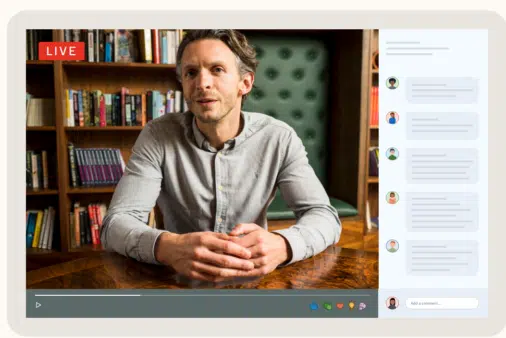
- AI-Powered Recommended Clips and Chapters: For post-event activation, LinkedIn Live features automated AI analysis that parses recorded broadcasts, suggests key highlight clips for organic or paid promotion, and formats navigateable chapters for replay viewers.
Supporting Context & Metric Breakdown
Understanding the operational efficiency of different content formats is vital for structuring a high-performing LinkedIn distribution model. Data compiled from industry research—including Metricool’s analysis of 47,735 business accounts and 577,180 posts—highlights clear performance trends across post types:
| Format Type | Reach Index vs. Baseline | Relative Engagement Profile | Primary Strategic Strategic Use-Case |
|---|---|---|---|
| Polls | Highest (3.5x Average) | High Participation / Low Conversions | Audience Segmentation & Top-of-Funnel Discovery |
| Carousels (PDF Documents) | High (2.2x Average) | Very High Click-Through / Save Rates | Educational Content, Frameworks & Product Showcases |
| Short Vertical Video | Accelerating (+36% YoY Watch Time) | High Brand Recall / Visual Storytelling | Product Demos, Executive Commentary & BrandLink Pre-Rolls |
| Text + Images | Baseline Standard | Moderate Comments / Moderate Shares | Routine Company Announcements & Content Links |
| Posts with External Links | Suppressed (~-40% Reach) | Low Platform Redistribution | Direct Conversion Traffic (Requires Paid Boosting) |
                              RELATIVE FORMAT REACH MULTIPLIER
                               (Baseline = Text + Image Post)

Polls                    [==================================================] 3.5x
Carousels / Documents    [======================================] 2.2x
Short Vertical Video     [==================================] 1.8x
Text + Image (Baseline)  [====================] 1.0x
Posts with Outbound Links[============] 0.6x
The Shift to LLM-Driven Feed Architecture
A fundamental driver behind these reach trends is LinkedIn’s updated feed ranking architecture. The platform has deployed Large Language Models (LLMs) to evaluate, categorize, and index post content based on conceptual depth and clarity.
Rather than relying purely on immediate click-bait or engagement loops (such as comments asking for "agree?"), the current ranking system favors posts structured around clear, answerable, and self-contained insights. Content that can be easily parsed, summarized, and extracted by AI engines receives distribution priority across both organic member feeds and contextual search query responses.
Strategic Rationale & Market Dynamics
The rapid expansion of LinkedIn’s product feature set addresses broader macro trends across the digital marketing ecosystem:
- Trust-Based Purchasing in B2B Groups: B2B purchasing decisions are rarely made by an individual; they are driven by consensus across buying committees of 6 to 10 stakeholders. According to recent B2B benchmark studies, 94% of enterprise marketers consider trust the primary variable in closing complex deals. Buyer trust shifts away from abstract corporate brands toward verified subject matter experts, driving the high performance of Thought Leader Ads and creator partnerships.
- Mitigating First-Party Signal Loss: The deprecation of third-party cookies, combined with heightened global privacy standards (GDPR, CCPA), has undermined traditional web retargeting. Upgrades like the Conversions API (CAPI) and Company Intelligence API establish secure, server-to-server data pipelines that preserve measurement accuracy while maintaining compliance.
- Demographic Evolution: Over 50% of LinkedIn’s daily traffic now originates from professionals aged 25 to 34. This shift has altered content consumption habits, accelerating the growth of vertical video, mobile-first feeds, and informal, executive-led content over traditional corporate press releases.
Future Outlook & Marketer Playbook
LinkedIn’s trajectory confirms its positioning as an essential infrastructure platform for modern B2B growth. As AI integration deepens and creator formats mature, marketing teams should adjust their operational strategies accordingly:
                                    NEXT-GEN LINKEDIN PLAYBOOK

       FORMAT STRATEGY                   DATA & MEASUREMENT                 CREATOR AMPLIFICATION
       ---------------                   ------------------                 ---------------------
  • Shift to PDF Carousels & Video  • Implement CAPI Server-Side        • Operationalize Executive Brands
  • Eliminate Outbound Link Bait    • Connect CRM to Revenue Reports    • Deploy Thought Leader Event Ads
  • Structure Posts for AI Retrieval• Use Incrementality Lift Tests    • Co-Author via Collaborative Posts
1. Re-Architect Content for AI Feed Retrieval
- Prioritize Semantic Clarity: Draft posts focusing on distinct ideas, clear frameworks, and structured commentary. Avoid generic engagement bait; feed algorithms evaluate content based on its informational value and clarity.
- Optimize Format Distribution: Utilize PDF carousels for deep educational content and vertical short-form video for top-of-funnel reach. Keep posts containing outbound links contained within paid conversion campaigns or place destination links contextually inside follow-up comments and creator custom profile buttons.
2. Transition from Direct Response to Account-Based Attribution
- Establish First-Party Data Pipelines: Implement the Conversions API (CAPI) to preserve conversion integrity across key downstream events.
- Connect CRM Systems to Revenue Reports: Utilize the Company Intelligence API and Revenue Attribution Reports to link media exposure directly to pipeline progression and closed-won revenue, moving beyond simple cost-per-click (CPC) metrics.
- Test for Incremental Lift: Periodically run Conversion Lift Studies to prove that paid spend is generating net-new pipeline additions rather than capturing existing organic demand.
3. Operationalize Executive and Creator Advocacy
- Scale Thought Leader Ads: Transition a portion of top-of-funnel media budgets away from generic corporate banner ads and toward boosting authentic posts from company leaders, product engineers, and industry partners.
- Leverage Collaborative Posts: Co-author content directly with client stakeholders, event speakers, and niche creators to tap into verified professional networks and double immediate audience distribution.
- Embrace Scalable Repurposing: Use post-event AI extraction tools—like Recommended Clips and Chapters—to quickly package long-form webinars into bite-sized paid ad assets.
By aligning media strategies with LinkedIn’s focus on verified account attribution, creator authenticity, and AI-driven content ranking, enterprise marketers can build a durable, high-ROI acquisition engine across the modern B2B buyer journey.