
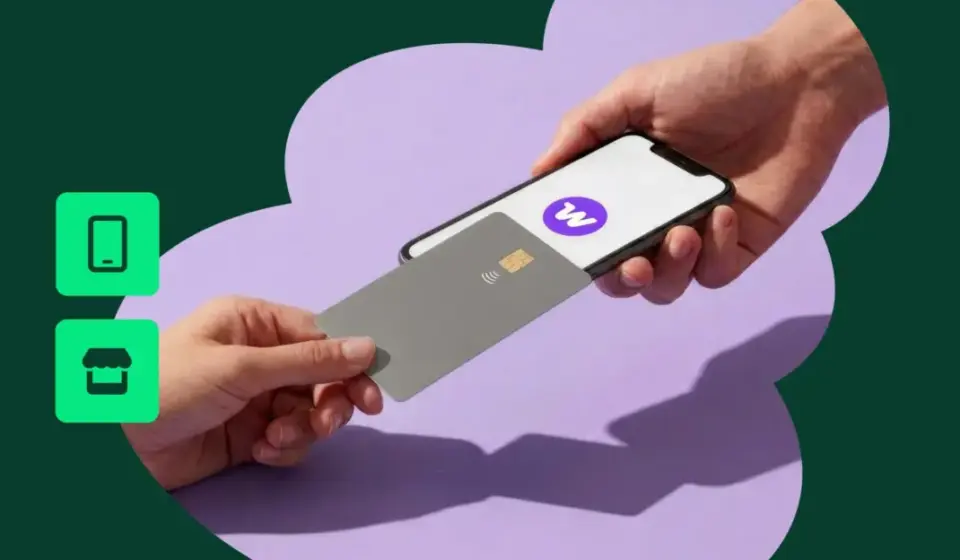
WooCommerce Brings Mobile-First Retail to the UK: iPhone POS Integration Redefines Omnichannel Commerce

Executive Overview
In a significant strategic expansion bridging the digital and physical retail landscapes, WooCommerce has officially launched its Point of Sale (POS) solution on the iPhone for merchants based in the United Kingdom. This rollout fundamentally transforms how British retailers—ranging from agile pop-up vendors and bustling market stall operators to established brick-and-mortar storefronts—manage transactions. By converting the smartphone already in a merchant’s pocket into a fully functioning, enterprise-grade cash register, WooCommerce is effectively democratizing advanced retail technology.
The core premise of the release is frictionless omnichannel synchronization. UK-based merchants can now seamlessly browse their entire digital catalog, build custom customer carts on the fly, and accept secure payments using nothing more than their iPhone. The system supports multiple payment modalities, including Apple’s native Tap to Pay on iPhone, traditional card readers like the WisePad 3, and traditional cash transactions. Crucially, every sale completed in the physical world syncs instantaneously back to the merchant’s central WooCommerce e-commerce database, eliminating inventory discrepancies, manual reconciliation headaches, and the silos that have historically plagued hybrid retail operations.
This development arrives at a critical juncture for the UK retail sector. As consumer expectations shift overwhelmingly toward rapid, contactless, and flexible payment methods, small and medium-sized enterprises (SMEs) face immense pressure to keep pace without incurring prohibitive hardware and software costs. By leveraging existing consumer hardware—specifically iPhones running iOS 26 or later—WooCommerce and its parent company, Automattic, have lowered the barrier to entry for mobile commerce. This comprehensive report explores the technical mechanics of the new UK integration, places the release within the broader context of the evolving fintech and retail ecosystems, examines the underlying architecture, and analyzes what this means for the future of omnichannel commerce.
Detailed Chronology: The Evolution to iPhone POS
To understand the weight of the United Kingdom iPhone POS launch, it is necessary to trace the developmental timeline of WooCommerce’s mobile strategy and its convergence with Apple’s hardware capabilities.
Laying the Digital Foundations
For years, WooCommerce functioned primarily as the premier e-commerce engine for WordPress, dominating the web-building landscape through its open-source flexibility. However, as merchants increasingly adopted hybrid business models—operating both online storefronts and physical pop-ups, markets, or permanent shops—the demand for a unified management system became glaringly apparent. Merchants were often forced to run disparate inventories: one for their website and another for their physical point-of-sale hardware. This mismatch frequently resulted in overselling, inventory miscounts, and fractured customer analytics.
Recognizing this operational friction, Automattic’s engineering teams—including specialized iOS developers like Gabriel Maldonado—began heavily investing in the WooCommerce mobile ecosystem. The strategy focused on transforming the WooCommerce mobile app from a passive dashboard for monitoring sales and order statuses into an active, operational tool capable of driving revenue at the point of sale.
The Rise of Tap to Pay Technology
A major catalyst for this transformation was Apple’s introduction of Tap to Pay on iPhone. By opening secure access to the iPhone’s Near Field Communication (NFC) chip via APIs, Apple enabled third-party software developers to turn compatible iPhones into secure payment terminals. No longer did merchants need to purchase dedicated, expensive card-reading dongles or bulky POS terminals; the phone itself could securely process contactless credit cards, debit cards, and digital wallets like Apple Pay.
WooCommerce quickly integrated these capabilities, laying the groundwork for hardware-free checkouts. However, regional regulatory compliance, banking partnerships, and localized payment gateways meant that rolling out these features required careful, phased deployment across different global markets.
The UK Launch
The United Kingdom represents one of the world’s most mature digital payment ecosystems, where cash usage has sharply declined in favor of contactless and mobile transactions. Recognizing the UK as an ideal proving ground for advanced mobile commerce, WooCommerce prioritized the region for its next major milestone.
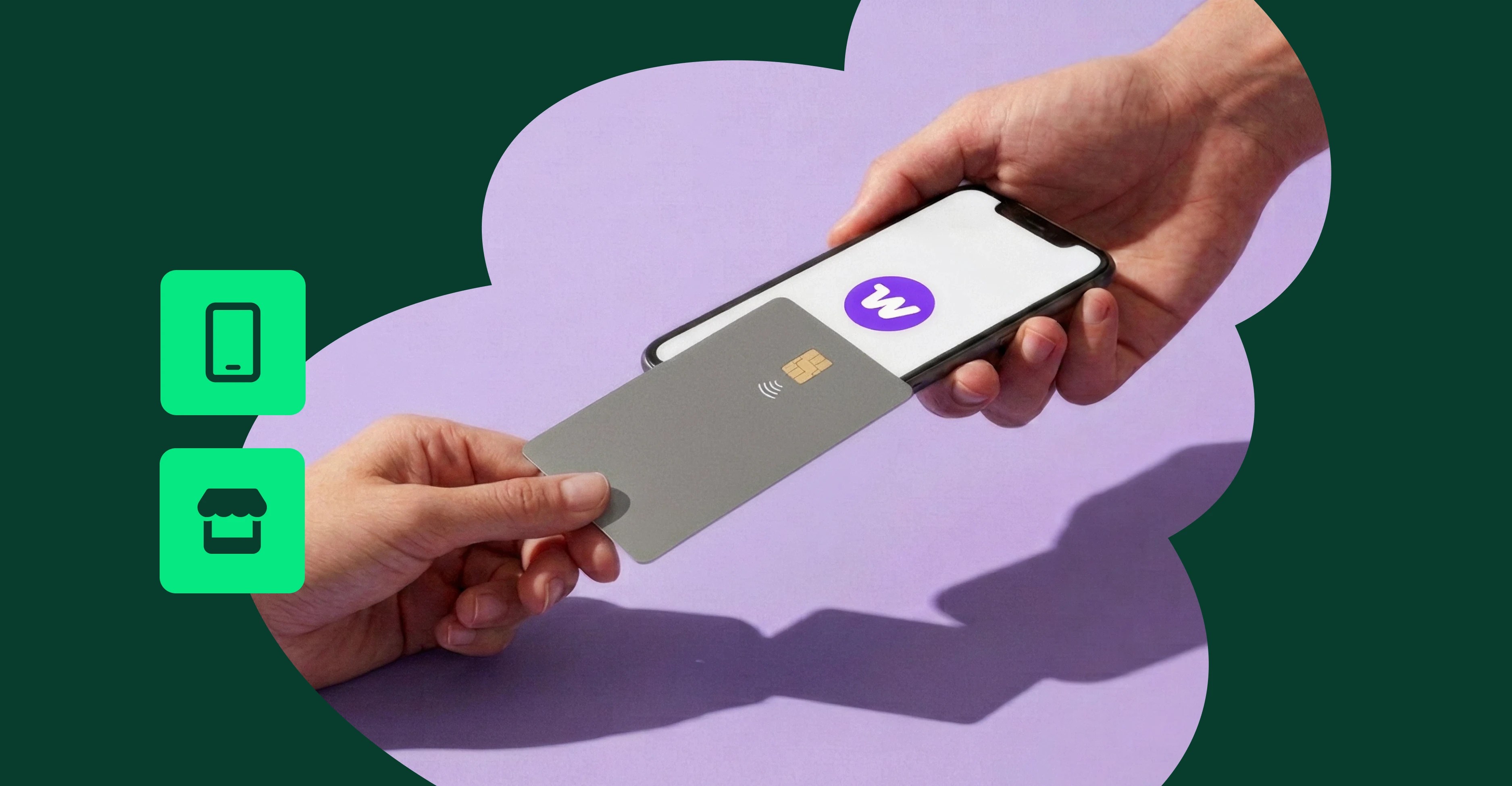
Released for merchants utilizing iPhones running iOS 26 or later, the integration requires a straightforward system update. Merchants simply update their WooCommerce mobile app to the latest version, navigate to the newly introduced POS tab, and watch as their existing digital product catalogs automatically load onto the device. Backed by robust payment processors such as WooPayments and Stripe, the UK release marks the culmination of years of iterative software development, merging backend e-commerce architecture with front-end mobile hardware innovation.
Supporting Context & Metrics: The UK Retail Landscape and Mobile Fintech
To fully appreciate the significance of the WooCommerce iPhone POS launch, one must examine the macroeconomic trends defining contemporary British retail and the technological metrics driving mobile payment adoption.
The Shift Toward Cashless and Contactless Commerce
The United Kingdom has long been at the vanguard of the global transition away from physical cash. According to industry data from UK Finance and various retail research bodies, contactless payments account for the vast majority of in-store transactions across the British Isles. Consumers increasingly expect micro-merchants, food trucks, craft vendors, and boutique shops to offer frictionless digital payment options.
Historically, however, smaller merchants faced structural barriers when attempting to meet these expectations:
- Hardware Costs: Traditional POS terminals involve monthly rental fees, purchase costs for dedicated hardware, and complex setup procedures.
- Transaction Friction: Juggling separate systems for online orders and in-person sales often led to administrative bottlenecks.
- Connectivity Issues: Many mobile vendors operating at outdoor markets or temporary pop-ups struggled with unreliable Wi-Fi connections required by older terminal setups.
The Economics of Hardware-Free POS
By eliminating the need for dedicated hardware, WooCommerce’s iPhone POS integration directly addresses these pain points. The economic implications for a small UK business are profound:
- Reduced Capital Expenditure: By utilizing the iPhone that the business owner or staff member already carries, the initial investment required to launch a physical retail operation drops near zero.
- Operational Efficiency: Training staff is streamlined. Because the interface mirrors the familiar WooCommerce dashboard and utilizes the smartphone environment, employees can master cart-building and checkout processes in minutes.
- Real-Time Data Visibility: In traditional setups, end-of-day reconciliation required manually matching card terminal batches with cash drawers and e-commerce records. Instant synchronization ensures that inventory levels, sales reports, and customer data are unified in real-time, drastically reducing human error.
The Technology Stack Behind the Scenes
Powering this seamless experience is a sophisticated blend of cloud infrastructure, secure local APIs, and trusted payment rails. When a merchant uses the WooCommerce POS app on an iPhone:
- Catalog Synchronization: The app communicates via REST APIs and real-time webhooks with the merchant’s WordPress/WooCommerce database, ensuring that stock counts update the exact microsecond a transaction clears.
- Secure Payment Processing: Utilizing WooPayments and Stripe as underlying processors ensures compliance with rigorous international security standards, including PCI DSS (Payment Card Industry Data Security Standard) and strong customer authentication (SCA) mandates prevalent in the UK and European financial sectors.
- Versatile Payment Options: While Tap to Pay on iPhone handles contactless cards and digital wallets natively, the integration with hardware peripherals like the WisePad 3 ensures that merchants can still accommodate chip-and-PIN cards or alternative authentication methods when necessary, alongside traditional cash tracking.
Official Statements and Developer Insights
The release of WooCommerce POS for iPhone in the UK is the result of meticulous engineering, user-experience research, and cross-platform alignment. Behind the software are teams dedicated to bridging the gap between complex e-commerce architectures and intuitive mobile interfaces.
Gabriel Maldonado, a Spain-based iOS developer at Automattic—the company behind WooCommerce—has been instrumental in bringing these capabilities to life. Reflecting the developer culture within Automattic, Maldonado brings a background rooted in C# and Swift development, combining self-taught technical agility with a passion for clean, robust code architecture.
While speaking on the philosophy driving WooCommerce’s mobile initiatives, engineering representatives emphasize a singular guiding principle: meet the merchant where they are.

"Modern commerce doesn’t happen behind a static wooden counter anymore. It happens at pop-up markets in London, in boutique shops in Edinburgh, and at craft fairs across the countryside. Our goal was to remove every single barrier between a merchant and a sale. By turning the iPhone into a secure, fully synchronized cash register, we are giving small business owners enterprise-grade tools without the enterprise-grade complexity or cost."
Furthermore, product strategists note that the integration of Tap to Pay on iPhone represents a milestone in software-hardware synergy. By trusting the cryptographic security measures embedded directly into Apple’s iOS ecosystem—such as the Secure Enclave—WooCommerce can offer payment processing that is not only convenient but meets the highest security standards demanded by modern banking institutions.
Future Outlook: The Next Frontier of Omnichannel Retail
As the dust settles on the initial UK rollout, industry analysts and WooCommerce roadmap planners are already looking toward the horizon. The launch of iPhone POS in the UK is not merely an isolated feature release; it is a clear indicator of where the broader retail technology sector is heading.
Expansion and Localization
Given the maturity of the UK fintech market, it serves as a powerful testing ground. However, the foundational architecture built by Maldonado and the Automattic engineering teams paves the way for rapid geographical expansion. As regulatory frameworks, banking partnerships, and localized payment gateways align in other territories, we can anticipate the rollout of iPhone POS to additional international markets where WooCommerce commands a significant user base.
Deepening AI and Analytics Integration
Looking further ahead, the convergence of mobile POS data with cloud-based e-commerce analytics opens up exciting possibilities for predictive retail management. Imagine a scenario where a merchant operating a physical pop-up shop in Manchester uses the WooCommerce iPhone app, and the system—powered by real-time inventory tracking and machine learning algorithms—suggests upcoming online promotional strategies based on physical foot-traffic trends.
By unifying online and offline data streams into a single dashboard, merchants gain a 360-degree view of their consumer base. Purchasing habits, seasonal demand shifts, and inventory velocity can be analyzed holistically, empowering small business owners to make data-driven decisions that were previously accessible only to major multi-national retail chains.
The End of Friction
Ultimately, the trajectory of retail technology points toward total frictionless integration. The hardware divide between online stores and physical shops is dissolving. Whether a customer clicks "Buy Now" on a desktop browser in a London flat or taps their iPhone against a merchant’s iPhone at a Bristol weekend market, the underlying transaction flows through the exact same digital ecosystem.
For UK merchants, the launch of WooCommerce POS on iPhone marks the beginning of a new operational era. It validates the idea that powerful tools do not need to be complicated, expensive, or tethered to a desk. As software engineering continues to evolve, the smartphone in our hands is proving to be the ultimate retail hub—redefining how commerce is conducted, one tap at a time.