
Building an AI Creative Director: Transforming Voice Journals into Multi-Platform Content with Claude

Executive Overview
In the rapidly evolving landscape of digital content creation, creators and small business owners face a relentless dilemma: how to maintain a consistent, high-quality multi-platform presence without the backing of a dedicated creative team. The modern digital ecosystem demands constant output across Twitter (X) threads, newsletters, Instagram carousels, and video scripts. For solo operators, this pressure frequently leads to creative burnout and content droughts.
However, a paradigm shift is underway. Rather than viewing artificial intelligence as an all-or-nothing replacement for human ingenuity, forward-thinking strategists are integrating AI into the core of their creative operations. In a recent collaboration for the AI Explored podcast, AI strategist Nicky Saunders joined host Michael Stelzner to unveil a groundbreaking operational framework: building an AI Creative Director using Claude.
By leveraging Claude’s persistent project memory, custom skills, and automated data pipelines (such as the "DraftLoop" system), creators can now transform simple, unfiltered voice journals into polished, multi-platform media assets. This comprehensive guide explores how to establish a creative vision, train persistent brand voice skills, automate daily workflows, and preserve essential human judgment in the age of generative media.
Detailed Chronology & Implementation Framework
Building an autonomous yet deeply personalized AI content system requires a structured, multi-phase approach. According to Saunders, bypassing these foundational steps leads directly to generic, unrecognizable "AI slop." Creators must methodically build their systems from the ground up.
Phase 1: Establishing Creative Vision and Style
Before deploying any automation, creators must clearly define their creative parameters. Treating AI like a new freelance contractor—giving it vague instructions without context—yields poor results.
- Defining the Vision: Creators must determine the emotional resonance, target audience takeaways, visual color palettes, and explicit boundaries of what not to include in their content. When creative direction is unclear, Saunders recommends using conversational prompts to interrogate the AI: "I know I need to create this asset, but I’m unsure of the ultimate goal. Can we talk through what it could achieve for my audience?"
- Building a Visual Inspiration Library: Moving beyond text, style must be shown rather than merely described. Creators aggregate visual references—Pinterest boards, magazine covers, striking architectural photographs, or Instagram carousels—and upload them into a dedicated Claude project. This allows the AI to decode technical elements (such as color saturation or focal balance) and helps the creator articulate their aesthetic preferences using professional design terminology.
Phase 2: Engineering Persistent Brand Voice and Style Skills
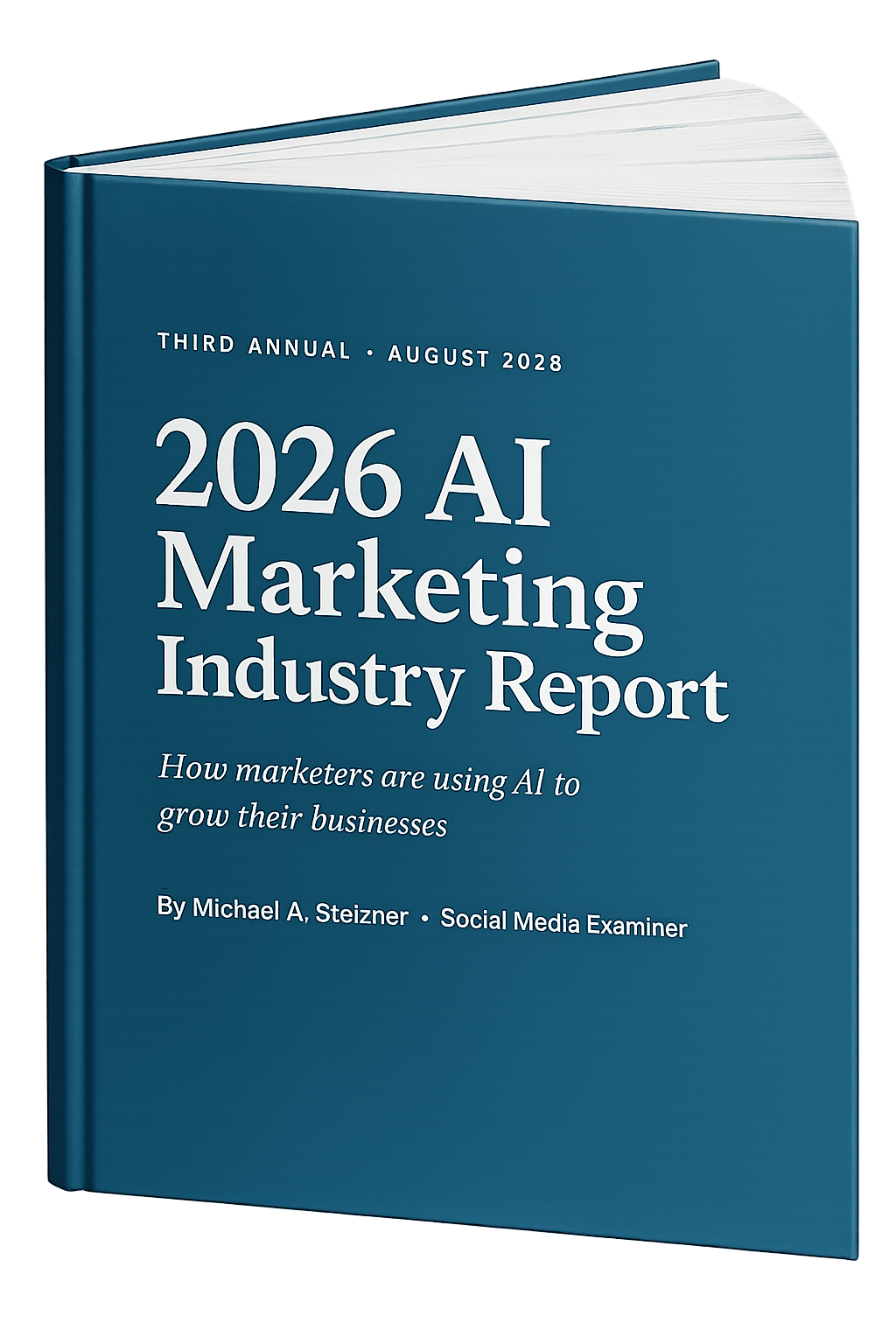
To prevent the need for repetitive prompting, creators must build specialized Claude Skills—reusable, persistent instruction sets and reference documents that Claude automatically pulls from in future conversations.
[Raw Inputs: Voice Journals, Transcripts, Past Posts]
                       │
                       ▼
       ┌───────────────────────────────┐
       │     Claude Project Memory      │
       ├───────────────────────────────┤
       │ • Brand Voice Skill (Trained) │
       │ • Platform Style Skill        │
       └──────────────┬────────────────┘
                      │
                      ▼
[Automated Multi-Platform Drafts]- The Brand Voice Skill: This skill teaches Claude how the creator naturally speaks and writes. Training materials include Zoom/Google Meet transcripts, video files, historical tweets, and essays. Saunders notes that once trained, Claude’s initial drafts achieve an 80% to 85% alignment with the creator’s authentic voice, drastically reducing the friction of a blank page.
- The Platform-Specific Style Skill: Recognizing that a Substack essay demands a different cadence than a Twitter thread or an Instagram caption, this secondary skill maps out platform conventions, ensuring stylistic compliance across diverse digital channels.
- Data Scraper Integration (Apify): To effortlessly gather training data and conduct competitive analysis, advanced operators utilize tools like Apify with Claude’s MCP (Model Context Protocol) connectors. Apify extracts public transcripts, engagement metrics, and historical content from platforms like YouTube and Instagram, feeding structured insights straight into cloud storage for Claude’s ongoing analysis.
Phase 3: The "DraftLoop" Workflow—From Voice Journal to Published Post
The operational heart of Saunders’ methodology is DraftLoop, an automated daily workflow orchestrated across Claude Cowork, Notion, Higgsfield, and HeyGen.
- The Unfiltered Voice Journal: Every day, Saunders records a raw voice memo during a morning walk using Notion’s AI meeting notes feature. Inspired by Julia Cameron’s The Artist’s Way (specifically the "morning pages" concept), this exercise bypasses rigid content structuring. Speaking freely about daily stresses, inspirations, and frustrations captures raw authenticity. Even moments of creative block are leveraged: asking "why?" three times uncovers deep-seated business insights and authentic content angles.
- Automated Processing via Claude Cowork: At 8:00 AM daily, a scheduled Claude Cowork task scans the Notion journal for new entries. Claude extracts key themes, generating a comprehensive Notion dashboard containing tweet drafts, newsletter copy, and carousel quote concepts.
- Human-in-the-Loop Review: At 11:00 AM, the creator reviews the generated assets, selecting standout concepts to push into production. The AI proposes; the human decides.
- Visual and Video Generation: Once text is approved, connected tools take over. Higgsfield (integrated via MCP) generates custom carousel images, mascot animations, and short-form video storyboards directly within the chat interface. Meanwhile, HeyGen generates an AI avatar reading video scripts aloud, serving as a vital rehearsal tool before the creator films the final version.
Supporting Context & Industry Metrics
The transition toward AI-augmented creative direction is not happening in a vacuum. As independent creators and small marketing teams struggle to keep pace with algorithmic demands, industry data reveals a distinct reliance on self-taught experimentation.

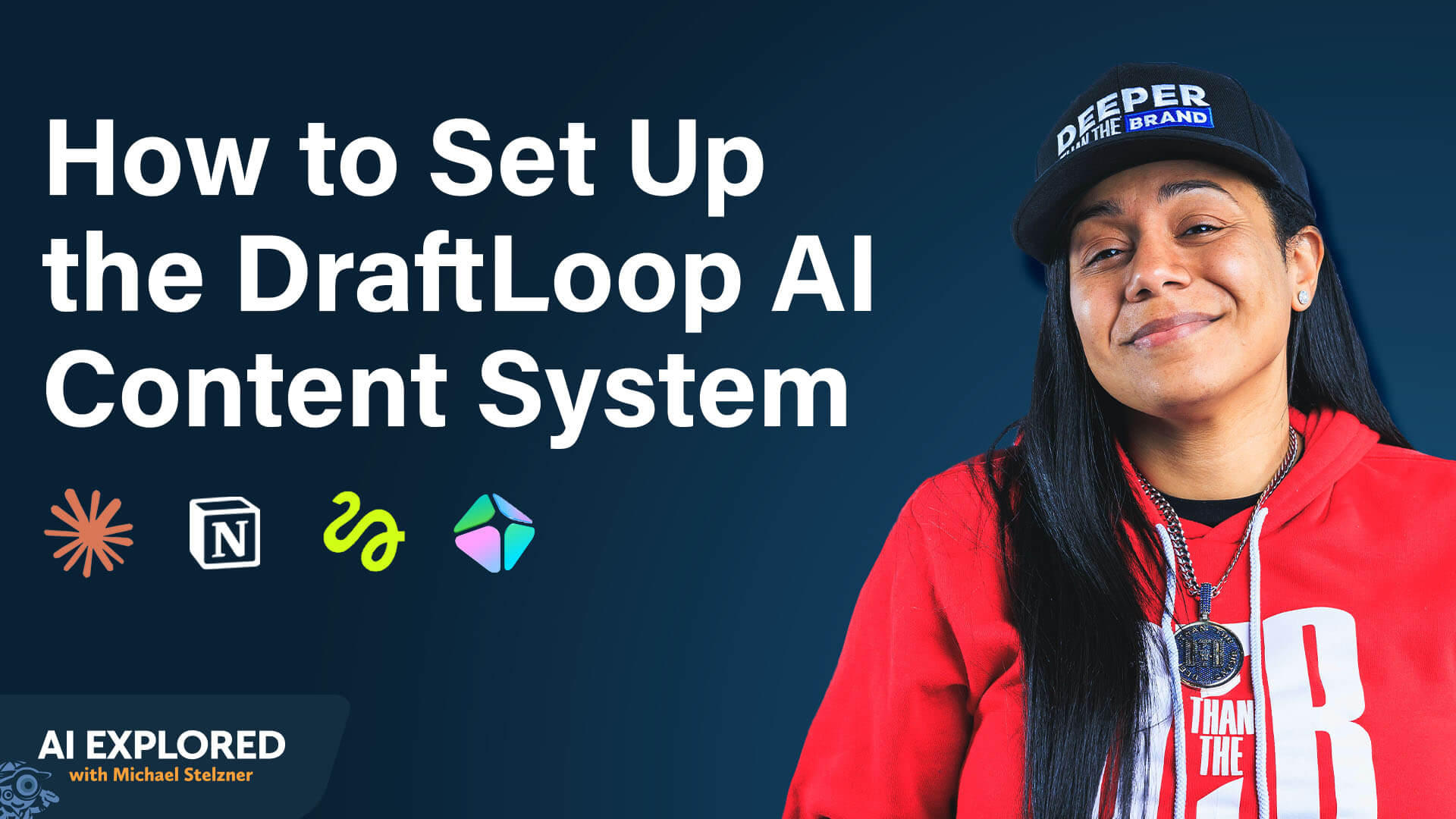
- The DIY AI Landscape: Recent data from the AI Marketing Industry Report—which surveyed 681 marketing professionals—highlights a striking reliance on self-directed education. Approximately 85% of marketers learn artificial intelligence entirely through independent experimentation.
- Corporate Training Deficits: Compounding this DIY trend, only 7% of marketers receive formal corporate training on AI tools, forcing more than half of professionals to spend personal funds on software subscriptions and experimentation.
- The Search for Clarity: Amid a weekly onslaught of new tools, strategies, and methodologies, organizations like the AI Business Society have emerged to provide structured, peer-reviewed frameworks, helping business owners separate high-impact workflows from fleeting technological trends.
Future Outlook: The Intersection of Automation and Human Oversight
As generative architectures like Claude continue to evolve—with advanced iterations such as Claude Fable 5 Low proving exceptionally potent for crafting razor-sharp short-form copy, hooks, and email subject lines—the capabilities of AI creative directors will only expand.
However, industry leaders emphasize that technological advancement must be matched by strict operational boundaries. A critical tenet of the DraftLoop philosophy is that AI should never be granted direct access to publish live content. Automated ideation, drafting, and storyboarding streamline the production pipeline, but final scheduling, compliance checks, and publishing remain firmly under human control.

Furthermore, AI serves as an essential psychological and analytical counterbalance to creative restlessness. Creators frequently grow bored of discussing core topics they have covered repeatedly, yet analytics often prove those exact topics drive the highest audience engagement. By tethering creative impulses to historical engagement metrics, the AI Creative Director anchors content strategies in what genuinely resonates with audiences.
Ultimately, building an AI creative director does not strip humanity from the content creation process. Instead, it acts as a permanent, tireless brainstorming partner that liberates creators from operational drag, ensuring their authentic voice scales effectively across the digital landscape.