In the hyper-saturated digital landscape of the modern internet, millions of creators execute the mechanics of publishing flawlessly. They conduct rigorous keyword research, adhere strictly to on-page Search Engine Optimization (SEO) best practices, publish meticulously structured content, and master complex content management systems. Yet, despite these textbook executions, a staggering percentage of blogs flatline. They fail to generate sustainable engagement, cultivating a revolving door of transient traffic rather than a dedicated community.
The missing variable in this equation is rarely technical; it is psychological and deeply human. That missing element is personality.
Personality acts as the ultimate differentiator in digital publishing. It is the invisible architecture that separates a forgettable, commoditized resource from an unforgettable brand that fosters deep, emotive connections. When readers invest their time in a blog, they are not searching for a faceless Wikipedia article or an AI-generated synthesis of facts—they are seeking a voice, a perspective, and a human bond.
To understand how to successfully infuse authenticity into digital platforms, we must examine the masters of the craft. This report analyzes the strategies employed by ten elite bloggers who have transcended algorithmic dependency by building distinct, highly personalized digital empires. By evaluating their methods—ranging from visual identity and stylistic tone to community psychology—content creators can learn how to convert passive scrollers into passionate brand advocates.
Detailed Chronology: The Evolution of Personal Branding in Digital Publishing
The concept of the "personal blog" has undergone a profound transformation since its inception in the late 1990s and early 2000s. Originally functioning as digital diaries or chronological link-logs, blogs gradually evolved into sophisticated publishing houses and revenue-generating media properties.
Phase 1: The Diary Era (Late 1990s–Mid 2000s)
In the early days of blogging, personality was the default setting. Creators published unfiltered thoughts, daily updates, and personal anecdotes because the medium itself was inherently intimate. However, as the internet commercialized, blogs shifted toward niche authority sites, optimizing heavily for search engine algorithms. In doing so, many creators stripped away their personal voices in favor of corporate neutrality, mistakenly believing that objectivity equaled professionalism.
Phase 2: The SEO and Monetization Boom (Late 2000s–Mid 2010s)
As digital marketing matured, the race for organic search traffic dominated the blogging ecosystem. Keyword stuffing, backlink building, and content scaling took precedence. Blogs began to look interchangeable, built on standardized templates with stock photography and dry, instructional prose. The human element was systematically engineered out of the content in the pursuit of algorithmic dominance.
Phase 3: The Authenticity Economy (Present Day)
With the rise of social media influencers, creator economies, and advancements in automated content generation (AI), the pendulum has swung back dramatically. In an era where anyone can generate a 2,000-word article in seconds using artificial intelligence, human authenticity has become the ultimate scarce commodity. Readers now crave imperfection, distinct viewpoints, and relatable storytelling. Today’s top-performing bloggers do not hide behind corporate facades; they weaponize their individuality to build unshakeable moat-like connections with their audiences.
Data from leading digital publishing studies consistently underscores the commercial value of personal branding. According to recent content marketing benchmarks, content featuring a clear, identifiable personal voice yields significantly higher metrics across key performance indicators (KPIs) compared to faceless, corporate blogs:
Higher Reader Retention: Blogs that prominently feature the creator’s face, personal narrative, and distinct tone experience up to a 40% increase in repeat visitor rates.
Deepened Trust Metrics: Consumers report a 70% higher level of trust in recommendations made by individual creators with transparent identities versus institutional brands.
Lower Bounce Rates: Pages featuring custom illustrations, authentic photography, and tailored brand statements hook user attention within the critical first three seconds of a session, reducing immediate bounce rates.
To operationalize these insights, let us examine how ten top-tier bloggers systematically inject personality into their digital properties.
Case Studies: How 10 Top Bloggers Stand Out
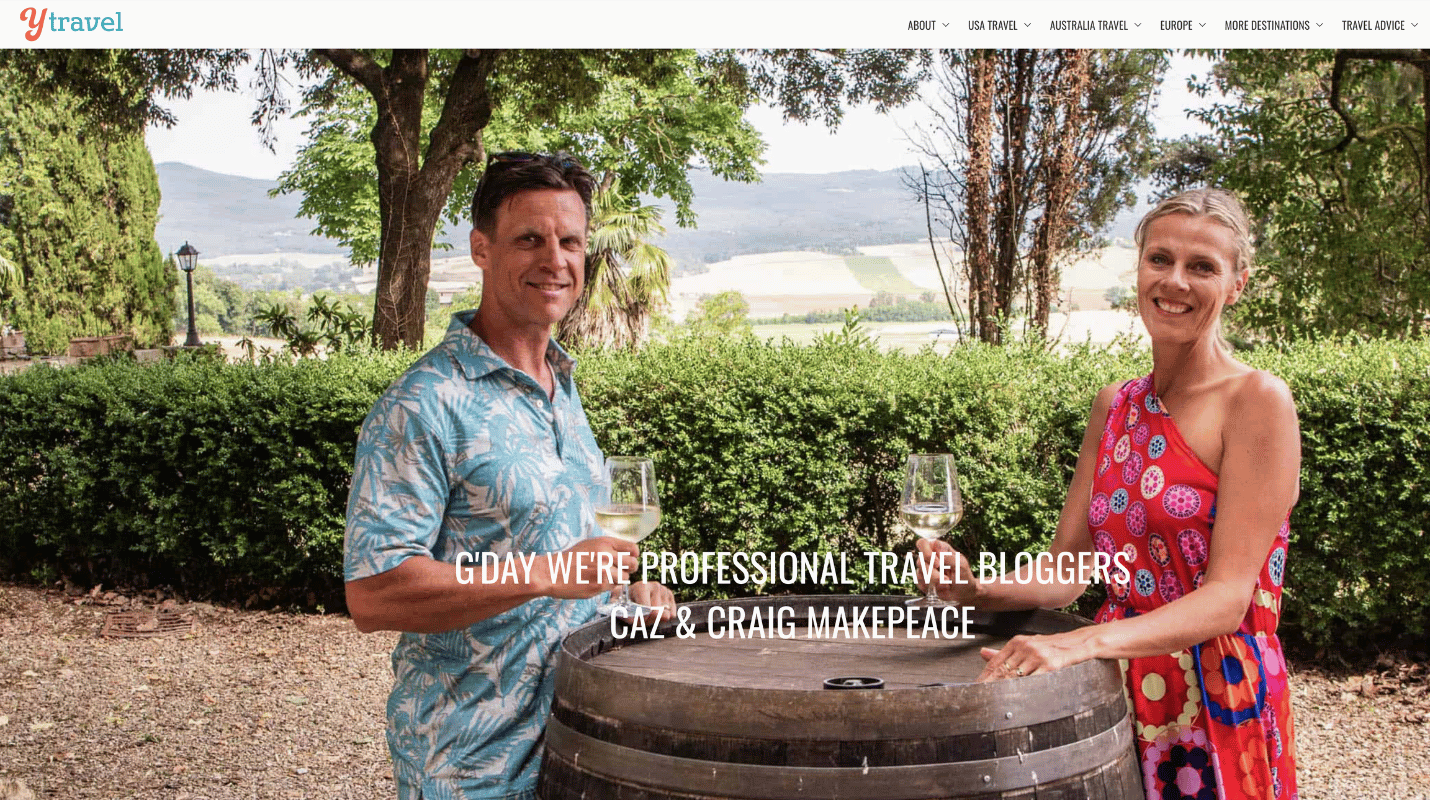
1. Leverage Immersive, Authentic Visuals (Caz and Craig – YTravel)
The Strategy: Certain niches—most notably travel, culinary arts, craft, and fashion—inherently demand visual storytelling. Caz and Craig do not rely on sterile, generic stock imagery of exotic destinations. Instead, they embed vibrant, candid, and smiling family photographs throughout their narrative framework. Whether documenting the chaotic realities of navigating international airports with young children (17 Tips for Flying With Kids to Keep You Calm and Happy) or celebrating major life transitions (Getting Settled in the USA + Where to Next), their imagery anchors the content in real human experience.
Key Takeaway: Let your audience see the lived reality behind the advice. Authentic, unpolished photos of real people bypass the skepticism induced by stock media.
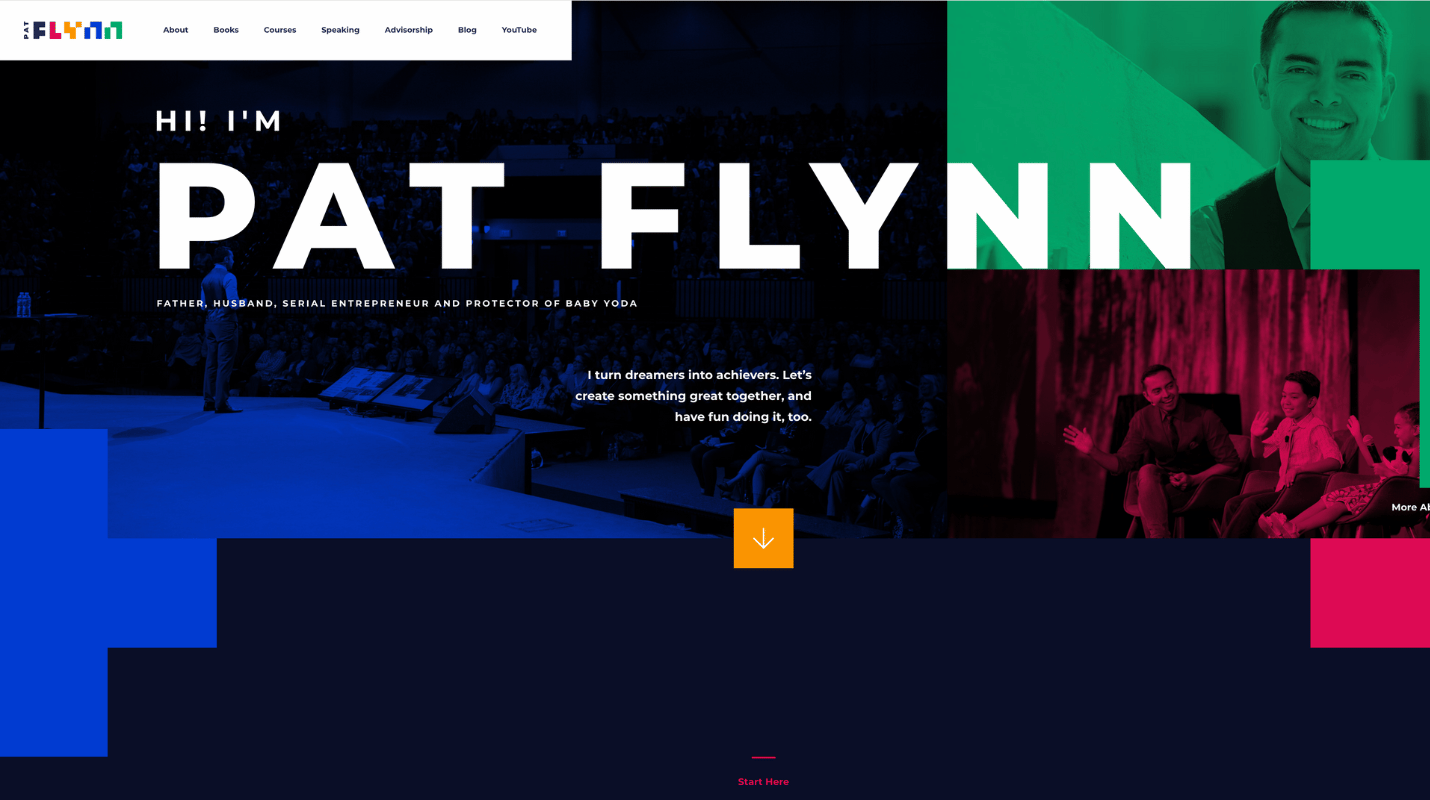
The Strategy: Pat Flynn is a titan in the online business and passive income space, a niche traditionally dominated by rigid financial jargon and suit-and-tie posturing. Upon landing on his platform, visitors are greeted not by dry corporate mission statements, but by large typographic branding, a friendly headshot, and self-identifying descriptors: "father, husband, serial entrepreneur," punctuated by self-aware, quirky humor like "protector of baby yoda."
Key Takeaway: Professionalism does not require the suppression of humor or personal quirks. Highlighting your roles outside of work humanizes your brand.
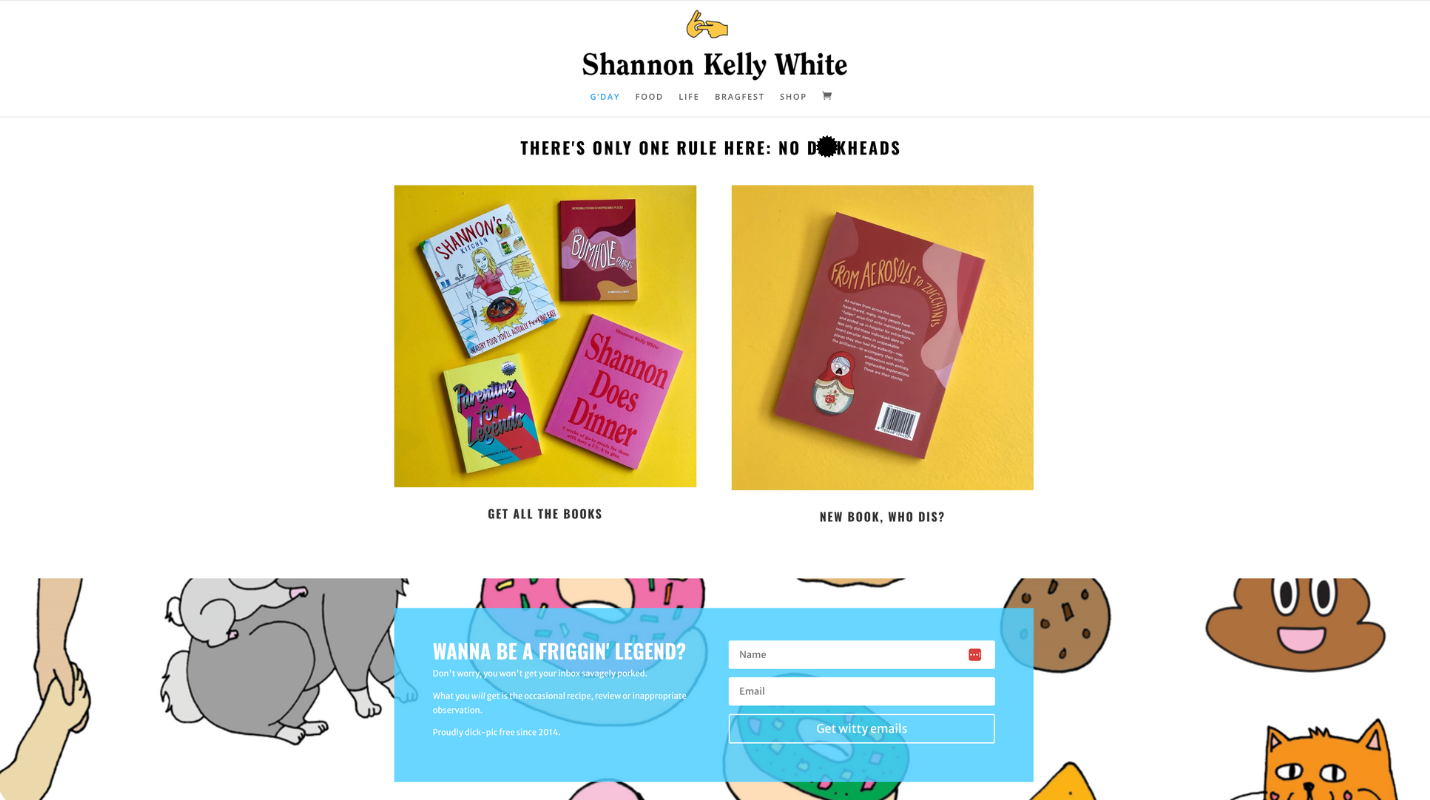
3. Cultivate an Unapologetic, Distinct Tone (Shannon Kelly White)
The Strategy: Language is a powerful filter. Salty, unfiltered language inherently polarizes an audience—some readers are instantly alienated, while others become fiercely loyal advocates. Shannon utilizes frequent, enthusiastic profanity across her entire platform, weaving her authentic voice directly into her taglines and navigation menus.
Key Takeaway: Do not attempt to appeal to everyone. A strong, polarizing voice repels the wrong audience while magnetizing the right one, building deep brand loyalty.
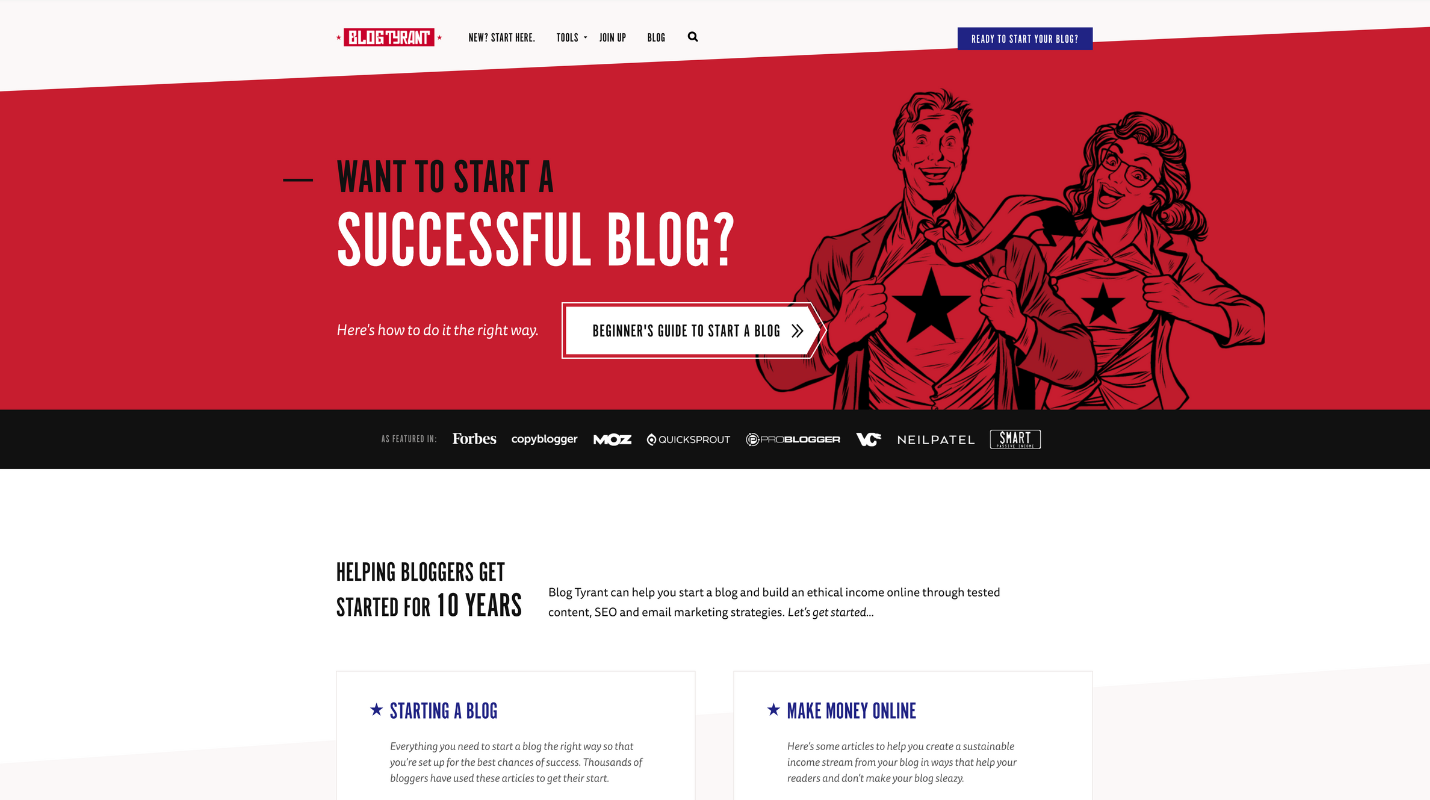
4. Utilize Custom Illustrations for Instant Recognition (Ramsey – Blog Tyrant)
The Strategy: Visual branding extends beyond photography. Ramsey established a unique visual anchor: a red-shirted, caped "blogging superhero" avatar. This bespoke cartoon illustration dominates the homepage banner, recurs across feature images, and brands digital freebies. It creates an instant, memorable mental shorthand for the site.
Key Takeaway: Custom illustrations or mascots create a proprietary visual IP that sets your blog apart from sites relying on standard graphic design templates.
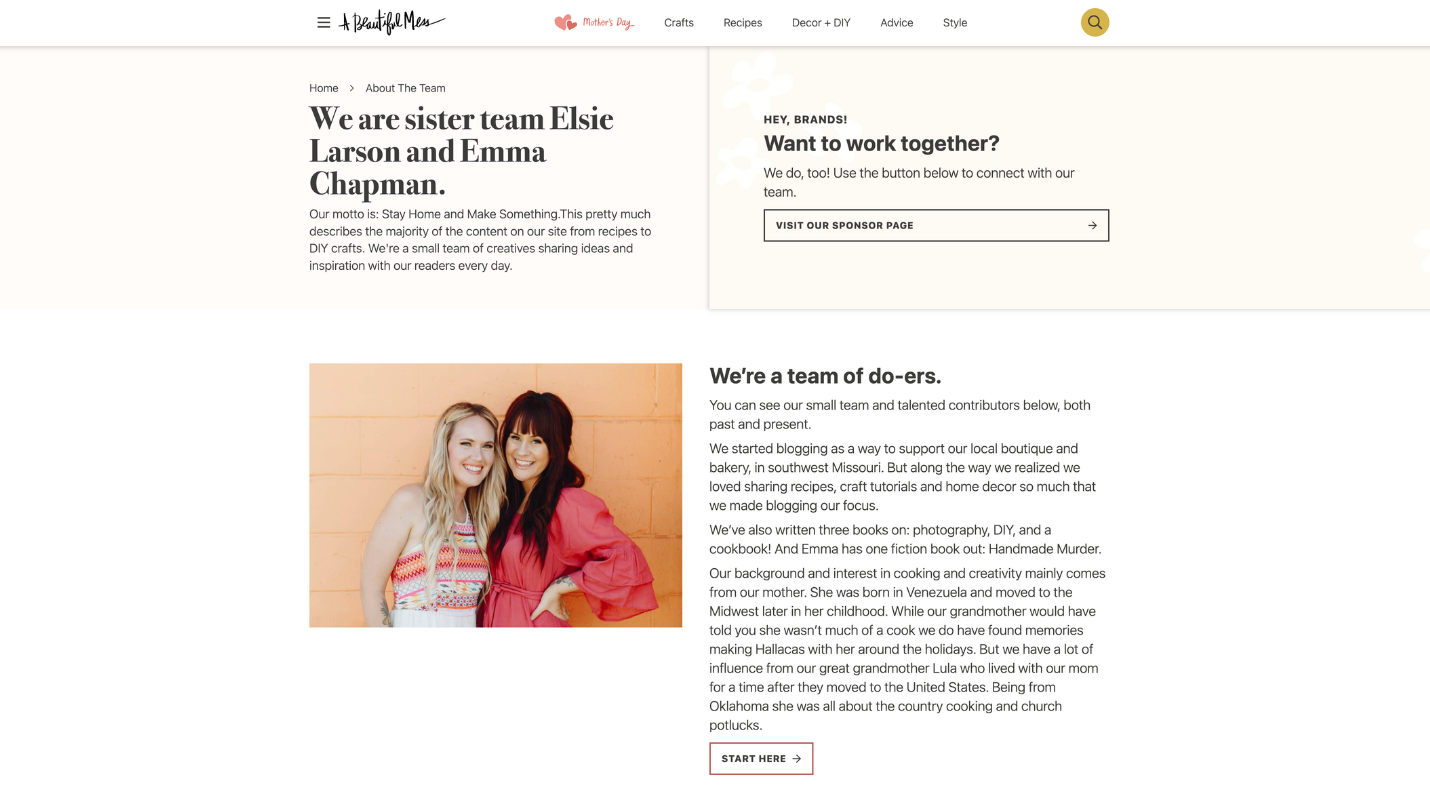
5. Optimize the "About" Page for Human Connection (Elsie and Emma – A Beautiful Mess)
The Strategy: The "About" page is frequently the most-visited secondary landing page on any blog. Sisters Elsie and Emma treat this page as a premier conversion tool, greeting new readers with bold, vibrant photography paired with punchy, conversational introductions that instantly reveal their dynamic.
Key Takeaway: Treat your About page not as an afterthought resume, but as a welcoming handshake that establishes immediate rapport.
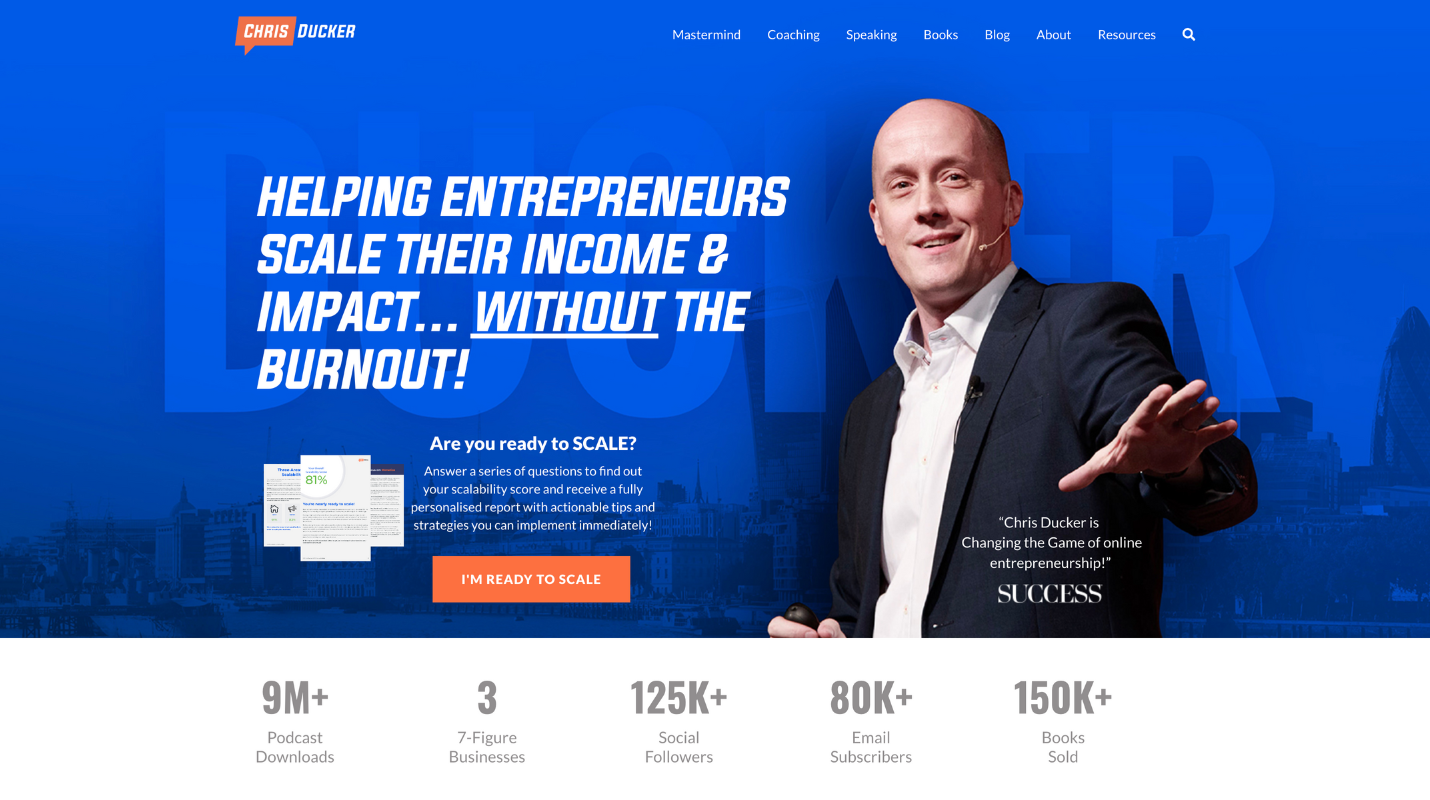
The Strategy: Fragmented branding creates cognitive dissonance. Chris Ducker eliminates this friction by utilizing the exact same high-quality, smiling headshot across his blog post banners, About page, and all major social media channels (Twitter, Facebook, LinkedIn).
Key Takeaway: Visual continuity breeds familiarity. Ensure your primary brand imagery remains consistent across every digital touchpoint.
The Strategy: Jadah’s website leverages an intentional, cohesive color scheme that feels warm, organic, and grounded. Crucially, the color palette of her personal wardrobe in site imagery mirrors the digital design palette, creating an immersive, seamless aesthetic experience.
Key Takeaway: Align your visual branding—down to the clothing you wear in promotional photos—with your site’s overarching color theory.
8. Lead with a Precise Brand Statement (James Schramko – SuperFastBusiness)
The Strategy: James Schramko wastes no time on ambiguous copywriting. The immediate headline on his site functions as a razor-sharp brand statement that explicitly declares his coaching services, the methodology, and—crucially—the exact demographic he serves.
Key Takeaway: Clarity beats cleverness. State precisely who you help and how you help them within three seconds of landing on your site.
9. Combine Clear Taglines with Direct Calls to Action (Kelly Exeter)
The Strategy: Kelly utilizes a fill-in-the-blank formula for her value proposition: "[Your Name] is a [What you do] who helps [Your ideal reader] do [What you offer]." Beyond this clarity, she avoids overly complex multi-tier email funnels, directing readers immediately to clear, low-friction calls to action that tell them exactly where to click to find solutions.
Key Takeaway: Simplify your conversion paths. Tell the reader who you are and give them an immediate, unambiguous next step.
10. Define Your Audience Through Identity (Emily – Puttylike)
The Strategy: Emily coined and popularized the term "Multipotentialite" through her viral TED Talk, building a community around a shared psychological identity. On her blog, she capitalizes on this by integrating a high-conversion interactive quiz ("Are You a Multipotentialite?") right on the homepage, allowing random visitors to instantly define themselves and transition into engaged subscribers.
Key Takeaway: Help your readers categorize themselves. When people find a label that explains who they are, they will fiercely attach themselves to the platform that validates them.
Official Statements and Industry Perspective
Industry leaders and digital publishing strategists increasingly emphasize that algorithmic shifts—such as Google’s Helpful Content updates and the proliferation of AI-generated text—make personal branding a matter of survival rather than mere preference.
"The internet is currently drowning in competence. Anyone can spin up an average article using software. What the market is starved for—and what search engines and human readers are desperately rewarding—is distinct point-of-view, lived experience, and unreplicable human personality."
— Leading Digital Content Strategist
As search engines continuously refine their evaluation metrics to prioritize Experience, Expertise, Authoritativeness, and Trustworthiness (E-E-A-T), displaying a genuine, identifiable human persona behind a website has shifted from an aesthetic choice to an SEO imperative.
Future Outlook: The Next Era of Personalization in Blogging
Looking toward the future of digital publishing, the integration of personal branding will only accelerate. As automated tools commoditize baseline content creation, blogs that survive and thrive will be those that double down on human idiosyncrasies.
Future-proofing a blog requires moving away from anonymous, institutional publishing models. Creators must embrace transparency, visual storytelling, and distinct editorial voices. Whether through custom illustrations, polarizing tones, or community-defining terminology, the blogs that capture long-term attention will be those that treat their platforms not as bulletin boards, but as extensions of their personal identities.
Actionable Next Steps for Content Creators:
Audit Your Visuals: Replace generic stock photography with authentic, high-quality images of yourself or your team.
Refine Your Hook: Update your homepage headline to clearly state who you are, who you help, and what transformation you provide.
Inject Your Voice: Stop writing for an imagined corporate standard. Let your natural vocabulary, humor, or edge bleed into your prose.
Simplify Conversion: Eliminate friction in your subscriber funnels by offering direct, high-value entry points like interactive quizzes or immediate action buttons.
How are you currently showing your personality on your blog? Did any of these strategies resonate with your current publishing model—and what changes will you implement next?