
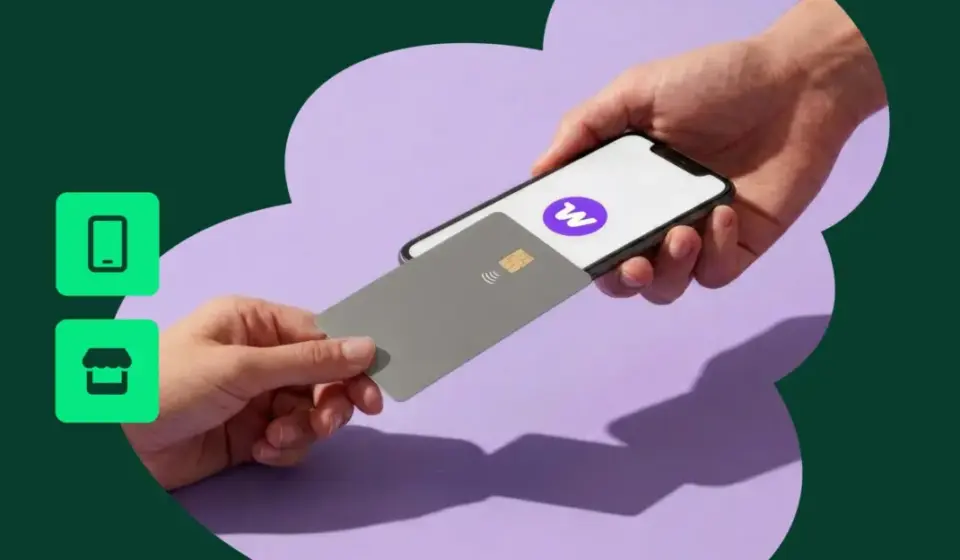
WooCommerce Brings Tap-to-Pay POS to iPhones Across the United Kingdom: A New Era for Omnichannel Retail

Executive Overview
The landscape of modern retail is undergoing a quiet, yet profound revolution. The physical boundary that has long separated online storefronts from brick-and-mortar operations is dissolving, driven by consumer demand for seamless shopping experiences and merchant desires for operational efficiency. In a significant development for the global e-commerce ecosystem, WooCommerce has officially announced the expansion of its Point of Sale (POS) solution to iPhones for merchants based in the United Kingdom.
This release bridges the gap between digital catalogs and physical sales environments. UK-based store owners can now leverage the hardware they already carry in their pockets—an iPhone—to browse product catalogs, build digital carts, and accept secure payments on the go. By integrating native Apple technologies like Tap to Pay on iPhone, WooCommerce is eliminating the traditional barriers to entry for mobile commerce. Merchants no longer need to invest in bulky, expensive hardware terminals or juggle disparate software systems to reconcile their online and offline inventories.
With instantaneous synchronization back to the central WooCommerce store, every transaction—whether a cash sale at a pop-up market, a card payment taken via a WisePad 3 reader, or a contactless tap directly on the iPhone screen—is immediately reflected in real-time inventory and sales metrics. This launch represents not merely a feature update, but a strategic alignment with the future of micro-retail, pop-up shops, market vendors, and established omnichannel brands operating within the UK market.
Detailed Chronology: The Evolution Toward Mobile-First Retail
To understand the weight of this UK rollout, it is essential to trace the trajectory of how mobile point-of-sale systems have evolved within the WooCommerce ecosystem and the broader software industry.
The Fragmented Past of Hybrid Commerce
For years, store owners running their digital storefronts on WordPress and WooCommerce faced a persistent operational friction point: bridging the online-offline divide. While managing website inventory, orders, and customer data from a centralized dashboard was straightforward, taking that store into the physical world—such as at a weekend craft fair, a pop-up boutique, or a temporary exhibition—required cumbersome workarounds.
Merchants typically had to rely on third-party plugins of varying quality, each with its own subscription fees, syncing delays, and hardware dependencies. These setups often resulted in inventory discrepancies, where an item sold physically would still appear as available online, leading to overselling and customer dissatisfaction. Alternatively, merchants were forced to use completely separate POS hardware ecosystems that did not natively communicate with their WordPress backend, requiring tedious manual end-of-day data reconciliation.
The Rise of Integrated Mobile Solutions
Recognizing these pain points, Automattic and the WooCommerce engineering teams initiated a concerted push toward unifying the merchant experience. The goal was simple: transform the merchant’s mobile device into an extension of their digital store.
The groundwork was laid through continuous improvements to the core WooCommerce mobile application, turning it from a passive notification and order-tracking tool into an active management hub. Over successive development cycles, features were added to allow basic product management, order creation, and customer communication directly from iOS and Android devices.
However, the missing link remained the physical checkout process. The introduction of card reader integrations marked a major step forward, but merchants still had to carry peripheral hardware. The true game-changer arrived with advancements in near-field communication (NFC) software development kits and Apple’s opening of its secure element to third-party developers via Tap to Pay on iPhone.
The UK Launch: A Strategic Milestone
The decision to debut the iPhone POS experience in the United Kingdom is far from arbitrary. The UK represents one of the most digitally mature and contactless-dominant retail economies in the world. Cash usage has plummeted over the past decade, with consumers routinely expecting to pay via smartphone, smartwatch, or contactless card for everything from a cup of coffee to high-end apparel.
By targeting UK-based merchants running iOS 26 or later, WooCommerce is tapping into an existing consumer base that readily embraces frictionless transactions. The deployment has been engineered for immediate utility: merchants simply update their WooCommerce app, navigate to the newly minted POS tab, and watch as their existing product catalog automatically populates on their iPhone screen. Backed by robust payment gateways like WooPayments and Stripe, the infrastructure is built to handle high-volume enterprise demands as securely as it handles a solo artisan’s weekend sales.
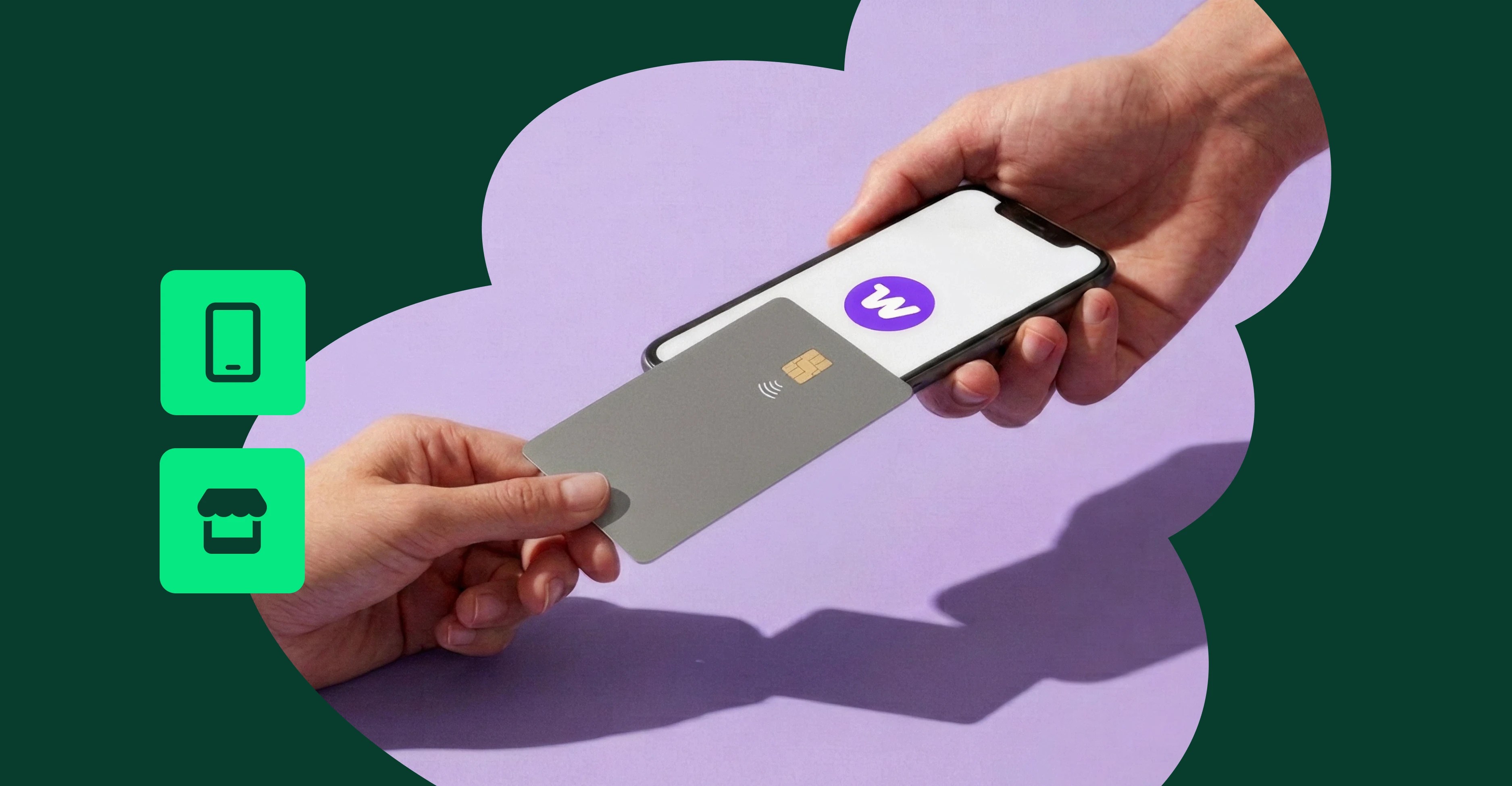
Supporting Context & Metrics: The Shift to Contactless and Mobile POS
To fully appreciate the commercial impact of WooCommerce’s latest offering, one must examine the broader economic and technological metrics shaping the modern retail landscape.
The Dominance of Contactless Payments in the UK
The United Kingdom has long served as a global testing ground for payment innovations. According to data from UK Finance and various retail research bodies, contactless payments account for the vast majority of in-person card transactions. Consumers have fundamentally shifted away from traditional magnetic stripe and chip-and-PIN methods in favor of speed and convenience.
- Contactless Penetration: Over 90% of all in-person card transactions in the UK are now contactless.
- The Rise of Mobile Wallets: Apple Pay and Google Pay adoption rates among British consumers are among the highest in Europe, making phone-to-phone and phone-to-card transactions an expected standard rather than a novelty.
- Micro-Merchant Growth: The post-pandemic economy has seen an explosion in side hustles, micro-businesses, independent creators, and mobile service providers. These businesses require lightweight, low-overhead tools that scale dynamically with their operations.
Eliminating Hardware Overhead
Traditional point-of-sale setups traditionally impose a heavy financial burden on small-to-medium enterprises (SMEs). A standard retail POS package often includes:
- A dedicated tablet or terminal (e.g., iPad or proprietary hardware).
- A separate card reader machine with monthly rental or high upfront purchase costs.
- Cash drawers, receipt printers, and complex cabling.
- Proprietary software licenses that eat into profit margins.
By stripping away the need for dedicated hardware terminals through Tap to Pay on iPhone, WooCommerce is slashing the capital expenditure required to launch a physical retail presence. A merchant already utilizing an iPhone for personal or business communication now possesses a fully certified, enterprise-grade payment terminal in their pocket.
The Power of Real-Time Data Synchronization
Inventory accuracy is the lifeblood of e-commerce. When a physical sale occurs, the underlying database must update instantaneously to prevent stockouts. The architectural strength of the new WooCommerce iPhone POS lies in its cloud-native synchronization.
When a sale is finalized—whether completed via a contactless tap, a WisePad 3 card reader, or traditional cash—the transaction details are piped instantly through the WooCommerce API to the store’s central database. This ensures that:
- Inventory counts are automatically depleted across both online and offline channels.
- Sales analytics and financial reports reflect up-to-the-minute revenue data.
- Customer purchase histories are unified, allowing merchants to build richer customer relationship management (CRM) profiles.
Official Statements and Architectural Insights
Behind every major software release is a team of engineers, product managers, and designers striving to make complex underlying technologies feel effortless to the end user. Gabriel Maldonado, a Spain-based iOS developer at Automattic, has been instrumental in bringing this vision to life.
Engineering for Simplicity
Developing an application that interfaces seamlessly with Apple’s secure hardware APIs while maintaining the flexibility of an open-source e-commerce platform is no small feat. Maldonado, whose career has been anchored in C# and Swift development, approaches code with a focus on reliability and user-centric design.
In discussions surrounding the development of the WooCommerce iOS application, Automattic engineers have emphasized the importance of minimizing friction. Retail environments are inherently fast-paced; a merchant dealing with a queue of impatient customers cannot afford to wait for sluggish software to load or troubleshoot synchronization errors.
"The goal was to remove every unnecessary tap, load screen, and hardware requirement between the merchant and the sale," engineering notes indicate. By leveraging the native capabilities of modern iOS devices, the development team has ensured that product catalogs comprising thousands of items load dynamically and smoothly within the app interface.
The Ecosystem Integration: WooPayments and Stripe
A point-of-sale system is only as reliable as its payment processing backbone. For UK merchants utilizing the new iPhone POS, WooCommerce has integrated deep support through WooPayments and Stripe.

This integration guarantees that transactions are not only fast but also fully compliant with stringent UK and European financial regulations, including Strong Customer Authentication (SCA) mandates. Security is handled at the hardware level through Apple’s Secure Enclave, ensuring that sensitive payment card data is never stored on the device or accessible to the merchant or third-party applications. This robust security architecture provides peace of mind for both the business owner and the end consumer.
Future Outlook: What This Means for the Future of Retail
The launch of WooCommerce POS on iPhone in the United Kingdom is a significant milestone, but it also serves as a window into the future of global retail technology. As we look ahead, several key trends and potential developments emerge from this release.
Expansion to Global Markets
While the initial rollout has been strategically targeted at UK-based merchants running iOS 26 or later, the technological framework established here paves the way for broader international expansion. Countries with high contactless adoption rates and regulatory environments that support Tap to Pay on iPhone are prime candidates for subsequent rollouts. As Apple continues to roll out tap-to-pay capabilities across new territories, WooCommerce is uniquely positioned to scale its mobile POS offering globally.
The Blur Between Online and Offline Commerce
The traditional distinction between "e-commerce" and "brick-and-mortar retail" is rapidly becoming obsolete. Consumers do not view a brand through separate digital and physical lenses; to the modern shopper, a brand is a singular entity.
Tools like WooCommerce iPhone POS empower small, independent retailers to deliver the kind of sophisticated omnichannel experiences previously reserved for major enterprise chains. A customer who discovers a brand online can now walk into a pop-up shop, interact with a merchant holding an iPhone, purchase an item with a simple tap of their phone, and have their receipt emailed to them—all while the merchant’s backend inventory adjusts instantly.
The Rise of the Decentralized Merchant
As remote work, side hustles, and mobile entrepreneurship continue to grow, the infrastructure supporting business owners must become equally mobile. The days of being chained to a fixed cash register or a desktop computer are fading. By turning everyday consumer hardware into powerful business tools, platforms like WooCommerce are democratizing commerce.
Whether operating a food truck in London, a fashion boutique in Edinburgh, or selling handmade crafts at a market in Manchester, merchants now possess enterprise-grade retail technology right in their pockets. As software continues to evolve, the boundary between what is possible on a desktop computer and what can be achieved on a mobile device will continue to shrink, opening up unprecedented levels of freedom and flexibility for modern entrepreneurs.
Getting Started: A Quick Guide for UK Merchants
For store owners looking to take advantage of this new capability, getting started requires just a few straightforward steps:
- Verify System Requirements: Ensure your business is based in the United Kingdom and that your mobile device is an iPhone running iOS 26 or later.
- Update the App: Download or update to the latest version of the WooCommerce mobile app from the App Store.
- Configure Payments: Ensure your store is connected to WooPayments or Stripe to facilitate secure card transactions.
- Launch POS: Open the app, tap the new POS tab, and your existing product catalog will load automatically, ready for action.
For further assistance, merchants can access the official WooCommerce POS app download and consult the comprehensive WooCommerce POS documentation for deep dives into hardware pairing, cash management, and inventory configuration.