
The AI Paradigm Shift in B2B Sales: How a Single Workflow Closed a $12K Digital Services Deal

Executive Overview
For decades, the B2B sales playbook has remained fundamentally unchanged: prospect discovers a problem, vendor initiates contact, discovery calls are scheduled, pitches are delivered, proposals are drafted, and—if fortune favors the sales rep—a contract is eventually signed. This traditional framework relies heavily on persuasion, speculative mockups, and the exhausting psychological dance of convincing a skeptical buyer to take a leap of faith.
Today, that paradigm is collapsing.
According to AI consultant and strategist Etan Polinger, artificial intelligence has made it possible to entirely invert the traditional sales dynamic. Instead of showing up to a first meeting with a slide deck, a handful of case studies, and a pocket full of promises, forward-thinking service providers can now walk into an initial consultation with a fully functional, custom-branded prototype of the exact solution the prospect is requesting.
By leveraging advanced large language models (LLMs), deep-research frameworks, and modern coding environments, a single operator can accomplish in under four hours what previously required a cross-functional agency team weeks to develop. The psychological impact on the prospect is profound: rather than the vendor sweating through a pitch hoping to win business, the dynamic flips entirely. The buyer is suddenly confronted with tangible proof of capability, shifting their primary anxiety from "Will this person deliver?" to "Do they even have the bandwidth to take us on?"
This article investigates the mechanics of this high-leverage AI workflow, exploring the step-by-step methodology Polinger used to secure a $12,000 digital marketing contract during a first meeting—and examining how this approach signals a permanent evolution in how digital services and assets are sold.
Detailed Chronology of the $12K Deal
To understand how artificial intelligence can collapse a multi-week sales cycle into a single meeting, one must examine the operational timeline of the engagement. The transaction did not originate from a traditional cold-outreach campaign or an expensive paid-ads funnel; rather, it was born out of proactive digital listening and rapid technological execution.
Phase 1: The Incubation and Identification
The process began organically within a private digital community. Polinger, maintaining an active presence within the network, monitored community boards where peers, founders, and digital marketers frequently post operational bottlenecks and technical requirements.
Amid the digital chatter, a prospect posted a request for a specialized digital asset: a custom chat widget designed to resolve a specific user-engagement friction point on their platform. In traditional sales environments, this would typically trigger a defensive sequence of qualification emails, calendar scheduling links, and preliminary discovery calls designed to assess budget and timeline before any real work begins.
Polinger bypassed this bureaucratic friction entirely with a simple, high-confidence intervention: "I think I can help."
Phase 2: Accelerated Research and Asset Generation
Rather than scheduling a chat to ask questions about the prospect’s tech stack or brand guidelines, Polinger immediately initiated a high-intensity, AI-driven preparation workflow. Operating under the philosophy that unpaid upfront preparation is no longer a liability when accelerated by machine intelligence, he dedicated less than four hours to a multi-tiered execution phase:
- Intent Extraction: He isolated the core business outcome the prospect desired, stripping away technical jargon to focus purely on the functional result.
- Contextual Profiling: He executed automated deep-research passes to map the prospect’s personal public footprint, corporate business model, and competitive landscape.
- Brand Extraction & Styling: Using automated tools and design-focused LLMs, he harvested the prospect’s exact visual identity—including hex codes and typography—and spun up a functional style guide.
- Prototyping: Utilizing modern AI coding assistants, he built a working, interactive prototype of the requested widget styled precisely to match the prospect’s existing web properties.
Phase 3: The First Meeting and Paradigm Inversion
When Polinger logged into the video conference for the initial introductory meeting, he did not present a blank canvas or a theoretical roadmap. Instead, he shared his screen and launched a fully functioning, custom-branded prototype built explicitly for the prospect’s web ecosystem, embedded directly within a tailored proposal deck.
The psychological impact was instantaneous. The traditional power dynamic—where the vendor occupies the supplicant role—evaporated. Confronted with a finished digital asset that solved their exact operational headache before a contract was even signed, the prospect did not raise objections regarding pricing or methodology. Instead, they grew visibly anxious about whether Polinger’s firm possessed the operational bandwidth to onboard them.
The deal closed on the spot, crystallizing a $12,000 engagement in a single meeting through the undeniable leverage of upfront value creation.
The Four-Step AI Sales Workflow
Replicating this level of sales acceleration requires a disciplined, repeatable operational framework. Polinger breaks down the methodology into four distinct execution stages, transforming AI from a passive brainstorming partner into an active, high-performance business development engine.

Step 1: Understand the Prospect’s Core Ask
The foundational error most service providers make during initial prospect inquiries is getting immediately bogged down in the technical architecture. Prospects rarely care whether a solution is coded in Python, JavaScript, or built on a low-code infrastructure; they care exclusively about the business outcome.
When a prospect submits an inquiry, posts a request in a forum, or participates in a discovery call, Polinger recommends capturing the raw text—be it a message string, an email thread, or a live meeting transcript—and feeding it directly into an LLM with a highly targeted prompt:
“I just saw this message. What do they want? Answer in one sentence that anyone can understand.”
By forcing the AI to distill the request into a singular, outcome-oriented objective, the sales professional gains immediate clarity on whether they possess the capability to deliver. Once the primary outcome is confirmed, the engagement transitions from speculative exploration to concrete execution planning.
Step 2: Execute Deep Research on Person, Company, and Market
With the objective defined, the next phase requires comprehensive contextual profiling. Splitting research into three distinct, highly focused operational passes ensures that the AI model’s computational depth is fully concentrated on one category at a time, yielding granular insights that surface hidden leverage points.
- Profiling the Person: Understanding the individual behind the inquiry dictates how the eventual deliverable will be framed. Polinger leverages deep-research tools to analyze podcast transcripts, YouTube appearances, and public social media posts. Analyzing how a decision-maker speaks, what language they use, and what professional anxieties they voice provides a behavioral blueprint for the sales presentation.
- Profiling the Company: Analyzing the corporate entity involves examining its business model, market positioning, and explicit operational goals. While enterprise organizations offer massive data footprints, smaller local businesses require cross-referencing whatever digital signals exist. For cold outreach scenarios where a prospect has not explicitly stated their needs, Polinger advises running open job postings through AI models; active hiring campaigns lay bare a company’s immediate strategic initiatives long before public announcements are made.
- Profiling the Market & Opportunity: Mapping alternative solutions and current market sentiment provides an essential strategic safety net. By understanding what competitors offer, the vendor ensures they are never cornered into an all-or-nothing custom build. If a prospect hesitates at the cost of a bespoke software solution, the vendor can pivot instantly: "No problem, I can configure and deploy an existing out-of-the-box platform for you instead at [adjusted cost]."
Step 3: Engineer a Working Style Guide
The differentiator between a standard sales pitch and a transformative presentation is tactile reality—something the prospect can see, touch, and interact with immediately. To achieve this without employing a dedicated design team, Polinger utilizes browser extensions and modern design-centric AI architectures.
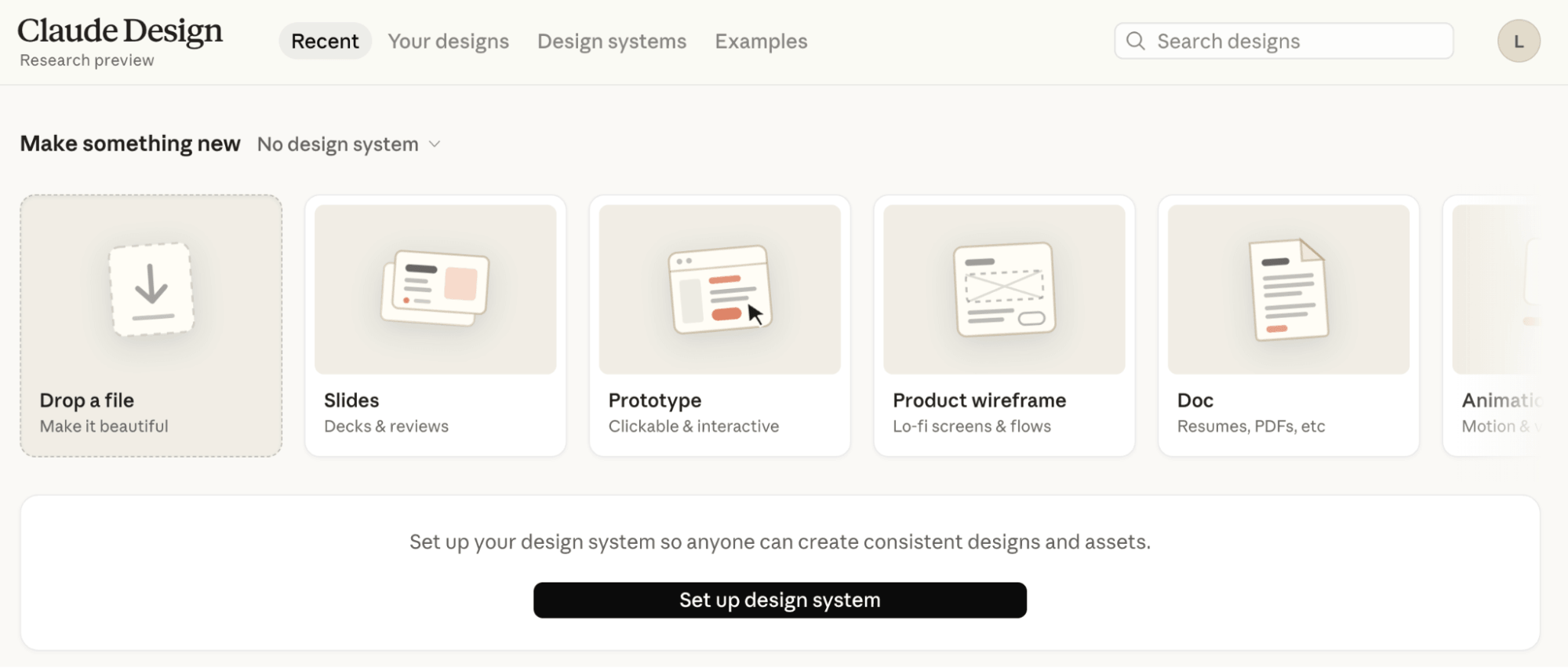
Using tools like WhatFont and ColorZilla, sales professionals can instantly extract the exact typography, hex codes, and visual assets from a prospect’s existing digital footprint. Alternatively, modern multimodal AI tools like Claude Design can ingest screenshots of a prospect’s website and autonomously deduce the complete color palette and visual style guide.

Once processed, the AI generates a structured folder of code snippets encompassing UI and UX elements—headers, footers, interactive buttons, and data visualizations—all matched precisely to the prospect’s brand guidelines. This establishes a professional polish that often surpasses the aesthetic quality of the prospect’s internal marketing materials.
Step 4: Build the Functional Prototype and Presentation Deck
The culmination of the workflow bridges technical execution with traditional presentation storytelling. Because the AI-generated style guide exists as a portable code directory, it serves as the foundational architecture for rapid application development.
- Vibe Coding the Prototype: By dropping the style folder into modern AI-assisted coding environments such as Claude Code or Replit, operators can use natural language prompts to construct functional software assets:
“Build a chat widget that uses these exact brand buttons and styling rules.”
This approach—often termed "vibe coding"—empowers non-technical marketers and consultants to direct artificial intelligence toward building fully operational software tools without writing a single line of traditional code manually. - Constructing the Tailored Proposal Deck: With the functional prototype operational, the final step involves pointing tools like ChatGPT or Gemini toward the previously gathered deep market research data to generate a customized proposal presentation. Screenshots of the newly minted, custom-branded AI widget are embedded directly into the slide deck, providing undeniable visual evidence of execution capability before contract signing.
Supporting Context & Metrics: The Economics of Upfront Value
To fully appreciate the disruption this workflow represents, one must examine the fundamental economics of traditional B2B sales versus AI-augmented acquisition models.
Historically, the ratio of input effort to output conversion in digital marketing and tech services followed a conservative curve. Sales teams guarded their billable hours fiercely, refusing to perform uncompensated technical labor prior to executing a formal Statement of Work (SOW) or receiving a retainer deposit. This risk-aversion was entirely rational: spending 20 to 40 hours building a custom prototype for a prospective client who might ultimately ghost the vendor represented a devastating waste of agency resources.
Artificial intelligence has compressed the cost of custom asset creation by an order of magnitude. What once demanded a coordinated sprint by copywriters, UI/UX designers, front-end developers, and account executives can now be executed by a single individual in under four hours.
| Metric / Parameter | Traditional Sales Model | AI-Accelerated Workflow |
|---|---|---|
| Preparation Time | 15–30 hours (Across multiple team members) | Under 4 hours (Single operator) |
| Deliverable Type | Slide deck, theoretical roadmap, case studies | Functional software prototype, branded style guide, tailored deck |
| Prospect Psychology | Skeptical, evaluating risk, holding negotiating leverage | Anxious about vendor bandwidth, eager to secure partnership |
| Close Rate | Industry average (Typically 20%–30% at proposal stage) | Dramatically elevated (High-intent, qualified conversions) |
| Power Dynamic | Vendor pitches; buyer evaluates | Vendor demonstrates reality; buyer secures access |
By shifting the investment curve downward while simultaneously elevating the quality of the upfront deliverable, service providers are no longer forced into a volume-based sales strategy. Instead, they can selectively target high-value accounts, deploy tailored prototypes, and maintain absolute pricing power.
Official Insights & Strategic Commentary
The integration of generative AI into high-stakes B2B sales cycles marks a philosophical shift in how trust is established between vendor and buyer. In traditional sales training, sales professionals are taught to build rapport through active listening, discovery questioning, and emotional intelligence. While human connection remains paramount, Etan Polinger argues that modern buyers suffer from "pitch fatigue."
In an era where every digital agency and software consultant makes identical promises of ROI, efficiency, and scale, verbal assurances hold zero differential value. Trust has become an empirical commodity.
By arriving at a first meeting with a working, custom-built application tailored to the prospect’s distinct branding, the service provider short-circuits the traditional skepticism cycle. The conversation instantly pivots from a debate over whether the vendor is competent to a discussion regarding when deployment can begin and how capacity can be scaled.
Furthermore, this methodology redefines the concept of qualification. Rather than using lengthy questionnaires to qualify prospects, the vendor qualifies themselves through overwhelming competence, effectively transferring the burden of proof off their own shoulders and placing the onus of securing partnership onto the client.
Future Outlook: The Evolution of Sales Engineering
As generative AI tooling, autonomous coding environments, and deep-research agents continue to advance at an exponential rate, the workflow pioneered in this $12,000 engagement will transition from an innovative outlier to an industry-standard baseline.
Several key developments will shape the immediate future of AI-augmented sales:
- Autonomous Real-Time Prototyping: Future sales interactions will likely integrate real-time AI code generation directly into live video conferences. Sales engineers will be able to take live feedback from a prospect during a Zoom call, execute a natural language prompt, and display a modified, fully functional software iteration before the meeting concludes.
- Hyper-Personalization at Scale: The manual friction of scraping public profiles and corporate data will be fully automated by persistent AI agents that continuously monitor target account lists, automatically generating tailored prototypes and style guides the moment a prospect exhibits buying intent or posts an operational query online.
- The Democratization of Enterprise Sales: Independent consultants and boutique agencies will increasingly possess the technical leverage to compete directly against massive, legacy enterprise firms, winning high-ticket contracts purely on the speed, elegance, and tangible proof of their initial digital presentations.
Ultimately, the future of sales does not belong to the most persuasive speaker or the agency with the slickest pitch deck. It belongs to the operator who can operationalize artificial intelligence to prove their value before a single dollar changes hands—turning the sales pitch from an abstract promise into an undeniable, living reality.